Gochujang is one of the cornerstone ingredients of Korean cooking, prized for its deep savory flavor and gentle, lingering heat. Sambal oelek, a traditional chili paste from Indonesia and Malaysia, has become widely popular outside Southeast Asia as a fresher, brighter, and spicier alternative to sauces like sriracha.
While both are chili pastes designed to add heat and flavor, they behave very differently in recipes. Understanding how their textures, flavors, and heat levels compare will help you decide when one can stand in for the other and when it really should not.

Last update on 2026-03-12. We earn a commission if you make a purchase, at no additional cost to you.
How Does Gochujang Differ From Sambal Oelek?
Texture and consistency
One of the most noticeable differences is consistency.
Gochujang is thick and sticky, similar in texture to tomato paste or miso. This thickness comes from ingredients like fermented rice, soybeans, and sometimes barley, which break down during fermentation and create a dense, cohesive paste.
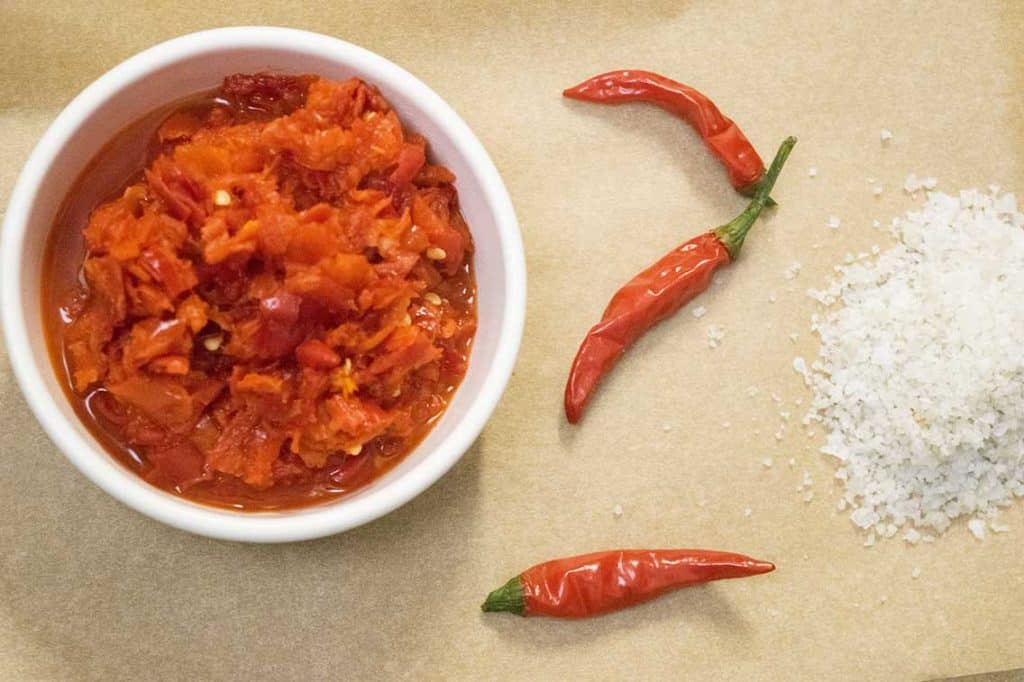
Sambal oelek, by contrast, is much looser. It resembles crushed or stewed chili peppers rather than a true paste. Most versions contain little more than fresh red chilies, vinegar, and salt. Some commercial versions may include a stabilizer, but starch is not typical. Because it is made primarily from raw chilies, sambal oelek contains more moisture and spreads easily.
This difference alone can significantly affect sauces, marinades, and glazes.

Flavor profile and aroma
Flavor is where these two chili pastes diverge the most.
Gochujang is fermented, and that fermentation defines its character. It delivers a complex mix of mild sweetness, tangy acidity, and deep umami. The fermentation process enhances savory notes and gives gochujang its signature funk, which plays well with grilled meats, rice dishes, and stews.
Sambal oelek is not fermented. Its flavor is much cleaner and more direct, focusing on the taste of fresh chili peppers. It has a sharp brightness from vinegar and salt, with very little sweetness and virtually no umami. The aroma is fresher and more vegetal compared to gochujang’s deeper, aged scent.
Heat level
Both pastes are moderately spicy, but sambal oelek usually delivers more heat.
Gochujang tends to fall on the mild-to-medium side of the heat spectrum. While Korean chili peppers are not mild, the rice, soy, and fermentation dilute the capsaicin and soften the burn. The heat is slow-building and balanced rather than aggressive.
Sambal oelek is hotter in most cases. Since it is made almost entirely from chilies, the heat is more immediate and direct. It is still not an extreme chili paste, but it usually packs more punch than gochujang.
Can They Substitute For One Another?
Yes, but with adjustments.
Both pastes rely on red chili peppers as their foundation, and both are used to deliver heat-forward flavor. Visually and functionally, they are similar enough that substitution is possible, though rarely perfect.
Using gochujang instead of sambal oelek
Because gochujang is thicker and sweeter, it often needs to be thinned and balanced. Adding water, rice vinegar, or a splash of lime juice can help loosen the texture and brighten the flavor. You may also want to add extra chili flakes or a pinch of cayenne to boost the heat.
Be aware that gochujang’s fermentation and sweetness will noticeably change the final flavor of the dish.
Using sambal oelek instead of gochujang
Sambal oelek’s thin texture and sharper heat can be more challenging. To better mimic gochujang, you can:
- Add rice flour or cornstarch to thicken it
- Stir in a small amount of sugar or honey to introduce sweetness
- Add a dash of soy sauce or miso to bring in umami
Rice flour is especially effective, since rice is a major contributor to gochujang’s body and mildness.
Best Use Cases For Each
Use gochujang when:
- You want depth, sweetness, and umami along with heat
- Making Korean dishes like bibimbap, tteokbokki, or bulgogi marinades
- You need a chili paste that works as a dipping sauce or glaze
- You want moderate heat without overwhelming spiciness
Its thick texture allows it to cling well to food, making it ideal for sauces and spreads.
Use sambal oelek when:
- You want clean, straightforward chili heat
- Making Southeast Asian dishes, stir-fries, or chili-forward sauces
- You need moisture and spice without added sweetness
- You want to control the flavor profile without fermentation notes
Sambal oelek works especially well in sauces where brightness and heat are the primary goals.
Make Your Own (Delicious PepperScale Recipes!)


The Bottom Line
Gochujang and sambal oelek may look similar at first glance, but they serve very different roles in the kitchen.
Gochujang is thick, fermented, mildly sweet, and rich in umami, making it ideal for Korean-style dishes and sauces that need depth. Sambal oelek is thinner, brighter, and spicier, delivering a more direct chili flavor that works well in Southeast Asian cooking and modern fusion recipes.
They can substitute for each other in a pinch, but understanding their differences will help you make the right adjustments and get better results every time.
Related Posts
- Sambal Oelek Vs. Sriracha: They have more in common than you may think. We compare.
- Easy Homemade Gochujang: This is a quick recipe – no fermentation. So the flavor isn’t quite as deep, but much of what you want is here.
- Six Tasty Sambal Oelek Uses: Discover new ways to use sambal oelek in your cooking.

Thank you, hugely appreciate the information!