So you’re eating salsa… are you sure? Or is it pico de gallo that you’re spooning onto that chip? Or are they the same thing? To many people, pico de gallo vs. salsa is one of those “tomato, tomahto” things: riffs on the same melody, but essentially the same song. That’s close to the truth, especially since pico de gallo is also known as salsa fresca. But there are differences between the two that’ll help you figure out exactly what you’re eating, and they matter once you start cooking with them.
What’s the difference between pico de gallo and salsa?
Pico de gallo’s one kind of salsa. Salsa‘s simply Spanish for sauce, and it covers a huge range. There’s raw and cooked, chunky and smooth, red tomato salsas, green tomatillo salsas, salsas built on dried chilies and salsas made with fruit. Pico de gallo is one specific, fresh version of it.
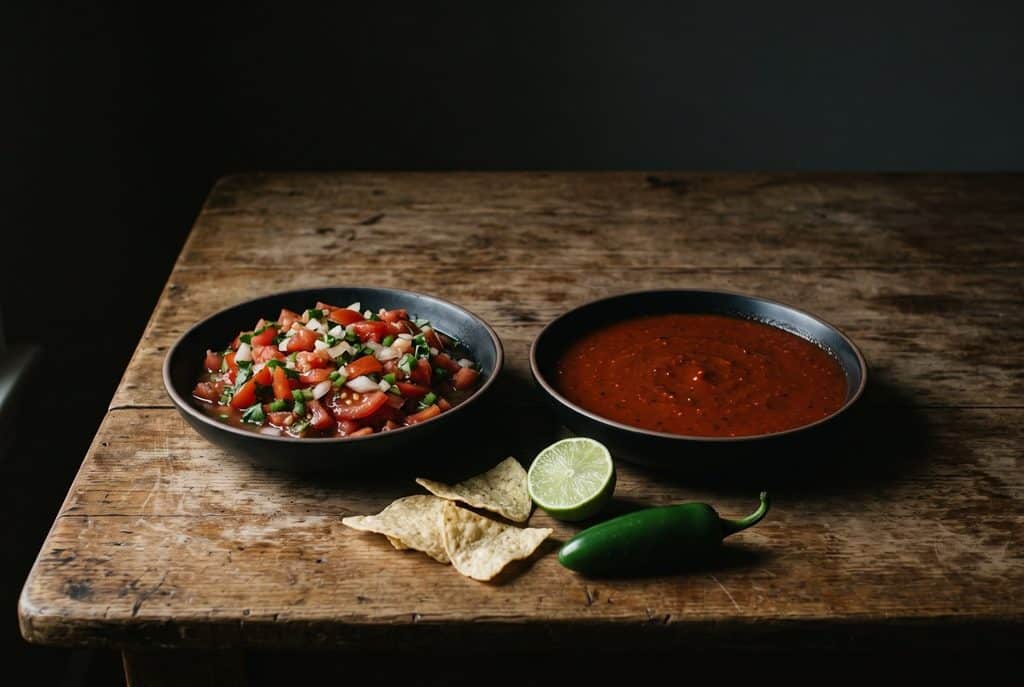
Pico de gallo is chopped, never cooked and never blended: tomatoes, onion, fresh chili, cilantro, lime juice and salt. It’s also called salsa fresca or salsa cruda (fresh or raw salsa). Its red, white and green are why it’s sometimes called salsa bandera, or flag salsa, after the Mexican flag. Most other salsas are puréed, cooked, or both.
Here’s a simple rule of thumb: if it came from a jar, it isn’t pico de gallo, no matter what the label says. Pico de gallo is all about fresh ingredients, and cooking it would kill the garden-fresh taste that’s its signature.
Which is hotter, pico de gallo or salsa?
It depends on the chili, so neither one’s always hotter. Pico de gallo usually gets jalapeño peppers, and some recipes lean on the heat and use serranos instead. Since the pepper’s raw and chopped into bits, you’ll get its heat in bursts, depending on which bite has the pepper in it.
Salsa can go anywhere on the scale. Jarred salsas come labeled mild, medium or hot, and homemade ones run from barely warm to ghost pepper salsa. If you’ve overdone it with either one, here’s how to make salsa less spicy.
How does each taste?
Pico de gallo tastes like its ingredients, each one on its own: juicy tomato, the sharp bite of raw onion, bright lime and a clean green heat from the chili. Every bite’s a little different.
Salsa’s flavor depends on how it’s made. Cooking or roasting the ingredients mellows the onion and deepens the tomato, and blending brings everything together into one flavor. A salsa verde made with tomatillos is tangier, a guajillo salsa is earthy from its dried chilies, and fruit salsas like pineapple habanero salsa swing sweet. Some salsas also bring garlic’s sharp, savory bite or corn and beans, which you won’t find in pico.
What does each look like?
Pico de gallo’s more like a salad. There’s very little liquid in the bowl, maybe a little from the chopped tomatoes, and you can eat it as a side dish because of how salad-like it is. Salsas, in contrast, are a lot soupier, and they’re sometimes completely smooth. Their ingredients may be blended or strained to make them less chunky, so they work as a dip or even as a condiment, like ketchup or mustard.
Is pico de gallo always made with tomatoes?
Not everywhere. In central Mexico, especially around Guadalajara, pico de gallo can mean something else entirely. It’s a fruit and vegetable salad, with jícama, cucumber and fruit like orange or mango, dressed with lime juice and powdered red chili and sold from street carts. If you like that combination, our pico de gallo powder is made for sprinkling on fruit.
Nobody’s sure where the name comes from, either. Pico de gallo means “rooster’s beak.” The explanations range from the shape of the chili to the way the dish was once eaten, picked up between the thumb and finger.
Which keeps longer?
Salsa, by a long way. Pico de gallo’s best the day you make it. Salt draws water out of the tomatoes, so the bowl gets wetter as it stands, and the vegetables lose their crunch. Our easy pico de gallo recipe says two days is pushing it.
Cooked salsas keep longer, and jarred ones are shelf-stable until you open them. The minute you can pico de gallo, it’s essentially a salsa: it gets soupier, and the ingredients aren’t fresh anymore. Canning salsa at home is common and a lot of fun with garden vegetables, but follow a tested recipe exactly. K-State Research and Extension warns against changing the amounts or adding ingredients. It also says not to swap in fresh lime juice for the bottled kind, since those details are what make the recipe safe to keep on a shelf.
Which is more useful in the kitchen?
Pico de gallo’s at its best where you want freshness and crunch. Pile it on tortilla chips, tacos and burritos, spoon it over grilled chicken or fish, or serve it on the side in place of a salad. It’s a topping more than a sauce.
Salsa does more jobs. It’s a dip, a condiment and a cooking ingredient. A smooth salsa coats a chip and spreads over a taco. A cooked salsa can coat other food, too, like the hot salsa poured over crisp tortilla strips in our chilaquiles. Cook pico de gallo into a dish like that and it stops being pico de gallo.
Can you substitute one for the other?
Sometimes. Pico de gallo works in place of salsa as a topping, as long as you drain it first so it stays on the chip. It won’t work where a recipe needs a sauce, like simmering or a smooth dip. Going the other way, a chunky salsa can stand in for pico on tacos. But you’ll lose the crunch and the fresh, raw flavor, and it won’t hold up as a side.
There’s one easy conversion, though. Pulse leftover pico de gallo in a blender and you’ve got a quick fresh salsa, ready for dipping.
Overall: every pico de gallo is a salsa
You’ll often see pico de gallo simply called salsa, and that’s because it is one, for all its salad-like form. It is, though, a very specific salsa in terms of freshness, ingredients and texture. So the next time you’re eating salsa at your favorite restaurant, ask yourself if that’s really pico de gallo. It just may be.
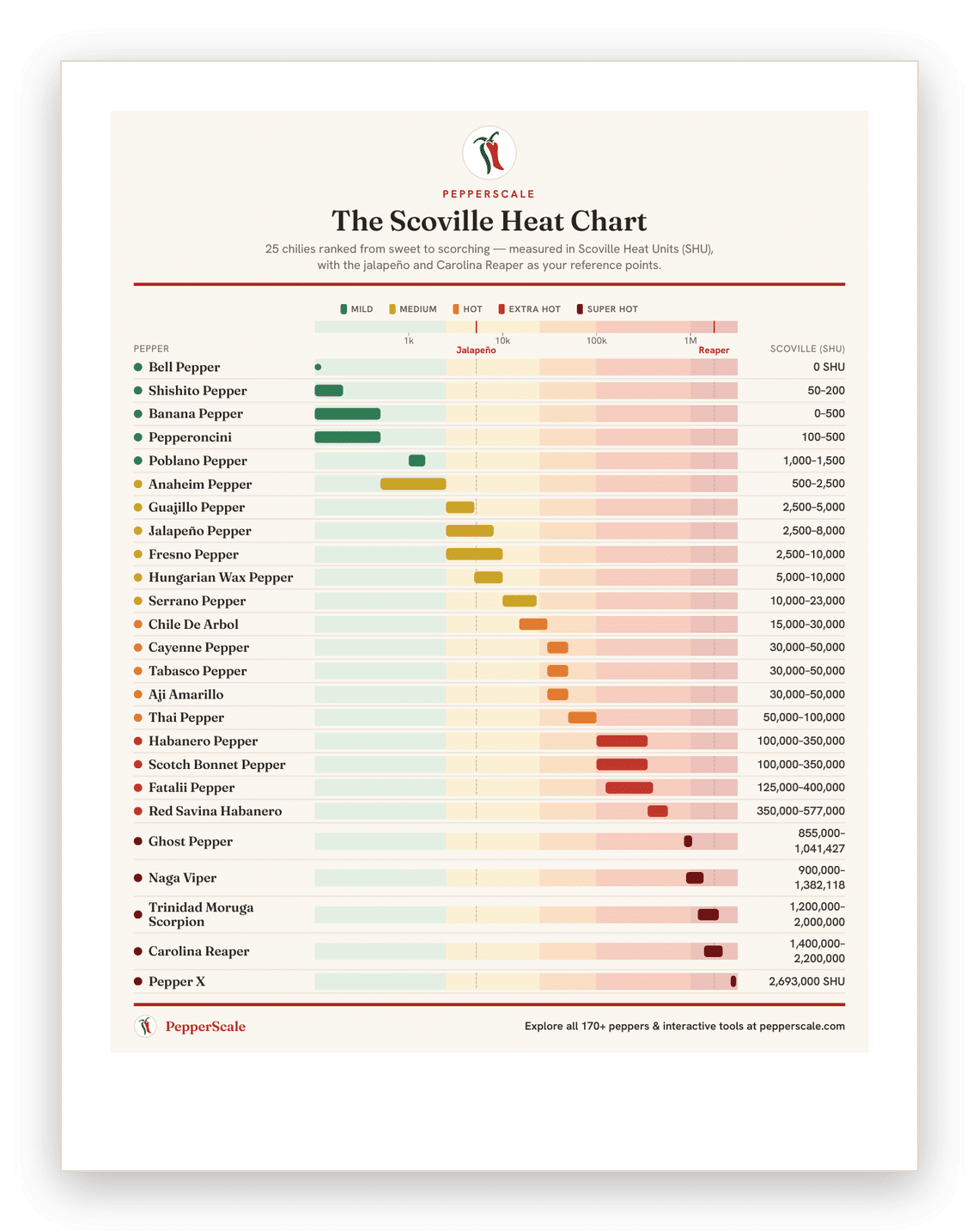
Get the free PepperScale Scoville Heat Chart
A printable, at-a-glance ranking of 25 chilies from sweet to scorching — with the jalapeño and Carolina Reaper as your reference points. Join the newsletter and we’ll send it straight to your inbox.
No spam — just Wicked Wednesday recipes and occasional extra dashes of chili pepper inspiration. Unsubscribe anytime.
Related reading
- Is Salsa Good For You?: What a few spoonfuls bring to the table, from vitamins to sodium.
- Chili Crisp vs. Chili Oil: What’s The Difference?: Another pair of condiments that look alike and do different jobs.
- Sriracha Vs. Tabasco: How Do They Compare?: Two hot sauces that share a shelf but not much else.
Another difference is salt. Salsas usually have added salt. Not pico. Pico in a sodium restricted diet is heavenly.