The easiest way to preserve chili peppers is to freeze them: wash, stem, bag and freeze, with no blanching needed. Drying, pickling and fermenting will all keep hot peppers on hand for months too, and each one changes the pepper in its own way, so the best choice depends on how you’ll use them. Best of all, every method here is relatively easy. There’s only one that needs real care, and that’s storing peppers in oil. Let’s dive into the different methods.
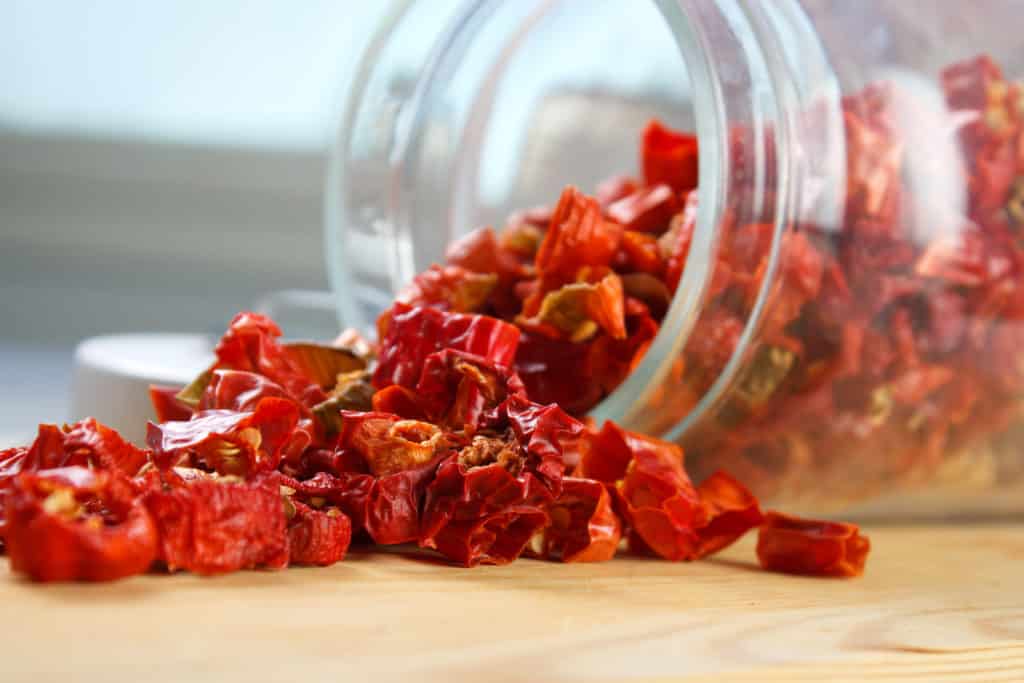
Which way of preserving chili peppers is best?
Which one should you use? It depends on what you’ll cook with them. Here’s how the main methods compare.
| Method | Best for | What it does to the pepper | How long it keeps |
|---|---|---|---|
| Freezing | Anything you’ll cook: sauces, chili, stir-fries | Keeps the flavor, but softens the texture once thawed | Up to about 9 months |
| Drying | Powders, flakes, pastes and long storage | Deepens the flavor and concentrates the heat | Several months or longer, airtight and out of the light |
| Refrigerator pickling | Toppings for tacos, sandwiches and nachos | Tangy, with some crunch left | As long as your recipe says, in the fridge |
| Canned pickles | Shelf-stable jars from a big harvest | Tangy and softer | On the shelf until opened, then in the fridge |
| Fermenting | Hot sauce and pepper mash | Tangy and funky, with a rounder heat | In the fridge once it’s done |
| Oil | Short-term flavor only | Flavors the oil | 4 days in the fridge, or frozen |
Before you start
Chili peppers contain capsaicin, the compound responsible for their heat, and it can burn sensitive skin and your eyes. Wear gloves when you’re cutting a lot of hot peppers, and keep your hands away from your face until you’ve washed them.
Start with firm, fresh peppers and wash them well. Then decide whether to take out the seeds and the pale pith they’re attached to. Most of the heat is in that pith, not the seeds, so cutting it out is one of the easiest ways to tone the heat down.
How to freeze hot peppers
Freezing is the least work and keeps peppers closest to fresh. The National Center for Home Food Preservation‘s instructions are short: wash and stem the peppers, pack them with no headspace, seal and freeze. There’s no need to blanch hot peppers first.
Small peppers can go in whole. Bigger ones are easier to use later if you slice or chop them first. Want to grab a handful at a time? Spread the pieces on a tray, freeze them until firm, then bag them, so they don’t freeze into one solid block. And press as much air out of the bag as you can before you seal it.
Frozen peppers go soft once they thaw, so use them in anything you’re cooking. You can chop them straight from the freezer, too. Frozen hot peppers keep for up to about 9 months.
For poblanos, Hatch chiles and other peppers you’d roast anyway, roast them first. Blister them under the broiler or over a flame, let them cool, and freeze them with the skins on. The skins slip off easily once they thaw.
How to dry chili peppers
Drying takes the water out and leaves you with something that keeps for months. It also concentrates the heat, and weight for weight, dried chilies are usually hotter than fresh. There are three good ways to dry them:
- A dehydrator. Slice the peppers into rings and dry them at about 140°F. Expect 8 to 12 hours, depending on how thick they are. UC Agriculture and Natural Resources gives the same range.
- The oven. Set it to its lowest setting, ideally around 140°F, and prop the door open a few inches so the moisture can escape. It’s slow, often 16 to 24 hours.
- Air drying. Thread whole peppers through their stems with a needle and string, and hang them somewhere warm with good air flow. Plan on about four weeks. Thin-walled chilies like cayennes dry best this way. Fleshy peppers like jalapeños take far longer and can mold, so use a dehydrator for those.
When are they done? Hot peppers are ready when they’re dry and brittle. Store them whole in an airtight jar somewhere cool and dark, and our guide to storing dried peppers covers the rest. When you want to use them, grind them into homemade chili powder, crush them into flakes, or soak them in hot water to soften them.
How to pickle hot peppers
Pickling sounds complicated, but it isn’t. There are two kinds, and the difference is where the jar lives.
Refrigerator pickles are the quick version. Slice the peppers or leave them whole with two or three slits in each. Pack them into a clean, heatproof jar to within an inch or so of the top, then fill it with white vinegar heated to a low boil. Add seasonings or not, to taste. Seal the jar and refrigerate it, and they’re ready for tacos, sandwiches and nachos. These aren’t shelf-stable, so they stay in the fridge, and you should follow the storage time given with whatever recipe you use. NC State Extension‘s quick pickles, for example, say to use them within two weeks. Our pickled jalapeños and pickled banana peppers are both good places to start.
Canned pickles are the shelf-stable version, and they need a tested recipe. The NCHFP’s pickled hot peppers use 5% vinegar, with far more vinegar than water, and are processed in a boiling water canner. Don’t cut back on the vinegar in a canning recipe, because the acid is what makes it safe on the shelf.
And if you want to can peppers plain, without pickling them? That’s a different job. Peppers on their own are a low-acid food, so they need a pressure canner, not a water bath. Oregon State University Extension has the tested times.
How to ferment hot peppers
Fermenting turns peppers tangy and funky, rounds off the heat, and it’s the start of a lot of hot sauces. Our comparison of fermented and unfermented hot sauce covers how the two taste different. There are two common ways to do it:
- In a brine. Chop the peppers, pack them into a jar and cover them completely with salt water. Our fermented mango habanero sauce uses a 3.5% brine, which means salt weighing 3.5% of the water.
- As a mash. Blend or finely chop the peppers with about 2 to 3% of their weight in salt, then pack the mash into a jar so it’s covered by its own liquid.
Either way, keep everything below the liquid, leave the jar somewhere cool and out of the sun, and loosen the lid every few days to let the gas out. Give it at least a week, and often several. Then blend it with vinegar into a sauce. Unless you’ve checked the finished sauce with a pH meter and it’s safely acidic, keep it in the fridge.
Can you preserve peppers in oil?
Only for a few days, and only in the fridge. Low-acid foods covered in oil make an oxygen-free space where the bacteria that cause botulism can grow, and that includes chili peppers. Oregon State University Extension says to refrigerate vegetables in oil and use them within 4 days, or freeze them for longer storage. The same goes for oil flavored with dried garlic or herbs. Commercial products are made with that risk controlled, usually by acidifying them, which is why they can sit on a shelf and a homemade jar can’t.
What about that pretty bottle of peppers in olive oil on the counter? It isn’t safe, however good it looks. If you love roasted peppers in oil, make a small batch you’ll finish within four days, or freeze them in the oil in small portions and thaw what you need.
More ways to use up a big harvest
Once the freezer’s full, these turn a pile of peppers into something you’ll use all year:
- Hot sauce. A simple Louisiana-style hot sauce is just peppers, vinegar and salt.
- Chili paste. Sambal oelek takes a pound of red chilies with just salt and vinegar.
- Pepper vinegar. Pack peppers into a bottle and cover them with vinegar for hot pepper vinegar, a splash of heat for greens and fries.
- Pepper jelly. Sweet and hot, and our hot pepper jelly uses will keep you from running out of ideas for it.
- Powder. Dry green chilies and grind them into green chili powder.
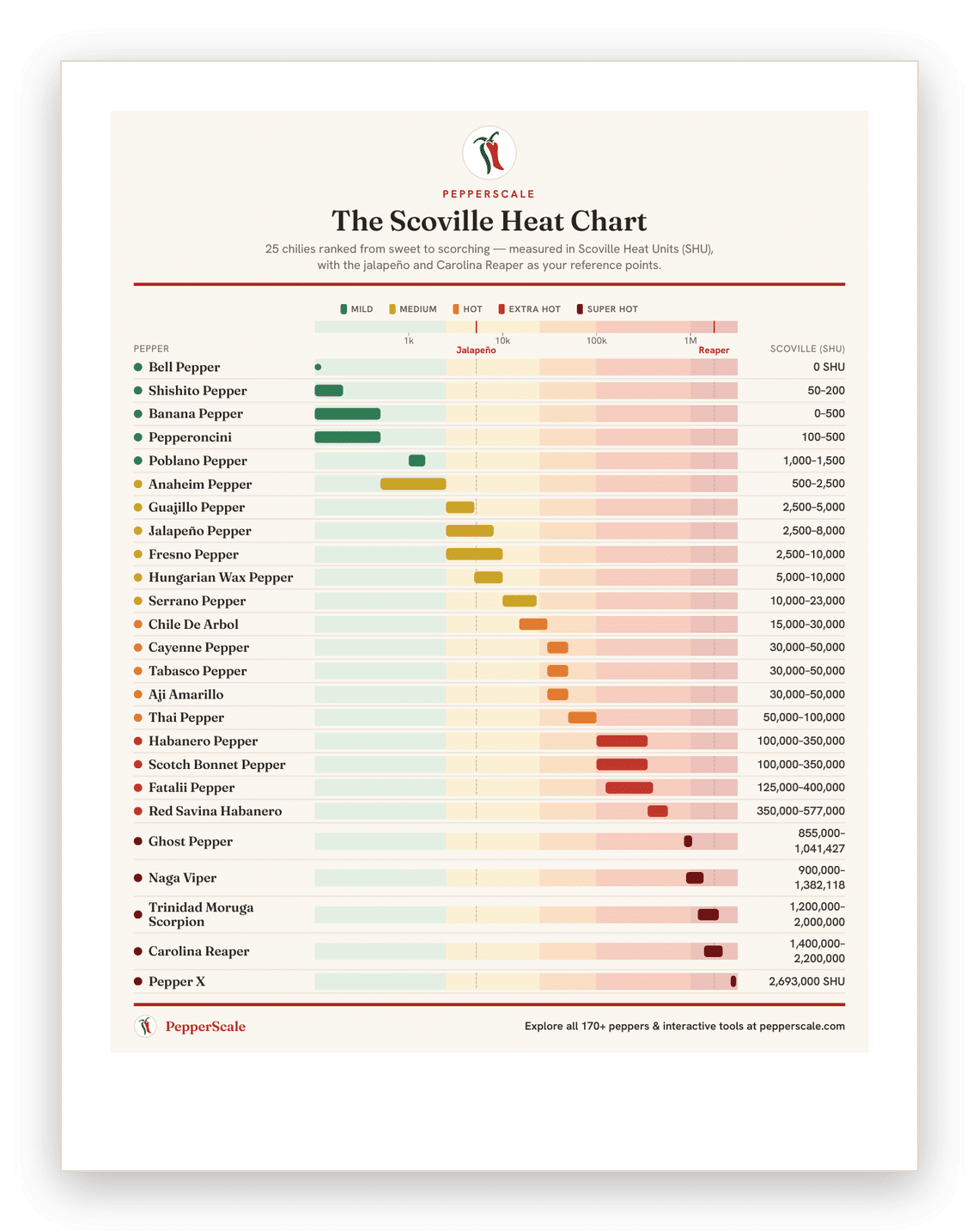
Get the free PepperScale Scoville Heat Chart
A printable, at-a-glance ranking of 25 chilies from sweet to scorching — with the jalapeño and Carolina Reaper as your reference points. Join the newsletter and we’ll send it straight to your inbox.
No spam — just Wicked Wednesday recipes and occasional extra dashes of chili pepper inspiration. Unsubscribe anytime.
Related reading
- The Hot Pepper List: Browse chilies by heat and flavor and plan what to grow for next year.
- Saving Pepper Seeds: Keep seeds from this year’s best plants so you can grow them again.
- Does Hot Sauce Go Bad?: How long an opened bottle lasts, and what to do when the color starts to change.
Can I add garlic cloves to the olive oil and air dried peppers in a jar for long time storage?