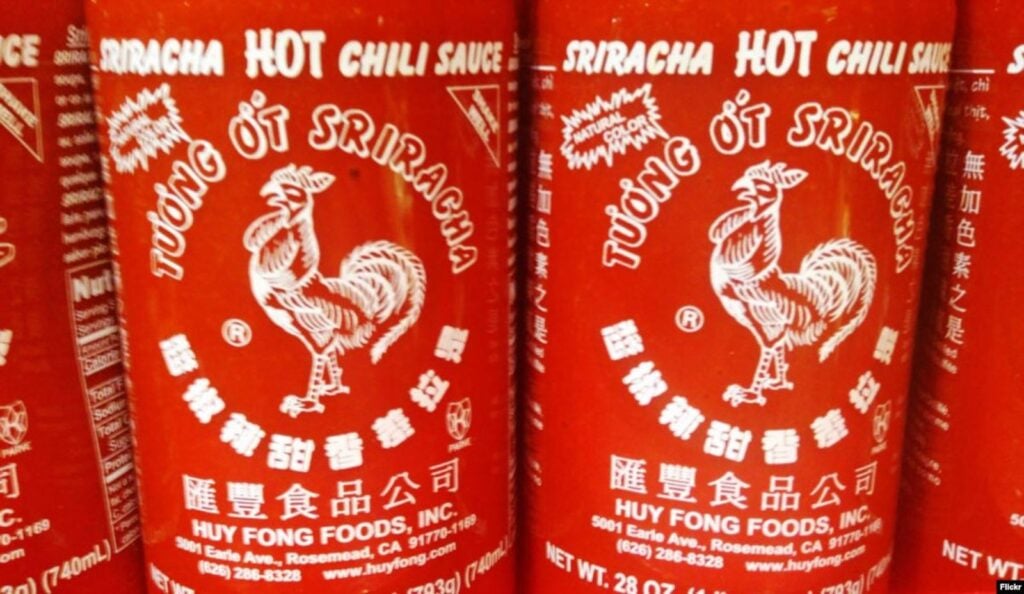
Next time you squeeze Sriracha over a bowl of pho or a plate of eggs, take a look at the bottle. You’ll spot the green top first, but no part of the sauce’s branding is more distinctive than the rooster logo, and it’s the reason Sriracha is sometimes called rooster sauce. The bird is there because it’s David Tran’s Chinese zodiac sign. Tran, who founded Huy Fong Foods, was born in 1945, a Year of the Rooster, and he has said the rooster stands for strength. Who drew it is another story, one that starts with a street artist in Vietnam and a sketch that’s since gone missing.

Last update on 2026-11-09. We earn a commission if you make a purchase, at no additional cost to you.
The rooster in the Chinese zodiac calendar
The rooster is one of the 12 animals of the Chinese zodiac, and David Tran was born under it. Tran is the man who started Huy Fong Foods, the company that makes Sriracha hot sauce, and according to Britannica he was born in 1945, the Year of the Rooster.
Supposedly, a person born in the year of the rooster is personable and a gifted talker. Other important qualities include resourcefulness and charisma. Take that as you like. But the sign was Tran’s, so he put it on every bottle.
What does the Sriracha rooster represent?
In the context of Sriracha sauce and its maker, the rooster represents strength. Tran told Modern Farmer it was his way of saying he was strong. Why does that matter? Let’s take a look at David Tran’s life story.
Tran is an immigrant to the United States who came to the country from Vietnam, where he had been a major in the South Vietnamese army. He left after the Vietnam War, and his journey took him first to Hong Kong and then to Boston before he wound up in Los Angeles. The Taiwanese freighter that carried him out of Vietnam gave his company its name: Huy Fong.
Having first made hot sauces in Vietnam, Tran continued doing so after arriving in the US. He began manufacturing Sriracha in California in 1980, after founding his company in Chinatown in Los Angeles. According to Smithsonian, he made the sauce by hand in a bucket, bottled it and drove it to customers in a van. What went into the bottle you know today? Red jalapeños, garlic, sugar, salt and vinegar, as our breakdown of Sriracha’s ingredients explains.
What is the rooster emblem’s origin story?
In the 1970s, Tran happened upon a street artist in Vietnam and asked him to draw a rooster. Later, he would use a tiny version of the picture on the bottle caps of his first chili sauce, which he made while still in Vietnam and called pepper sate.
He brought the rooster with him to the United States, and once there, he had a Chinatown artist redraw it. He wanted a larger and clearer image to use on his Sriracha bottles, and it is this second version of the rooster that you see on Huy Fong labels today. The original sketch has since been lost. Tran says he skipped asking the original artist’s name, and he told Modern Farmer he can’t recall who the man was.
Did David Tran invent sriracha?
It is important to note that sriracha hot sauce is not David Tran’s invention. The sauce comes from Si Racha, a coastal town in Thailand. According to Britannica, a cook named Thanom Chakkapak developed the original in the 1930s and sold it as Sriraja Panich, after her hometown.
Tran also left the name untrademarked, so you’ll find other companies selling sauces labeled sriracha too. And that’s why you often see “sriracha” (lowercase) written when generally discussing sriracha and not specifically David Tran’s sauce. If you want his sauce specifically, look for the rooster, the green cap and the Huy Fong name. Wondering how his compares? See how hot Sriracha is and our Sriracha vs. Tabasco comparison.
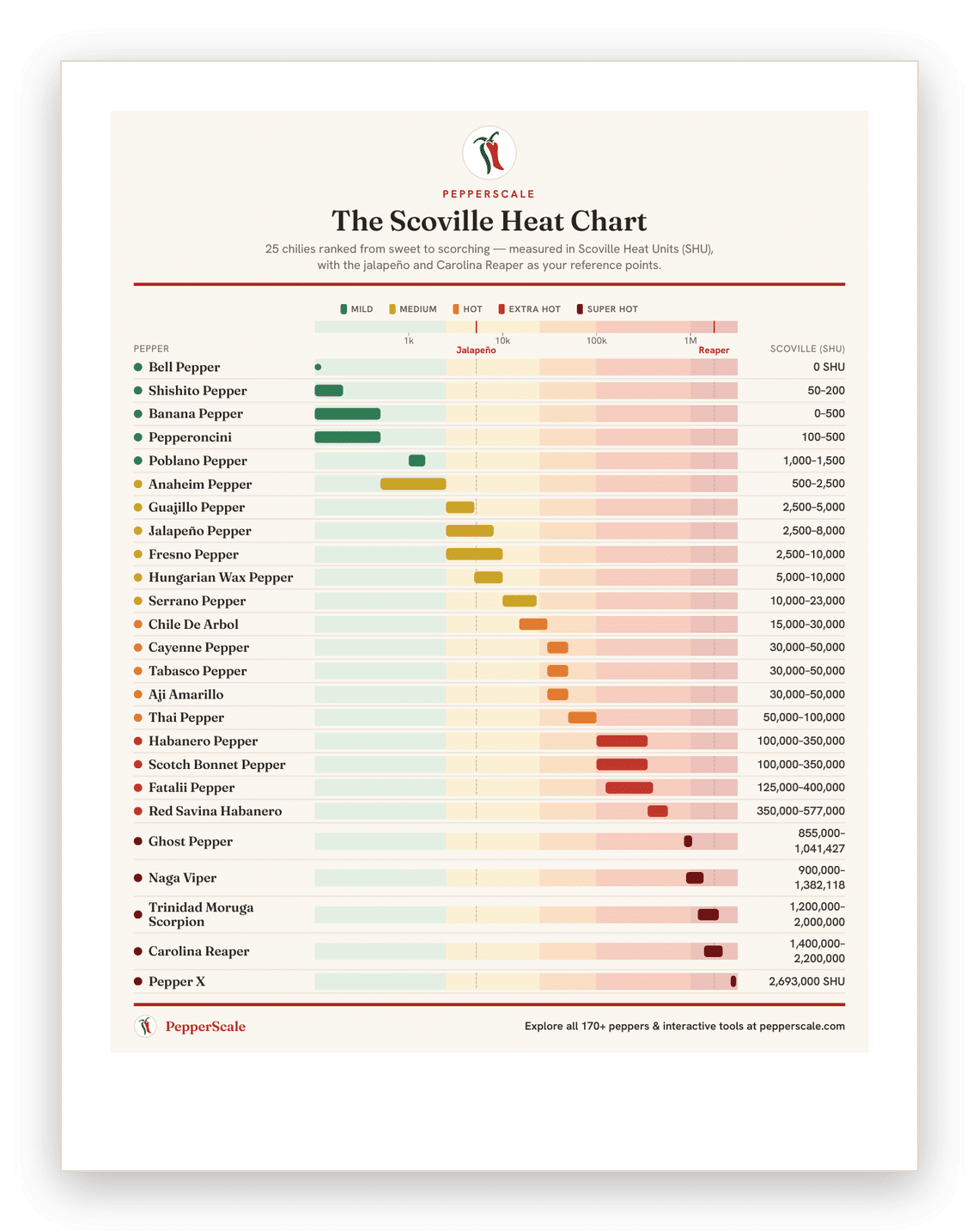
Get the free PepperScale Scoville Heat Chart
A printable, at-a-glance ranking of 25 chilies from sweet to scorching — with the jalapeño and Carolina Reaper as your reference points. Join the newsletter and we’ll send it straight to your inbox.
No spam — just Wicked Wednesday recipes and occasional extra dashes of chili pepper inspiration. Unsubscribe anytime.
Related reading
- Our Sriracha Hot Sauce review: We take the rooster sauce for a spin and give you our take on its heat balance, overall flavor, usability, and more.
- Is Sriracha Healthy?: Learn about the nutritional value of this popular hot sauce.
- Homemade Sriracha Recipe: DIY this delicious chili garlic sauce in your kitchen.