The California chile — the dried, ripened form of the Anaheim — is one of the gentlest dried chilies in the Mexican pantry, and that mildness is exactly why it’s worth choosing a substitute carefully. Its job in a dish is rarely heat; it’s the smooth, sweet-earthy body and deep brick-red color it lends to a sauce. Reach for the wrong stand-in and you can lose that mellow, dried-fruit depth, not just the (very slight) warmth.
The California chile sits in what we call the Nutty, Earthy & Dried flavor family: sweet dried-fruit riding on a soft, earthy base, with almost none of the brightness or grassiness of a fresh chili. Stay inside that family and a swap changes almost nothing but the intensity. Step outside it (especially to a fresh chili) and you change the character of the dish entirely, which is almost never what a California chile recipe wants.

Last update on 2026-07-12. We earn a commission if you make a purchase, at no additional cost to you.
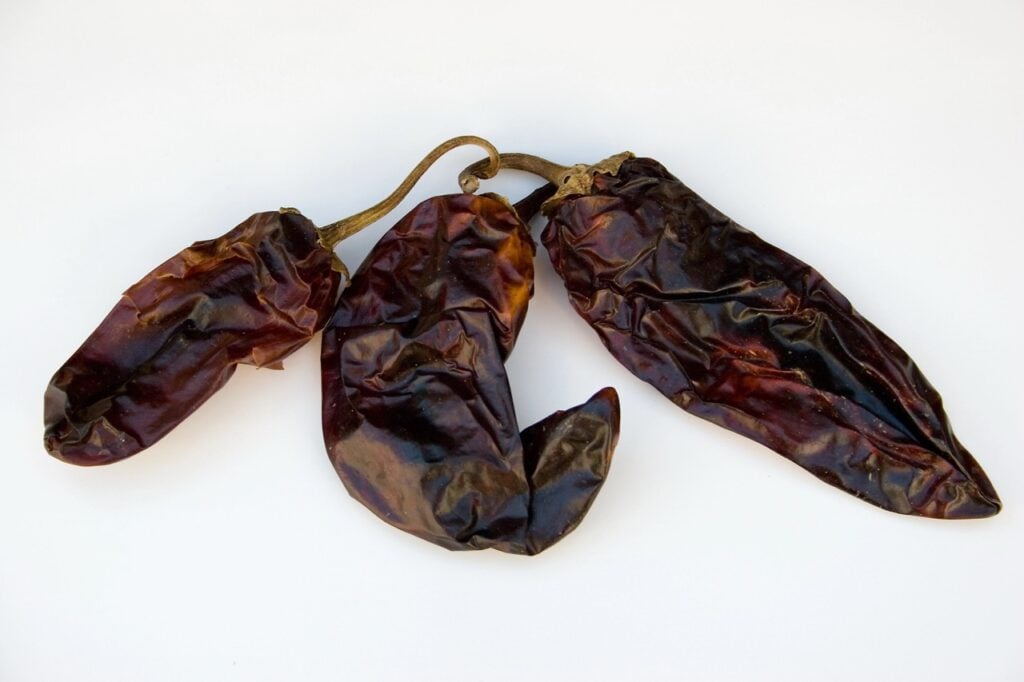
The best swaps: dried chiles in the California’s flavor family
These are all Nutty, Earthy & Dried chilies, so every one keeps the California’s mellow, sweet-earthy character. They’re close in heat too (this is a mild corner of the Scoville scale) so you’re really choosing by flavor nuance more than fire. Ranges are given against the California chile’s own 500 to 2,500 Scoville heat units.
Dried New Mexico chile: the near-identical twin
If you can find a dried New Mexico (or “chile seco del norte”) pod, you’ve essentially found the same pepper — the California chile is a dried red Anaheim/New Mexico-type chile. Flavor, color, and use are the same; the only real variable is that New Mexico–grown pods can run a little hotter. It’s as close to a true one-for-one as a substitute gets.
Ancho: the closest for sweet, raisiny body
The ancho (dried poblano, 1,000 to 1,500 SHU) is the substitute to reach for when you want to protect the California’s sweetness. It’s a touch richer and more raisiny, with a whisper of cocoa, but it stays squarely mild and mellow. Ideal in red enchilada sauce, adobo, and anywhere the sauce leans sweet-and-deep.
Guajillo: the most available all-arounder
The guajillo (2,500 to 5,000 SHU) is the easiest of these to find and the closest single swap for everyday use. It runs a little hotter and noticeably brighter — tangy, with a berry edge — so it trades some of the California’s roundness for lift. That brightness is often welcome in a red sauce, and the color match is excellent.
Pasilla: for darker, earthier depth
The pasilla (dried chilaca, 1,000 to 2,500 SHU) sits right in the California’s heat range but leans darker and earthier, with a faint bitterness and its own raisiny note. Choose it when you want a moodier, more savory sauce or mole base rather than a strictly sweet one.
Mulato: the sweetest, most chocolatey option
The mulato (2,500 to 3,000 SHU) is a darker cousin of the ancho — sweet, with distinct chocolate and dried-fruit notes. It’s a small step up in heat and a bigger step toward richness, making it a natural for mole and other deep, sweet sauces.
The reliable mix: 50/50 guajillo and ancho
if you’re unsure, use a 50/50 blend of guajillo and ancho. The guajillo supplies color and brightness, the ancho supplies sweet, mellow depth, and together they land almost exactly on the California chile’s smooth middle.
One to skip: the fresh Anaheim
It’s tempting to grab a fresh Anaheim (or any fresh green chili), since the California chile is literally a dried Anaheim. But drying is the whole point: it trades the fresh pepper’s crisp, grassy, watery brightness for the concentrated sweet-earthy depth a red sauce is built on. Drop a fresh Anaheim into a recipe that calls for California chile and you’ll add moisture and a green, vegetal note while missing the raisiny body entirely. The fresh Anaheim is a wonderful chili for fresh applications. For a dried chili sauce, it’s the wrong tool.
Color and warmth without the pods: pantry options
Sometimes you don’t need a whole rehydrated pod, you just want the flavor and that deep red color:
- California (or New Mexico) chile powder is the same pepper ground. It’s the most direct pantry swap of all. Stir it straight into sauces, rubs, and stews.
- Ancho powder brings the sweeter, raisiny side of the family and is widely available.
- A mild chili powder blend works in a pinch for background warmth and color; just know it carries added cumin, garlic, and oregano, so adjust the rest of your seasoning. Our pepper conversion tool helps translate whole pods into the right amount of powder.
Match the substitute to the dish
- Red enchilada sauce or chile Colorado: guajillo (or the guajillo-ancho blend) for color and body; ancho if you want it sweeter.
- Mole and deep, sweet sauces: ancho or mulato for richness and dried-fruit depth.
- Color without added heat: dried New Mexico chile, or California/ancho powder stirred to taste.
- No time to soak pods: California, New Mexico, or ancho powder straight into the pot.
How much should you use?
Because these are all mild dried chiles, most swap in close to one-for-one by pod. But heat and size vary, so treat every ratio as a starting point:
- Ancho, pasilla, dried New Mexico: roughly one-for-one; no real adjustment needed.
- Guajillo or mulato: a touch hotter, so start one-for-one and taste; pull back slightly if you want to keep things very mild.
- Powders: begin with about a tablespoon in place of one whole pod, taste, and build. The dish heat calculator takes the guesswork out.
Summing it up
The California chile is a mild, mellow, sweet-earthy dried chili pepper, and the best substitutes for it are other mild, mellow, sweet-earthy dried chilies. Stay in the Nutty, Earthy & Dried family — ancho, guajillo, pasilla, mulato, or a plain dried New Mexico pod — and your sauce keeps its character while only small details shift. The one move to avoid is jumping to a fresh chili, which changes the dish rather than substituting into it.
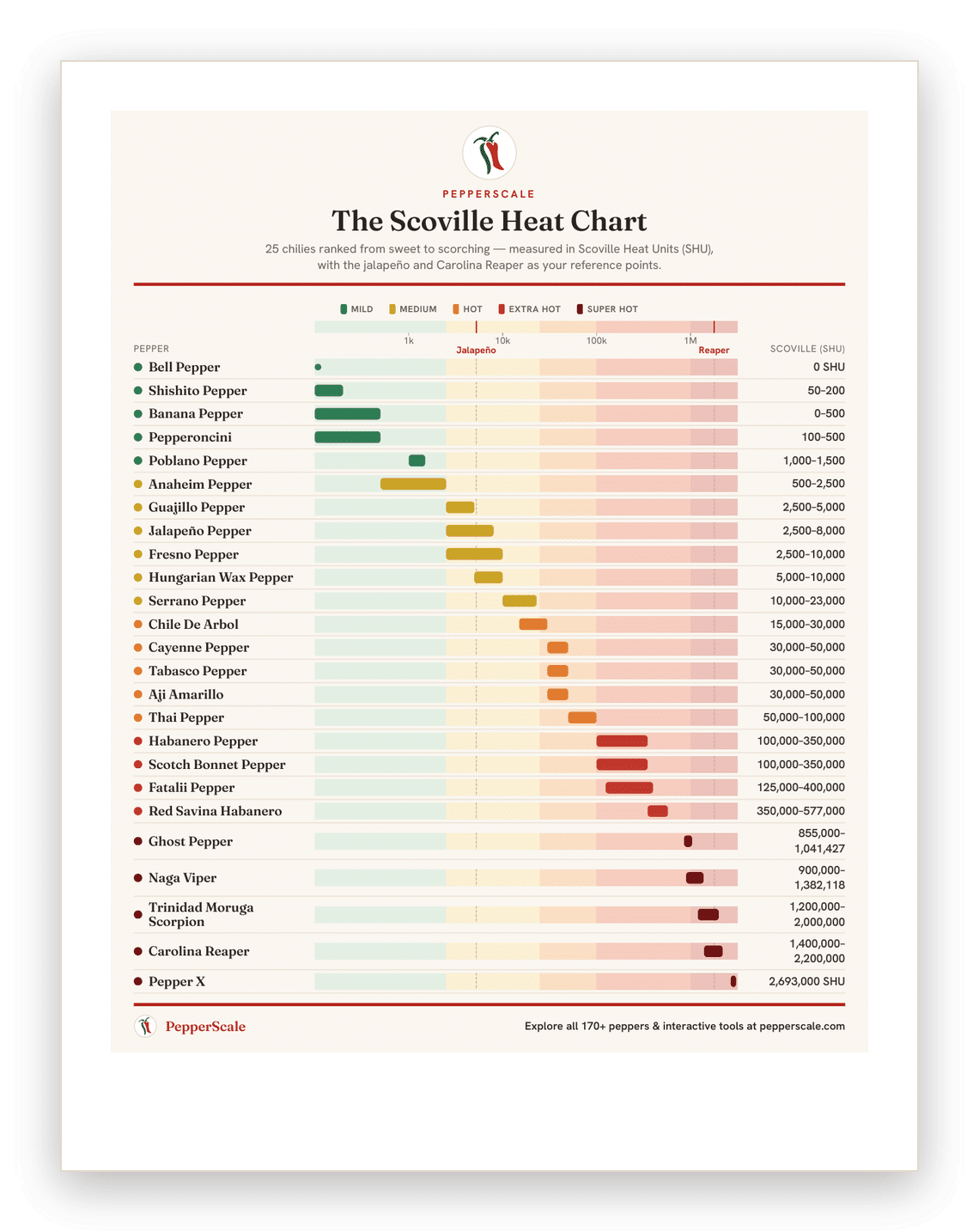
Get the free PepperScale Scoville Heat Chart
A printable, at-a-glance ranking of 25 chilies from sweet to scorching — with the jalapeño and Carolina Reaper as your reference points. Join the newsletter and we’ll send it straight to your inbox.
No spam — just Wicked Wednesday recipes and occasional extra dashes of chili pepper inspiration. Unsubscribe anytime.
Related reading
- The Hot Pepper List: If none of these are quite right, we profile 170-plus chilies, searchable by heat, flavor, and origin.
- Are Dried Chilies Hotter Than Fresh? All you need to know about the drying process.
- How To Rehydrate Dried Peppers: Want to make sure you get max flavor from your dried chilies? Get the rehydrating process down.