The Hungarian wax pepper brings a specific combination to a dish: a solid medium heat, 5,000 to 10,000 Scoville heat units (SHU), wrapped in a bright, sweet-tangy, almost pickle-ready flavor. Using PepperScale’s flavor families, it’s Green & Grassy chili with an unusually vivid tang, most at home pickled, stuffed, or grilled. The catch is that it can be hard to find fresh outside its peak season. The good news: it has several excellent, widely available stand-ins, especially if you’re after that pickled tang. Here’s how to choose the right one, matched to flavor, heat, and the dish you’re making.

Last update on 2026-10-08. We earn a commission if you make a purchase, at no additional cost to you.

| Pepper | Scoville | Vs. Hungarian Wax | Use |
|---|---|---|---|
| Hungarian Waxwhat you're replacing | 5,000–10,000 | — | — |
| Banana Green & Grassy Closest match | 0–500 | ~30× milder | — |
| Pepperoncini Green & Grassy Closest match | 100–500 | ~25× milder | — |
| Fresno Green & Grassy Closest match | 2,500–10,000 | ~1.2× milder | 1.2× as much |
| Jalapeño Green & Grassy Easy to find | 2,500–8,000 | ~1.4× milder | 1.4× as much |
- Cayenne Sharp Brings the heat without the tangy and fresh that carries Hungarian Wax.
- Thai Sharp Brings the heat without the fresh and sweet that carries Hungarian Wax.
The best swaps: peppers in the Hungarian wax’s flavor family
Start in the same flavor neighborhood. These are mild-to-medium chilies that share the Hungarian wax’s bright, tangy character, so they trade in without reshaping the dish.
Banana pepper: the look-alike
The banana pepper is the closest match and the easiest to find. It shares that slightly sweet, slightly tangy flavor, and the two look so alike that shoppers and store clerks mix them up constantly. It’s widely sold pickled and increasingly available fresh. The one catch is heat: a banana pepper is extremely mild (0 to 500 SHU), a long way below the Hungarian wax’s medium 5,000 to 10,000. If that drop in spice doesn’t matter for your dish, use it one-for-one; if it does, add a pinch of cayenne or a few pickled jalapeño slices to close the gap.
Pepperoncini: tangy, a touch milder
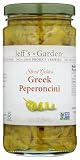
Pepperoncini are a hair harder to find but every bit as good on flavor, with the same sweet-tangy profile and a gentle 100 to 500 SHU. They’re most common pickled, where their brine tang lines up beautifully with how the Hungarian wax is so often used. Like the banana pepper, they’re a flavor match rather than a heat match, so lean on them when the tang matters more than the burn.
Jalapeño: the heat match
When spice is the priority, the jalapeño is your pepper. At 2,500 to 8,000 SHU it sits right below the Hungarian wax, so the two are close enough to swap on heat, and a pickled jalapeño in particular gets remarkably close thanks to the tang of the brine. Fresh is where they part ways: a green jalapeño is bright and grassy, verging on bitter, without the Hungarian wax’s sweet tang. Reach for it when you want the kick and can live with a different flavor underneath.
Fresno: closer on sweetness for fresh dishes
For a fresh swap that keeps some of the Hungarian wax’s sweetness, the Fresno is an underrated pick. It runs in the same jalapeño-ish heat range but reads fruitier and a touch sweeter, especially as it ripens red, which lands nearer the Hungarian wax’s character than a green jalapeño does.
One to skip: chilies that bring heat but not the tang
It’s tempting to grab whatever hot pepper is on hand, but pure-heat chilies miss the point. A cayenne or a Thai chili can match or overshoot the Hungarian wax on the Scoville scale while bringing none of its sweet, bright tang, so you get burn where the recipe wanted balance. They’re fine when heat is genuinely all you need, and the wrong call when that pickle-ready tang is the reason the Hungarian wax was on the ingredient list.
From the jar: pickled and pantry options
Because the Hungarian wax is so often used pickled, in many recipes the jar is the most faithful route, not a compromise. Jarred pickled banana peppers and pepperoncini deliver that sweet-tangy, briny bite straight from the fridge, ready for sandwiches, salads, and boards. Pickled jalapeño or banana-pepper rings add the heat the milder two lack. Keep a jar of pickled banana peppers and a jar of pickled jalapeños on hand and you can cover almost any Hungarian wax use between them: tang from one, heat from the other.
Match the substitute to the dish
- Pickled toppings (sandwiches, salads, boards): banana pepper or pepperoncini; add pickled jalapeño rings for heat.
- Poppers and stuffing: banana pepper for the look, or a larger, milder Anaheim or cubanelle when you want more room and less heat.
- Fresh salsas and grilling: jalapeño or Fresno, for a chili that holds up to heat and brings real spice.
- Just the heat: any medium chili you have, accepting a different flavor underneath.
How much should you use?
Heat swings pod to pod, so treat every ratio as a starting point:
- Banana pepper or pepperoncini: one-for-one on volume, then add heat (a pinch of cayenne or a few pickled jalapeño slices) if the dish needs it.
- Jalapeño: roughly one-for-one; it sits just below the Hungarian wax, so you may want a touch more.
- Fresno: about one-for-one, with a little extra sweetness in the bargain.
- Hotter chilies (serrano and up): scale back and taste as you go. Our pepper conversion tool helps you dial in the amount.
The bottom line
For most kitchens the Hungarian wax substitute question is simple: reach for a banana pepper when you can, add a little heat if the dish wants it, and step up to a jalapeño or Fresno when spice is the priority. Keep the flavor you’re actually after in mind, that bright, sweet-tangy bite, and you’ll land on the right pepper every time.
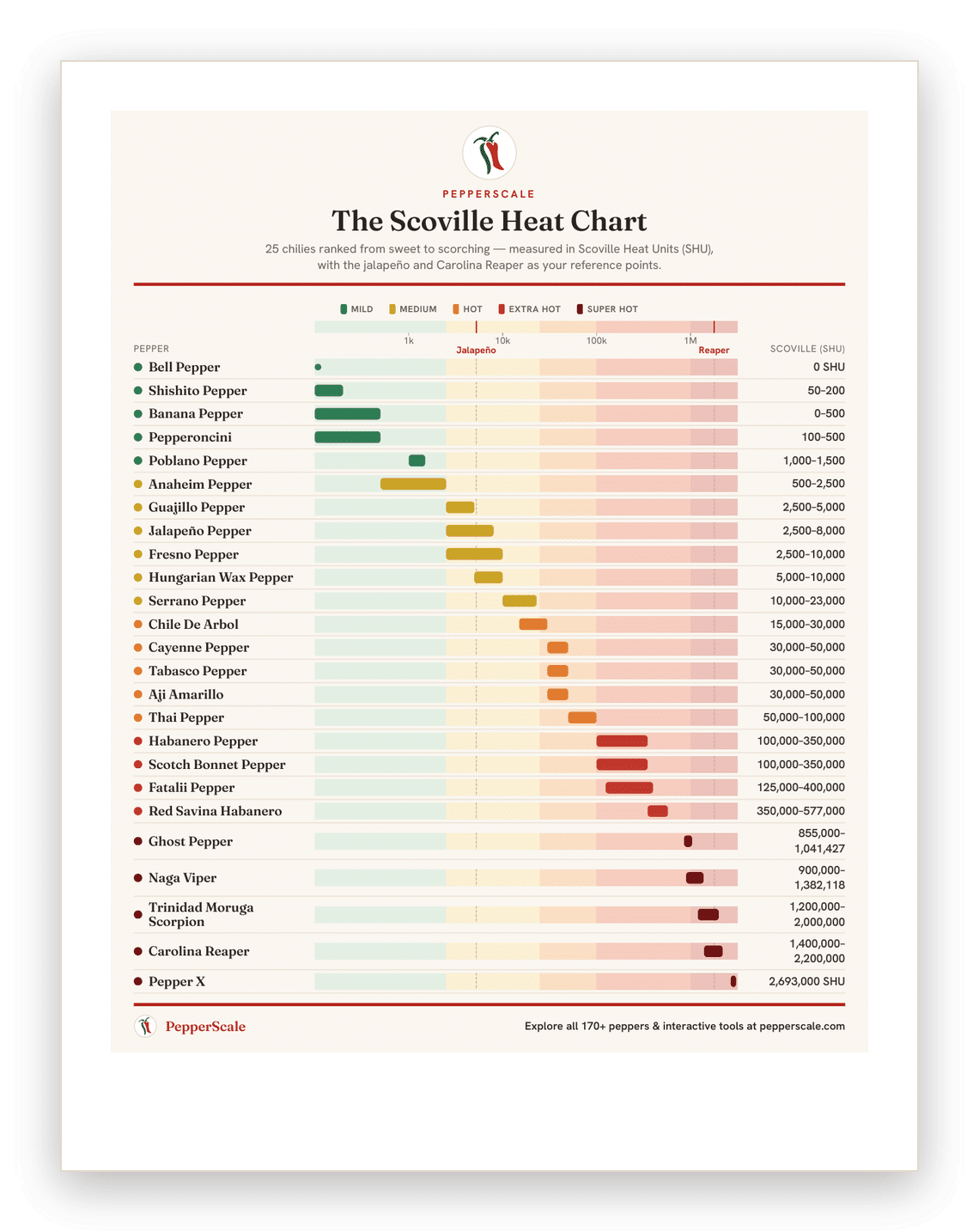
Get the free PepperScale Scoville Heat Chart
A printable, at-a-glance ranking of 25 chilies from sweet to scorching — with the jalapeño and Carolina Reaper as your reference points. Join the newsletter and we’ll send it straight to your inbox.
No spam — just Wicked Wednesday recipes and occasional extra dashes of chili pepper inspiration. Unsubscribe anytime.
Related reading
- The Hot Pepper List: Explore 170-plus chilies, searchable by name, flavor, heat, and origin.
- Pepperoncini Vs. Banana Pepper: The two mild look-alikes at the heart of this swap, compared.
- Banana Pepper Vs. Jalapeño: Mild-and-sweet against grassy-and-hot, so you can split the difference.