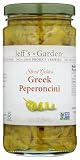
Crack open a jar of pepperoncini and there’s treasure in there beyond the peppers themselves. Pepperoncini juice is the brine the peppers are packed in, mostly vinegar, but infused along the way with salt, a whisper of the mild pepper’s own flavor, and usually a little garlic. Most people pour it down the drain with the last pepper. That’s a small tragedy, because what’s in that jar is one of the most useful seasonings in your kitchen, and once you understand why it works, you’ll start reaching for it on instinct.

Last update on 2026-10-15. We earn a commission if you make a purchase, at no additional cost to you.

First, why the juice works on almost anything
Here’s the flavor logic in one idea: pepperoncini juice is a seasoned acid. Underneath everything it does is the vinegar’s tartness, and acid is one of the great balancing tools in cooking. It brightens flavors that have gone flat, it cuts through fat and richness so a heavy dish tastes lighter, and it gently tenderizes meat. The salt in the brine seasons as it goes, and the pepperoncini itself, a mild green and grassy chili, leaves behind a faint fresh, grassy lift rather than any real heat. Whatever kick the raw brine has mostly cooks off, so what you’re really adding is brightness, seasoning, and a subtle green note, all at once.
Keep that in mind and every use below stops feeling like a random hack and starts making obvious sense. Anywhere a dish is too rich, too flat, or too heavy, a splash of seasoned acid is the fix.
Marinades and quick brines
Because it’s mostly vinegar, pepperoncini juice is a natural meat marinade. The acid loosens the surface proteins so the meat cooks up a touch more tender, while the salt seasons below the surface and helps it hold on to moisture rather than drying out. It won’t overpower anything, it lays down a light, savory-tangy background that makes your other seasonings pop. Chicken, pork, and beef all take to it well. Go easy on time, though: a few hours is plenty, since too long in any acidic marinade can turn the surface mushy.
Mississippi pot roast and slow braises
If you’ve never cooked with the juice, this is the dish that will convert you. A classic Mississippi pot roast leans on whole pepperoncini and a good pour of their brine, and slow braises love the juice for the same reason marinades do, only stretched over hours. As a chuck roast breaks down, the acid quietly balances all that rich, fatty beef so the finished dish tastes deep but never heavy, and the mild pepper melts into the background as a savory tang. Any long-cooked pot of beef, pork shoulder, or chicken thighs will take a splash and thank you for it.
Salad dressings and vinaigrettes
There’s a whole family of vinegar-based dressings for a reason: a little acid cuts the bitterness of raw greens and makes a plate of vegetables feel brighter and more alive. Pepperoncini juice does everything plain vinegar does and arrives pre-seasoned, bringing salt, a touch of pepper flavor, and that faint green lift along with the tang. Shake it with olive oil and a little garlic for an instant vinaigrette. It’s also the secret weapon in a potato salad, pasta salad, or tuna salad, a spoonful stirred in wakes the whole bowl up.
A finishing splash for soups, stews, and beans
This is the move professional cooks reach for constantly, and it costs nothing. A pot of soup, chili, or beans that tastes a little flat or muddy almost always needs acid, not more salt. A small splash of pepperoncini juice stirred in at the very end lifts everything, sharpens the individual flavors, and makes the whole pot taste finished. Start with a teaspoon, taste, and add more, you want brightness, not a sour pot.
Barbecue sauces and mops
Acidity is built into the DNA of barbecue sauce, which is why nearly every recipe leans on vinegar in some form, and why so many mops (the basting liquid brushed on during a long smoke) are vinegar-forward. Pepperoncini juice slots right in wherever a recipe calls for apple cider vinegar or another acid, doing the job of cutting through fatty, smoky meat while adding its own subtle seasoning on top.
Savory cocktails: Bloody Marys and dirty martinis
The juice is made for savory drinks. A Bloody Mary is arguably the world’s favorite savory cocktail, and it’s always improved by the kind of tart, gently spicy note pepperoncini juice brings, with a pepper left on the pick as the garnish. It also makes a lively swap for olive brine in a dirty martini, the same salty-tangy hit with a mild chili twist. Plenty of people even keep it simple and stir a splash straight into vodka.
Picklebacks
The shot of brine you chase a shot of whiskey with is called a pickleback, and pepperoncini juice makes an excellent one. It does the same job the traditional pickle juice does, cutting the burn of the whiskey and resetting your palate, while adding a touch more warmth and pepper character to the chaser.
Pickled eggs
Ask our readers who’ve been using this juice for years and this is the use they’ll tell you not to miss. That leftover brine is already a fully built pickling liquid, so it’s tailor-made for pickled eggs: peel a batch of hard-boiled eggs, submerge them in the juice, and refrigerate for a few days. They come out tangy, seasoned, and faintly peppery, no extra work required. The same trick turns the brine into a quick pickle for firm vegetables like sliced onions, carrots, or cauliflower.
Making the brine last
Since the juice often runs out before you’re ready to stop using it, a common question is whether you can just top off the jar. You can stretch it by adding fresh vinegar, but know that each top-off dilutes the seasoning and mild pepper flavor, so it gets weaker over time. A better approach is to use a nearly empty jar for one good purpose, quick-pickling a batch of eggs or vegetables in it, which pulls the last of the flavor out before it’s gone for good.
The bottom line
Pepperoncini juice isn’t kitchen scrap, it’s a seasoned acid, and that’s the whole secret to it. Anywhere a dish needs brightening, lightening, or a savory-tangy lift, a splash does the work, whether that’s a braise, a bowl of beans, a vinaigrette, or a Saturday Bloody Mary. Next time you finish the peppers, keep the jar.
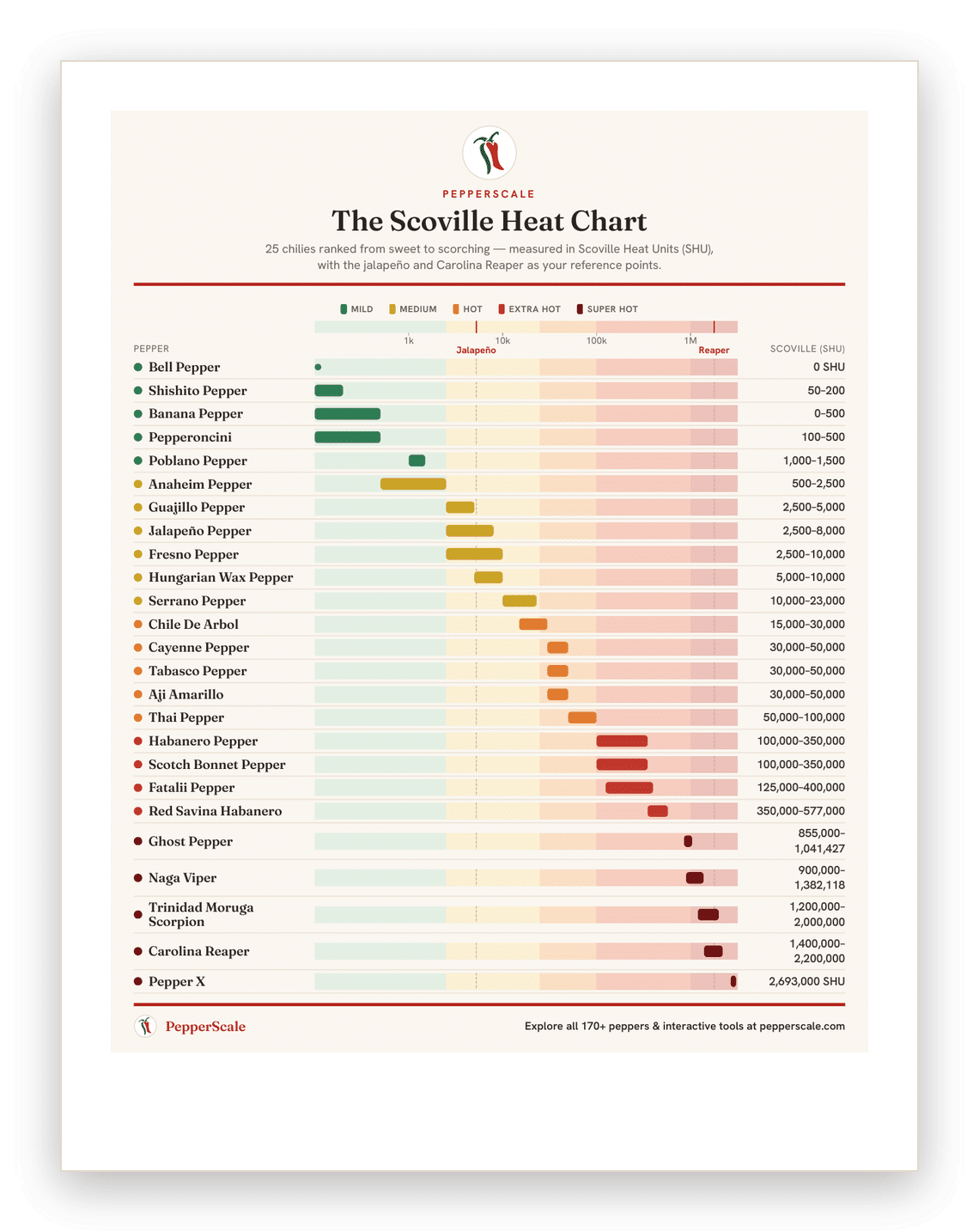
Get the free PepperScale Scoville Heat Chart
A printable, at-a-glance ranking of 25 chilies from sweet to scorching — with the jalapeño and Carolina Reaper as your reference points. Join the newsletter and we’ll send it straight to your inbox.
No spam — just Wicked Wednesday recipes and occasional extra dashes of chili pepper inspiration. Unsubscribe anytime.
Related reading
- Pepperoncini vs. Banana Pepper: They look nearly identical and both make a great brine, but how similar are they really?
- Seven Classic Sriracha Uses: Another everyday chili staple with more range than you’d expect.
- The Hot Pepper List: Search over 150 chilies by name, heat, flavor, uses, and more.
I mix with my vodka. Equal amounts of each. Very good it is.
I use more of the juice than the pepperoncinis themself! Is it possible to just top off the jar with more liquid, vinegar perhaps? It would absorb at least some of the flavor from the peppers, wouldn’t it?
We also use the juice from jalapeño slices to make pickled eggs. My oldest son actually sold them to his friends before school for $1 a piece. Tasty and entrepreneurial! We always got several repeats on the juice, too.
yes, it makes wonderful pickled eggs!
You missed a big one. It is fantastic for pickled eggs.