You’ve got sweet and you’ve got hot. You’ve got generic, Spanish with three types, and Hungarian with eight. And then there’s smoked. Where does smoked paprika fit in, how does it differ from the regular kind, and can you use one in place of the other? The short version: smoked paprika’s dried over a fire before it’s ground, and regular paprika isn’t. That one step changes the flavor a lot, but not the heat.
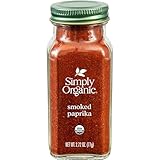

Last update on 2026-10-20. We earn a commission if you make a purchase, at no additional cost to you.

What’s the difference between smoked paprika and paprika?
It’s all in how the peppers are dried. Regular paprika’s made from peppers dried in the sun, with hot air or at low heat, then ground. Smoked paprika is made from peppers dried over a fire. The best-known one is Spain’s pimentón de la Vera. There, the damp climate won’t let the peppers dry in the sun, so growers dry them over oak or holm oak fires for 10 to 15 days before grinding them.
That slow smoke-drying is where the flavor comes from. Some people say it tastes a bit like liquid smoke in powder form. It’s terrific in dry rubs and with barbecue and hearty meats.
Is smoked paprika hotter than regular paprika?
Not necessarily. Smoke and heat are two separate things, so the smoke doesn’t tell you anything about how hot a paprika is. Pimentón de la Vera comes in all three Spanish types, dulce, agridulce and picante, so a tin of smoked paprika can be sweet, bittersweet or hot. Regular paprika runs the same range, and most of it’s mild.
If a tin just says “smoked paprika,” check the label for the type. Sweet, or dulce, has no heat, and hot, or picante, does.
How does each taste?
Regular paprika tastes like the pepper it came from. A sweet Hungarian paprika is rich, sweet and fruity, and Spain’s unsmoked pimentón de Murcia is sweet with a strong aroma.
Smoked paprika puts a deep, woodsy smoke on top of that sweet pepper flavor, and it’s the smoke you’ll notice first. It’s a bigger flavor all around, so a little goes further in a dish.
What does each look like?
You’d have a hard time telling them apart in a jar. Pimentón de la Vera is a deep red with a bit of shine, but regular paprikas run from bright red to deep red too. Your nose will tell you faster than your eyes: smoked paprika smells smoky as soon as you open the tin.
Is smoked paprika the same as Spanish paprika?
No, and it’s an easy mix-up. Spain makes plenty of unsmoked paprika. Murcia’s pimentón is dried in the sun or with hot air, and most Spanish paprika isn’t smoked unless the label says so. Our guide to Spanish paprika covers both.
It works the other way too. A tin labeled just “smoked paprika” doesn’t have to come from Spain. If you want the real thing, look for pimentón de la Vera; the protected tins carry a numbered label from its regulating council. Traditional Hungarian paprika, on the other hand, isn’t smoked.
Which is more useful in the kitchen?
Use regular paprika when you want pepper flavor and color without smoke. It’s the base of goulash and paprikash, and our Hungarian goulash shows it at work. It’s also good sprinkled over deviled eggs and potato salad, where it’s there as much for color as for taste.
Use smoked paprika when you want smoke without firing up the grill: rubs, roasted potatoes, stews, beans and our smoked paprika potato chips. In Spain, pimentón is what makes chorizo chorizo, and some chorizos, like Chorizo de Cantimpalos, have to be made with pimentón de la Vera.
Either way, paprika burns easily, and burnt paprika’s bitter. Stir it into warm oil over low heat for a few seconds, or add it with some liquid, and take the pan off the heat first if you’re blooming it in hot fat.
Can you substitute one for the other?
You can, but it’s not a perfect swap. The big smoky flavor of smoked paprika is often too much for a recipe that calls for regular sweet paprika, and regular sweet paprika doesn’t have the strength to stand up in hearty dishes that want the smoke. Closely related as they are, they live in two different worlds in the kitchen.
If you’re out of smoked paprika, chipotle powder brings a similar smoky flavor with a lot more heat, so start with less. Or try regular paprika with a little liquid smoke. Our smoked paprika substitutes have more ideas. Going the other way, use less smoked paprika than the recipe calls for, and taste as you go.
Overall: same spice, different fire
Smoked paprika and regular paprika are the same spice dried two different ways, and the heat can be identical. The smoke’s what changes everything else. Keep regular paprika for color and sweet pepper flavor, and smoked paprika for dishes where you want smoke up front.
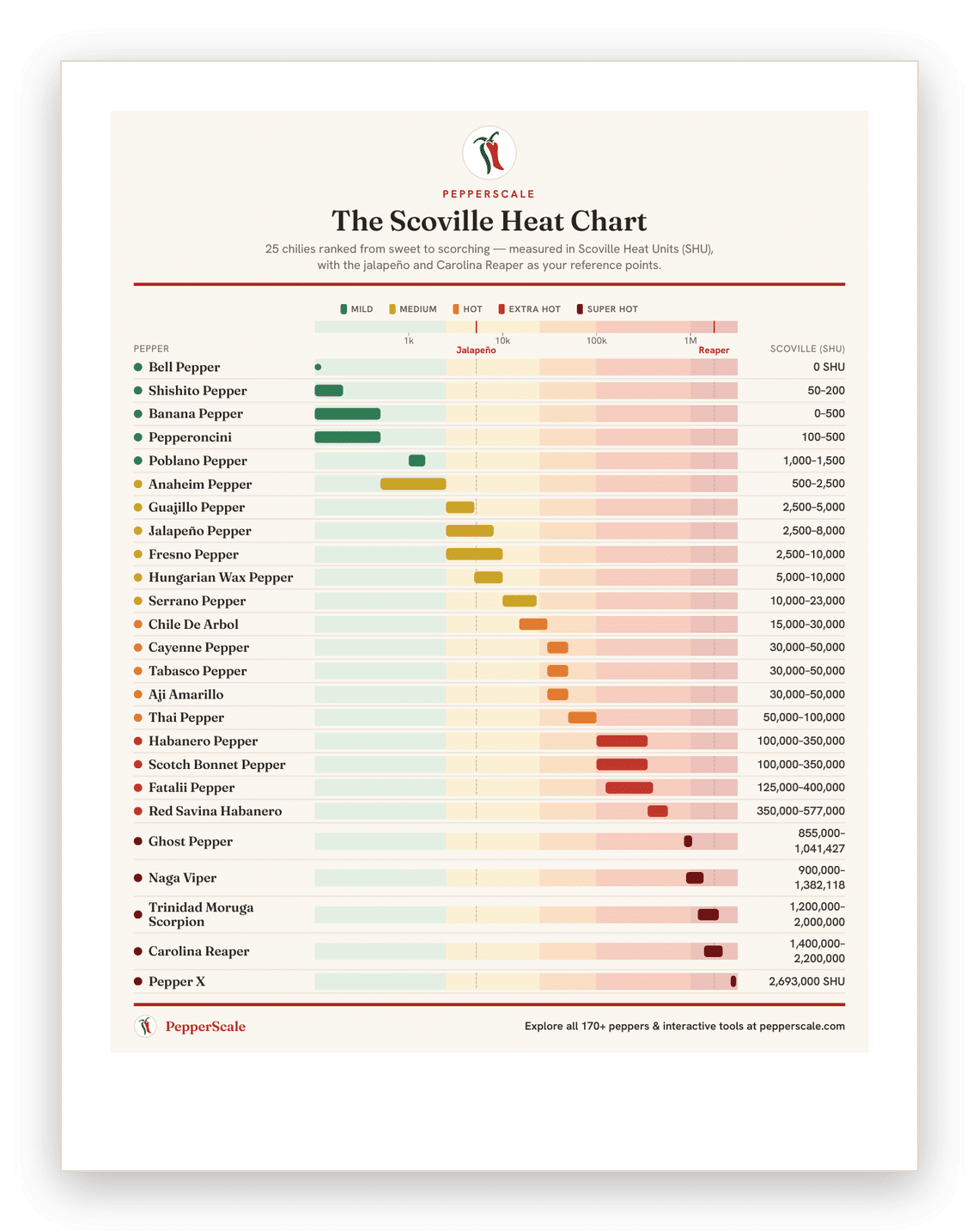
Get the free PepperScale Scoville Heat Chart
A printable, at-a-glance ranking of 25 chilies from sweet to scorching — with the jalapeño and Carolina Reaper as your reference points. Join the newsletter and we’ll send it straight to your inbox.
No spam — just Wicked Wednesday recipes and occasional extra dashes of chili pepper inspiration. Unsubscribe anytime.
Related reading
- Six Delicious Smoked Paprika Uses: More ways to put that smoke to work in the kitchen.
- Chipotle Powder Vs. Smoked Paprika: Two smoky powders, and how far apart they are on heat.
- Hungarian Paprika Vs. Spanish Paprika: How Do They Compare?: The two best-known paprikas, side by side.