American chili powder is ground dried chiles blended with other spices. Cumin, garlic and oregano are the usual partners, and store jars often add salt and an anti-caking agent. It isn’t plain ground chili pepper, and no two brands use quite the same recipe.
Chili powder is the original Tex-Mex seasoning. It is a blend of spices that a Texan named William Gebhardt put together to make it easy for Americans to replicate the flavor profile of the chili dish, a stew also known as chili con carne. It contains a variety of spices commonly used in Mexican cooking. Let’s break down what’s in chili powder into its most common ingredients, but each seasoning blend can differ from recipe to recipe.


Last update on 2026-11-21. We earn a commission if you make a purchase, at no additional cost to you.
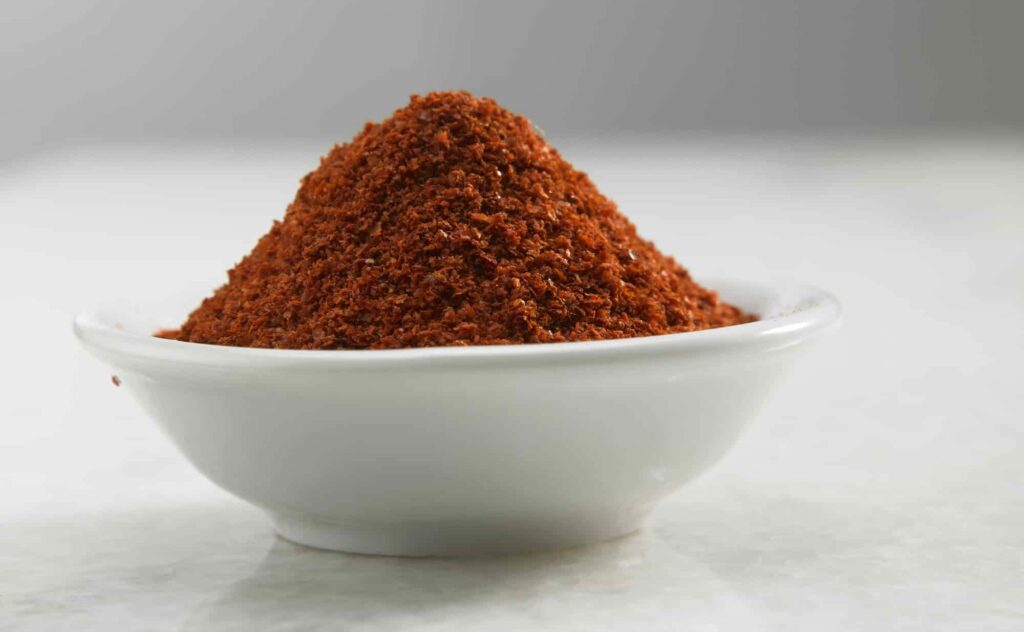
What does a chili powder label actually list?
Want to know what’s in your jar? Start with the label, though it won’t always tell you. Here’s McCormick’s chili powder in full: “Chili Pepper, Spices, Salt, Silicon Dioxide (to Make Free Flowing) and Garlic.” Whatever else goes in is folded into that one word, spices.
Is that allowed? It is. Under FDA labeling rules, spices can be declared together simply as “spice.” The exceptions are spices that also color food, like paprika and turmeric, which have to be named or listed as “spice and coloring.” Ingredients are also listed by weight, heaviest first, so the chiles at the front of both labels below are the largest single ingredient.
Simply Organic’s names everything, and the difference shows how much a plain “spices” can hide. Here are the two jars side by side with our own homemade blend.
| Ingredient | McCormick | Simply Organic | Our homemade blend |
|---|---|---|---|
| Chiles | Chili pepper | Chili powder | Paprika and cayenne |
| Cumin | Not named | Yes | Yes |
| Oregano | Not named | Yes | Yes |
| Garlic | Yes | Yes | Yes |
| Onion | Not listed | Not listed | Yes |
| Coriander, allspice, clove | Not named | Yes | No |
| Salt | Yes | No | No |
| Anti-caking agent | Silicon dioxide | Rice concentrate | None |
Ancho powder
The ancho is a dried poblano pepper, one of Mexico’s most popular chilies. Labels rarely say which chile is in the jar, but ancho is the classic choice, and it’s the chile Gebhardt imported for his. A blend made with ancho gets a distinctive maroon color that differs from the brighter red of other peppers like cayenne. Ancho gives chili powder a depth of flavor, sweet, smoky and earthy, along with a mild heat of 1,000 to 1,500 SHU.
Some recipes for homemade chili powder suggest using paprika instead of ancho. Regular paprika can provide a similar fruitiness, but it won’t bring the same heat or the same deep color. Our homemade version uses paprika and makes up the heat with cayenne.
Note: Some commercial chili powders use hotter chilies than anchos. Read the label carefully. If you see “hot” or “spicy,” then assume the spice blend has upgraded its heat source.
Cumin
As one of the fundamental spices in both Latin American and Indian cuisines, cumin delivers one of the essential flavor notes in chili powder. It brings an earthy and nutty note to the spice blend that enhances its savory qualities.
But its flavor can be intense and overpowering, so use it with a light hand. If you are making your chili powder from scratch at home, buy cumin seed and grind it yourself for the best flavor. Toast the seeds a little first, too.
Garlic
The garlic in chili powder is dried and ground garlic. Garlic is another savory spice that you will see in many chili powder blends, and both jars in the table name it. It goes well with meats and other savory food items, and it’s the perfect complement to the other ingredients in this seasoning blend.
Oregano
Oregano is the sole herbal ingredient in the standard chili powder blend. Its woodsy, minty note works mostly in the background. It is often so subtle that you might not even detect its presence except in how it augments the other ingredients. The fact that oregano and garlic pair well is evident in many Mediterranean dishes. Mixing your own? Our recipe calls for Mexican oregano if you have it.
Onion
Dried and powdered onion often makes an appearance in chili powder. Onion powder is optional, and it’s missing from both jars in the table. That said, it can provide an extra dimension to the spice blend’s flavor profile, and onion works well with all of the other chili powder spices.
Salt/Monosodium glutamate (MSG)
Some commercial blends may include salt or MSG as a means of providing a single seasoning option. McCormick’s jar includes salt, while Simply Organic’s doesn’t. We don’t recommend salted blends if you want to control the amount of salt in your dish precisely. MSG can enhance your chili’s flavor, but it is always best to add it separately for the same reason.
Other spices you might find
What else turns up? Look past the big four and you’ll find more. Simply Organic’s blend adds coriander, allspice and clove, alongside the usual cumin and oregano. Other blends add cayenne for heat, as ours does.
And then there’s the anti-caking agent, which keeps the powder loose in the jar. McCormick uses silicon dioxide “to make free flowing,” and Simply Organic adds a little organic rice concentrate. So a homemade blend, which has none, needs a shake before you use it.
Is chili powder spicy?
Usually not very. When the main chile is ancho, the heat stays mild, well under a jalapeño’s. A teaspoon of cayenne in a batch, as in ours, adds a noticeable kick without taking over. For the full answer, see is chili powder spicy?
Is chili powder the same as chile powder?
They’re different things. A jar named for a single chile, like ancho powder or ground chipotle, is usually just that chile, ground. Chili powder is the seasoning blend. That’s why one can’t always stand in for the other, and why recipes that call for chipotle powder want the smoke and heat of that one pepper.
The same mix-up happens with paprika and with crushed red pepper. Our paprika vs. chili powder and chili flakes vs. chili powder comparisons sort those out, and our chili powder substitute guide covers what to use when you run out.
Who invented chili powder?
According to the Handbook of Texas, William Gebhardt opened a café in 1892, and while he ran it he developed the powder, first called “Tampico Dust.” By 1896 he was selling bottles of Gebhardt’s Eagle Brand Chili Powder, and in 1898 he opened a factory in San Antonio.
The method was simple: dry the chiles and grind them with herbs into a seasoning powder. To supply it, he began importing ancho peppers by the wagonload from San Luis Potosí, Mexico. The Gebhardt name is still on chili powder jars today.
How to make your own chili powder
Why bother? A homemade batch lets you choose the chili pepper, the heat and the salt. Ours mixes up in five minutes from jars you probably already have.

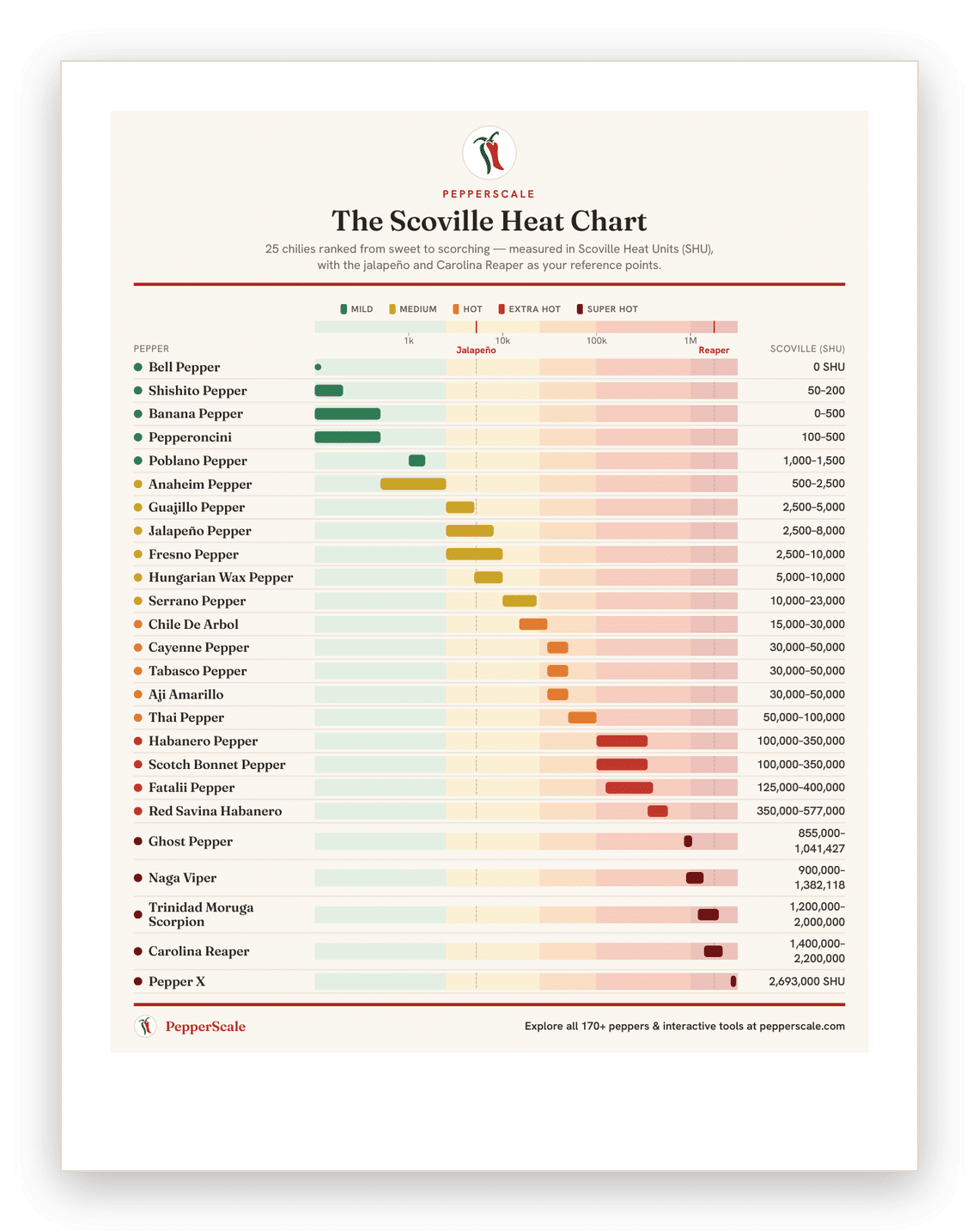
Get the free PepperScale Scoville Heat Chart
A printable, at-a-glance ranking of 25 chilies from sweet to scorching — with the jalapeño and Carolina Reaper as your reference points. Join the newsletter and we’ll send it straight to your inbox.
No spam — just Wicked Wednesday recipes and occasional extra dashes of chili pepper inspiration. Unsubscribe anytime.
Related reading
- Light Vs. Dark Chili Powder: How do these two spice blends compare?
- Homemade Green Chili Powder: Yes, not all takes on chili powder need to be red.
- Can Chili Powder Go Bad?: What’s the shelf life that you should expect?