The aji limo is one of Peru’s essential kitchen chiles — a small, intensely aromatic pod that carries the bright, citrusy heat behind the country’s national dish, ceviche. It belongs to the Capsicum chinense family, the same fruity, tropical branch as the habanero, but where the habanero is all lush tropical fruit, the aji limo leans sharper and more citric, with a distinctive lemony perfume that gives it its name (a nod to Lima, Peru’s capital). It ripens through a run of colors — green to yellow to orange to red, with a striking purple variety too — and any color can end up brightening a bowl of ceviche.
At 30,000 to 50,000 Scoville heat units, the aji limo brings real, noticeable heat (several times hotter than a jalapeño) but it never sacrifices flavor for fire. This is a chili prized for aroma and character as much as spice: fruity, floral, and unmistakably citrusy.

Last update on 2026-09-16. We earn a commission if you make a purchase, at no additional cost to you.
- Species
- C. chinense
- Origin
- Peru
- Uses
- Culinary
- Closest swap
- Lemon Drop
How hot is the aji limo?
The aji limo is a solidly medium-hot chili, running 30,000 to 50,000 Scoville heat units, right in line with the cayenne pepper in your spice rack. Against our reference point, the jalapeño (2,500 to 8,000 SHU), that makes the aji limo roughly four to twenty times hotter, so it’s a real step up from everyday heat.
That said, it sits well below the super-hots and even below its cousin the habanero (100,000 to 350,000 SHU). This is heat you can still taste around, enough to make ceviche sing without numbing the palate to the dish’s citrus and seafood. You’ll sometimes see higher numbers quoted for the aji limo; heat varies by grower and growing conditions, so treat any single pod with a little respect until you know it.
What does the aji limo look and taste like?
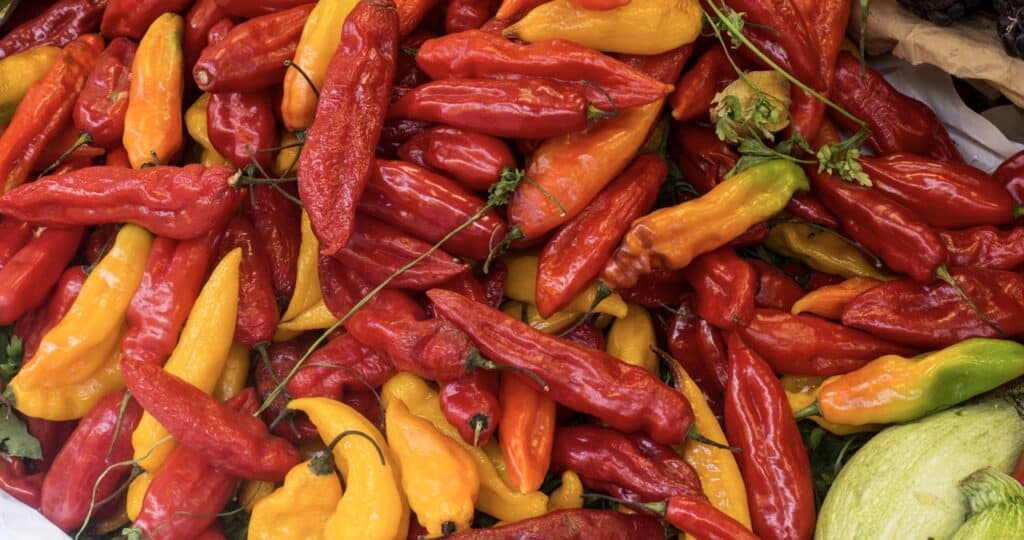
The aji limo is a small, slender, tapering pod, usually two to three inches long, with thin walls and smooth, glossy skin. It ripens through green, yellow, orange, and red, and there’s a well-known purple-black variety as well — in Peru, cooks use whatever color is on hand.
The flavor is the reason it’s beloved. Up front it’s fruity and floral in that unmistakable chinense way, but its signature is a bright, almost lemony citrus note that cuts through the heat. That aromatic citrus quality is exactly why it’s the classic chili stirred into leche de tigre, the tangy marinade that “cooks” the fish in ceviche. It’s punchy and perfumed rather than sweet and heavy — a lift, not a weight.
Aji limo colors and the aji limón name confusion
Two things trip people up with this pepper. First, color: the aji limo isn’t one look but several, since it’s eaten at any ripeness from yellow through red (plus the purple type). The flavor stays broadly the same; the color is mostly cosmetic in the pot.
Second — and more confusing — is the name. The aji limo (Capsicum chinense) is frequently mixed up with the lemon drop pepper, which is also called aji limón and is likewise a citrusy Peruvian chili. But they’re different peppers: the lemon drop is a milder Capsicum baccatum (15,000 to 30,000 SHU) with a cleaner, sharper lemon note, while the aji limo is a hotter chinense with more tropical, floral depth. We break the two down side by side in our aji limo vs. aji limón comparison.
What is a good aji limo substitute?
The closest easy find is the habanero or scotch bonnet — same fruity chinense family, though a big step up in heat, so use less. For a match closer in heat and Peruvian spirit, reach for aji amarillo, and for the citrus side of the aji limo, the milder lemon drop works well. We cover the full lineup, ranked by how well each keeps the aji limo’s fruity-citrus character, in our aji limo substitutes guide.
Cooking with the aji limo
The aji limo is used fresh, and it shines raw or barely cooked, where its citrus aroma is at its brightest. Its home turf is Peruvian seafood: minced or blended into the leche de tigre for ceviche and tiradito, where its heat and lemony perfume are essential. Beyond that, it lifts fresh salsas, aji sauces, marinades, and anything that wants a fruity, citric kick.
A few tips:
- Handle with gloves. At cayenne-level heat, the aji limo can leave a burn on your skin and eyes. Glove up when mincing.
- Add it late for aroma. Its best quality is the fresh citrus perfume, which fades with long cooking. Stir it in near the end, or use it raw.
- Control the heat with the seeds and pith. Most of the capsaicin rides in the inner membrane; remove it for a gentler, more purely aromatic result.
- Any color works. Yellow, orange, red, or purple all bring the same essential flavor, so cook with whatever you can find.
How to pair the aji limo
The aji limo sits in our Fruity & Tropical flavor group: bright, citrusy, and floral over real heat. Once you know a chili’s group, pairing it becomes method rather than guesswork. We sort partners three ways: congruence (echo a flavor the chili already has), contrast (set an opposing element against it to balance), and synergy (combine to build something neither has alone). (Explore more with our Chili Pepper Flavor Pairing Tool and learn more about the flavor pairing system in our book, The Capsaicin Code.)
Congruence — echo what’s already there. Lean into its citrus and fruit.
- Lime: Its lemony aroma echoes the citrus of the leche de tigre — the heart of ceviche.
- Cilantro: A fresh, citrusy herb that reinforces the brightness.
- Mango: Tropical sweetness that amplifies the chinense fruitiness.
- Passion fruit: Maracuyá’s tang plays right into the pepper’s own aroma.
- Garlic: The savory backbone of Peruvian aji sauces.
Contrast — set an opposite against it. The aji limo is sharp and hot, so cooling, sweet, or starchy partners balance it.
- Red onion: A sharp, sweet bite against the fruity heat.
- Sweet potato: Peru’s cooling camote, the classic sweet counterpoint in a ceviche bowl.
- Avocado: Creamy coolness that softens the sharp heat.
Synergy — build something new. Combined with these, the aji limo becomes a dish.
- White fish: Cured in lime and aji limo, raw fish becomes ceviche itself.
- Scallops: The base of a bright, fiery tiradito.
- Ginger: A modern aromatic lift in leche de tigre.
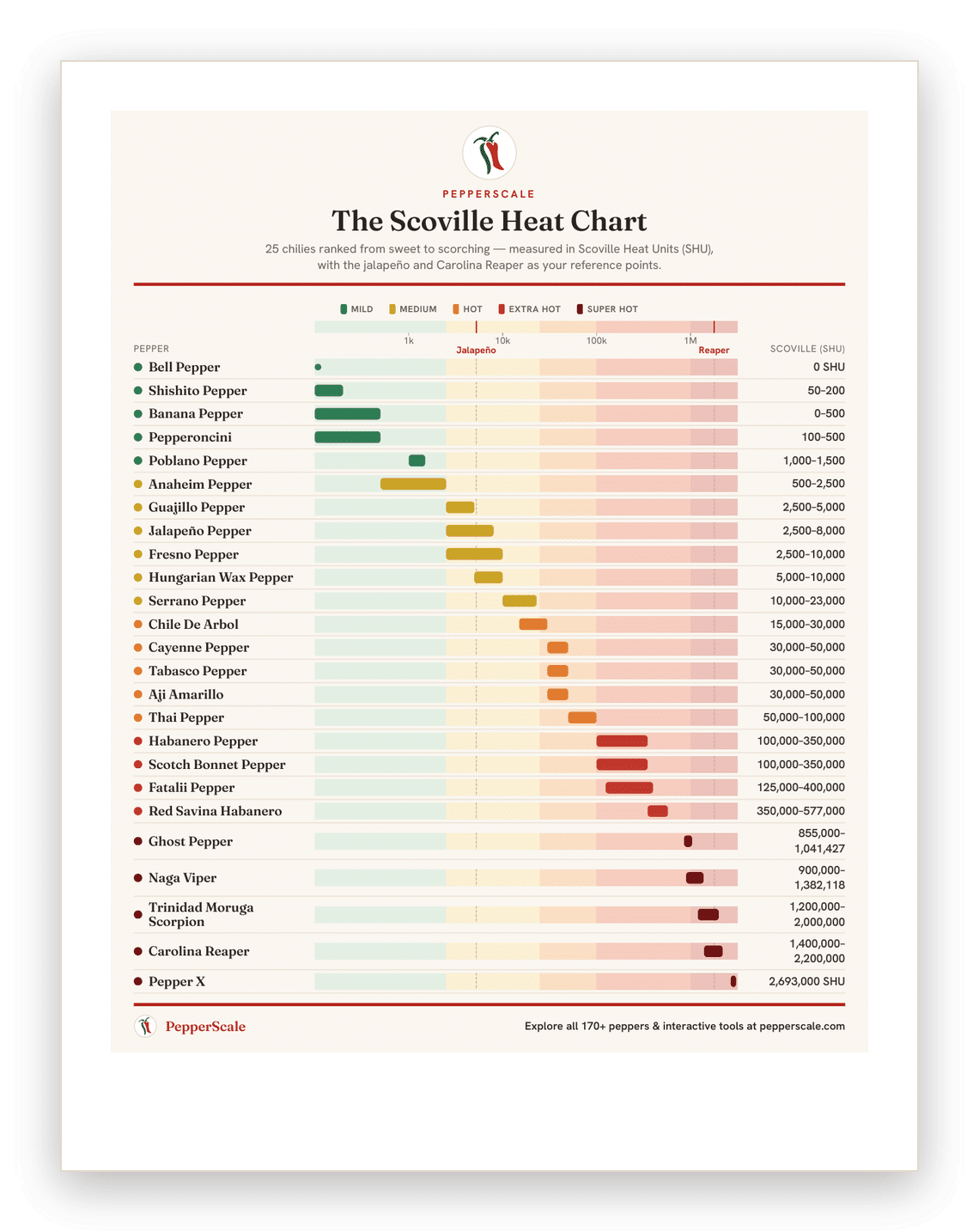
Get the free PepperScale Scoville Heat Chart
A printable, at-a-glance ranking of 25 chilies from sweet to scorching — with the jalapeño and Carolina Reaper as your reference points. Join the newsletter and we’ll send it straight to your inbox.
No spam — just Wicked Wednesday recipes and occasional extra dashes of chili pepper inspiration. Unsubscribe anytime.
Related reading
- The Hot Pepper List: Explore 170-plus chilies, searchable by name, flavor, heat, and origin.
- Scotch Bonnet Pepper Guide: A fruity chinense cousin worth knowing once you’ve fallen for the aji limo’s tropical side.
- Our Hot Sauce Rankings: 100-plus hot sauce reviews, searchable by the chilies used in each one.