The aji limo is a hard chili to replace, because you’re really replacing two things at once: a solid medium heat (30,000 to 50,000 Scoville heat units) and a very specific bright, citrusy, floral aroma. Reach for the wrong stand-in and you can match the fire while losing the perfume that makes ceviche taste like ceviche. So before you grab whatever’s in the crisper, decide what matters most for your dish: the heat, the fruity-citrus character, or both.
The aji limo sits in what we call the Fruity & Tropical flavor family: fruit-forward, aromatic, and (in the aji limo’s case) distinctly citric. Stay inside that family and a swap keeps the pepper’s spirit, changing mostly the heat level. Step outside it (to a clean, flavorless heat source) and you keep the burn but lose the soul of the dish.

Last update on 2026-10-16. We earn a commission if you make a purchase, at no additional cost to you.
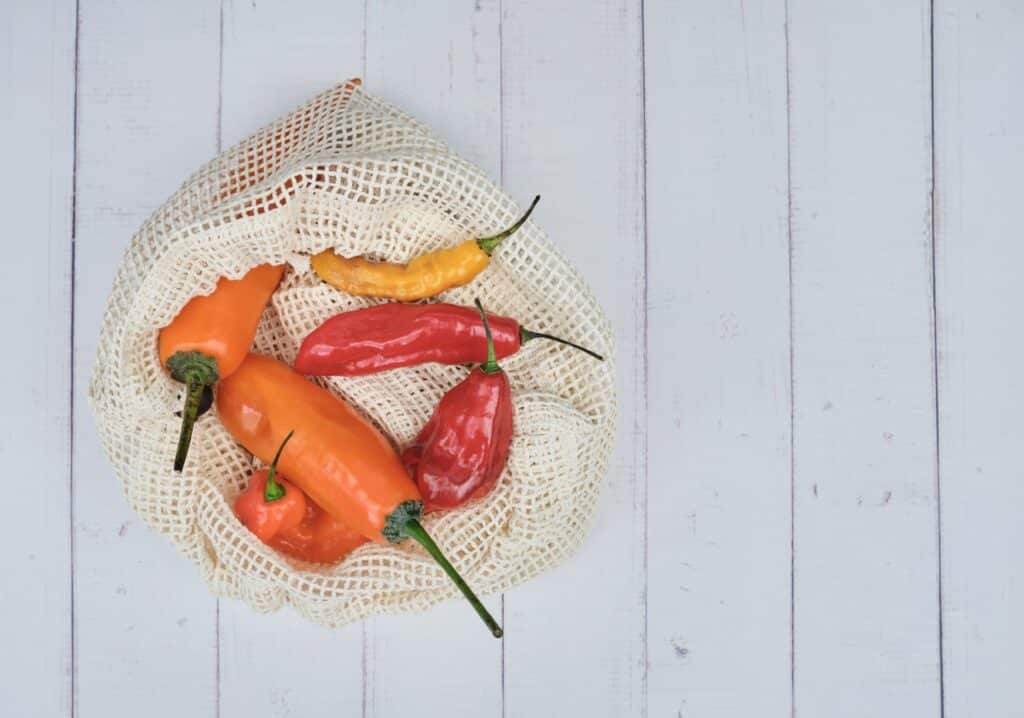
The best swaps: peppers in the aji limo’s flavor family
These all live in the Fruity & Tropical family, so each keeps some of the aji limo’s fruity, aromatic character. They’re ordered roughly by how easy they are to find and how close they land, with heat noted against the aji limo’s own 30,000 to 50,000 SHU.
Aji amarillo: the Peruvian match
If you can find it, aji amarillo is the most natural swap — a fellow Peruvian chili at nearly identical heat (30,000 to 50,000 SHU) with the same fruity brightness, if a touch less lemony. It’s also the easiest of the Peruvian ajies to buy as a jarred paste, which makes it a practical everyday stand-in.
Lemon drop (aji limón): closest on citrus, milder
The lemon drop, also called aji limón, is the substitute to reach for when the citrus note matters most. It’s milder (15,000 to 30,000 SHU) and a different species, but its clean, sharp lemon flavor is arguably even more citrus-forward than the aji limo’s. Use a bit more to make up for the lower heat.
Fatalii: citrus with a serious kick
For cooks who want the aji limo’s citrus and more heat, the fatalii delivers a bright, lemony chinense flavor at a much higher 125,000 to 400,000 SHU. It’s a flavor bullseye but a heat leap, so start with a fraction of what the recipe calls for.
Habanero or scotch bonnet: easy to find, much hotter
The habanero and scotch bonnet are the most widely available chinense chilies, sharing that fruity-tropical family character. They run far hotter (100,000 to 350,000 SHU) and lean more tropical than citric, so use roughly a quarter to a third as much and add a squeeze of lime to nudge them toward the aji limo’s brightness.
One to skip: cayenne and other “just heat” chilies
It’s tempting to sub in cayenne since it matches the aji limo’s heat almost exactly (30,000 to 50,000 SHU). But cayenne is essentially clean, neutral fire — none of the fruit, none of the citrus, none of the floral aroma. Drop it into a ceviche and you’ll get the burn without the brightness the dish is built on. The same goes for other neutral, green, or purely earthy chilies: fine when heat is genuinely all you need, wrong when the aji limo’s aroma is the point.
Aroma without the fresh pod: pantry options
Fresh aji limo is hard to find outside Peru and specialty markets, so pantry forms are often the realistic route:
- Aji amarillo paste is the single most useful stand-in, jarred, shelf-stable, and widely sold in Latin groceries and online.
- Dried aji limo (or aji limo powder) keeps the pepper’s own flavor when you can’t get it fresh; rehydrate or stir in to taste.
- A habanero-based hot sauce with lime can approximate the heat-plus-citrus effect in a pinch; our pepper conversion tool helps you dial in the amount.
Match the substitute to the dish
- Ceviche and tiradito: aji amarillo for authenticity, or lemon drop if you want the citrus with less heat.
- When you want more fire: fatalii (citrusy) or habanero/scotch bonnet (tropical), both used sparingly.
- Aji sauces and marinades: aji amarillo paste is the easy, reliable base.
- Just need heat, aroma optional: cayenne or red pepper flakes, but expect to lose the citrus.
How much should you use?
Heat varies pod to pod, so treat every ratio as a starting point:
- Aji amarillo: roughly one-for-one; no real adjustment needed.
- Lemon drop: use a bit more to make up for the lower heat, and enjoy the extra citrus.
- Fatalii, habanero, or scotch bonnet: start with about a quarter to a third as much, then taste and build. The dish heat calculator takes the guesswork out.
- Add a squeeze of lime with the hotter chinense swaps to steer them toward the aji limo’s brightness.
Pulling it all together
The aji limo is a fruity, citrusy, aromatic chili that just happens to be hot, so the best substitutes are other fruity, aromatic chilies, with the heat dialed to match. Stay in the Fruity & Tropical family (aji amarillo, lemon drop, fatalii, habanero, scotch bonnet) and your dish keeps its character. Reach outside it only when heat is truly all you’re after, and know you’ll be trading away the citrus perfume that makes the aji limo special.
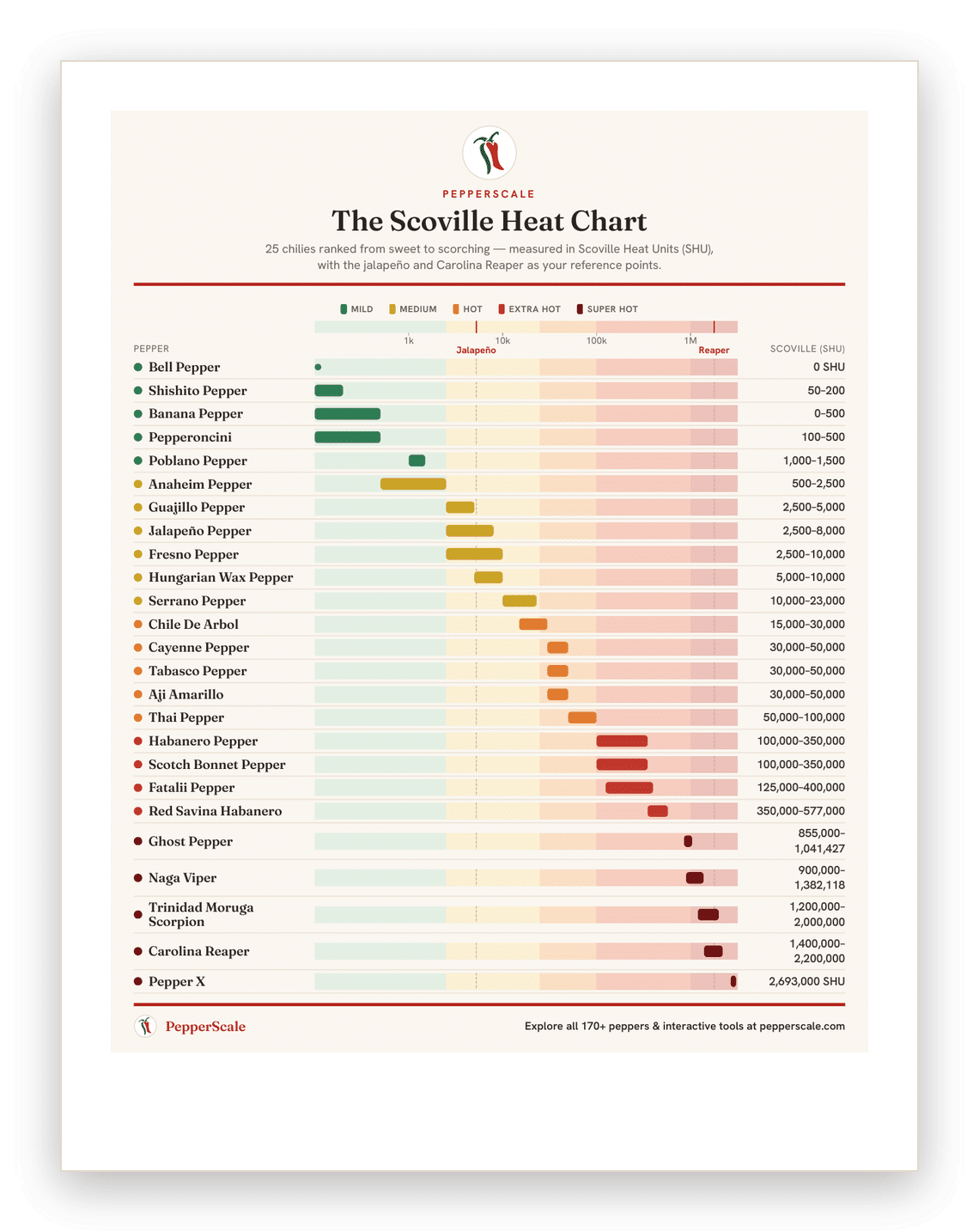
Get the free PepperScale Scoville Heat Chart
A printable, at-a-glance ranking of 25 chilies from sweet to scorching — with the jalapeño and Carolina Reaper as your reference points. Join the newsletter and we’ll send it straight to your inbox.
No spam — just Wicked Wednesday recipes and occasional extra dashes of chili pepper inspiration. Unsubscribe anytime.
Related reading
- The Hot Pepper List: If none of these are quite right, we profile 170-plus chilies, searchable by heat, flavor, and origin.
- Aji Limo Guide: The full profile — heat, flavor, cooking, and pairings for the pepper you’re replacing.
- Chili Pepper Flavor Pairing Tool: See which ingredients play to the aji limo’s fruity-citrus strengths before you finalize a swap.