Chili crisp is a Chinese chili oil loaded with crunchy solids: fried garlic, shallots, chili flakes, and often fermented soybeans, all suspended in a savory, spicy oil. It’s the condiment spice lovers reach for to lift eggs, noodles, dumplings, and just about anything else. Here’s what it is, where it came from, and how to put it to work.


Last update on 2026-09-21. We earn a commission if you make a purchase, at no additional cost to you.
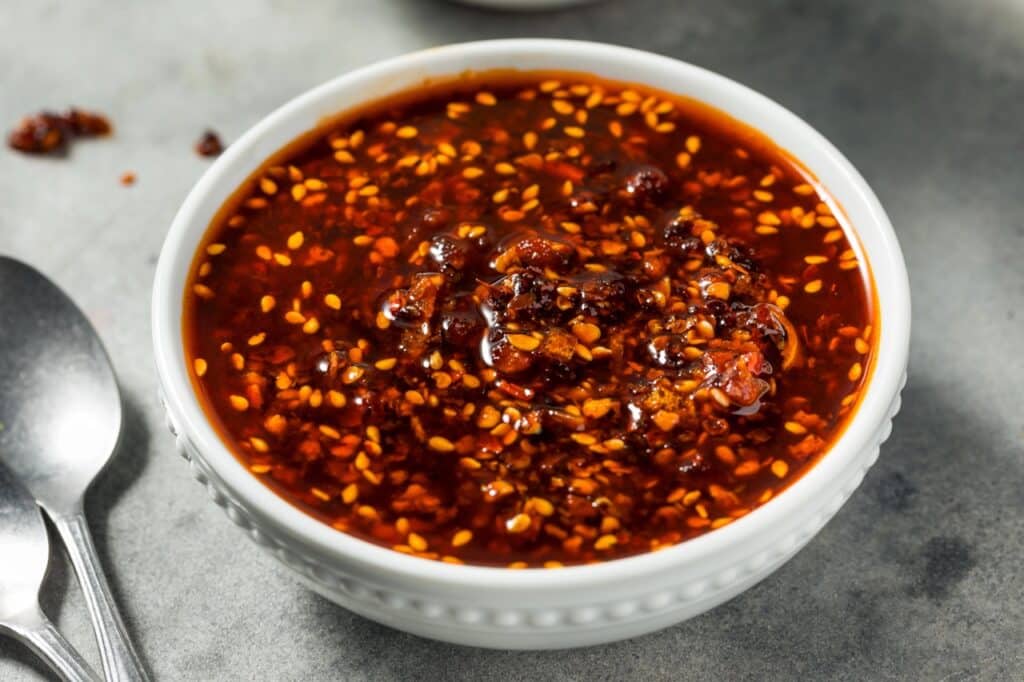
What is chili crisp?
Chili crisp is chili oil with a payload. Where a plain chili oil is mostly smooth infused oil, chili crisp is packed with crunchy bits that hold their texture in the oil: fried garlic, fried shallots, toasted sesame seeds, coarse chili flakes, and, in many versions, fermented soybeans and Sichuan peppercorn.
That crunch is the whole point, and it’s where the “crisp” in the name comes from. You’ll also see it sold as “chili crunch,” which is the same idea under a different name. Spoon some out and you get equal parts spicy oil and savory, crackly texture.
Where does chili crisp come from?
Chili oils have a long history across China, but the jar that made chili crisp famous is Lao Gan Ma, which means “Old Godmother.” Tao Huabi began making her chili sauce in the 1980s in Guizhou province and formally founded the Lao Gan Ma company in 1997. Her crispy chili in oil, with her face on every jar, now sells in more than 30 countries and is the reference point most people picture when they think of chili crisp.
In the late 2010s the category took off in the West, led by brands like Fly By Jing and Momofuku. It even had a public moment in 2024, when Momofuku tried to enforce a trademark on the term “chili crunch” and, after pushback from other makers, backed off and let the name stay generic. The short version: chili crisp belongs to everybody.
What is chili crisp made of?
The base is always the same idea. Dried chilies and aromatics are fried or steeped in oil until the oil takes on their flavor and the solids turn crunchy. From there, recipes vary. Common building blocks are coarse chili flakes (mild ones for color, hotter ones like chile de árbol for the bite), fried garlic and shallots, toasted sesame seeds, and fermented black soybeans for a deep savory kick. Many Sichuan-style versions add ground Sichuan peppercorn, plus a little sugar, salt, and MSG to round everything out. The oil matters as much as the solids: a chili’s richest flavors are oil-loving, so frying everything in fat pulls out toasty, nutty notes that a water-based hot sauce never captures.
Is chili crisp spicy?
Usually less than you’d expect. Most chili crisp lands in the mild-to-medium range, closer to a warm hum than a punishing burn, because the heat is spread through a lot of oil and eaten by the spoonful. It does vary by brand and recipe, so some run hotter than others. One sensation that often gets mistaken for heat is the tingle from Sichuan peppercorn: a citrusy, buzzing, slightly numbing feeling on the lips and tongue that many chili crisps carry. It isn’t chili heat at all, but it’s a big part of what makes the Sichuan style feel so alive.
How to use chili crisp
The honest answer is on everything. Spoon it over a fried or jammy egg, stir it through noodles or fried rice, drizzle it on dumplings or steamed fish, or add a spoonful to soups and broths. It’s great brushed onto roasted vegetables or grilled meat in the last minute of cooking, stirred into mayo for a sandwich spread, or whisked into a salad dressing. Adventurous cooks even spoon it over vanilla ice cream, where the sweet, salty, and spicy play off one another better than it sounds. A little goes a long way, so start with a spoonful.
Can you make chili crisp at home?
Easily, and it beats most jars when you do. Homemade chili crisp gives you control over the heat, more of the crunchy bits, and a fresher flavor, and it comes together in under an hour. The method is simple: fry garlic and shallots low and slow until golden, infuse the oil with a few whole spices, then pour the hot oil over your chili flakes to bloom them. Our homemade chili crisp recipe walks through the whole thing, including how to dial the heat up or down.
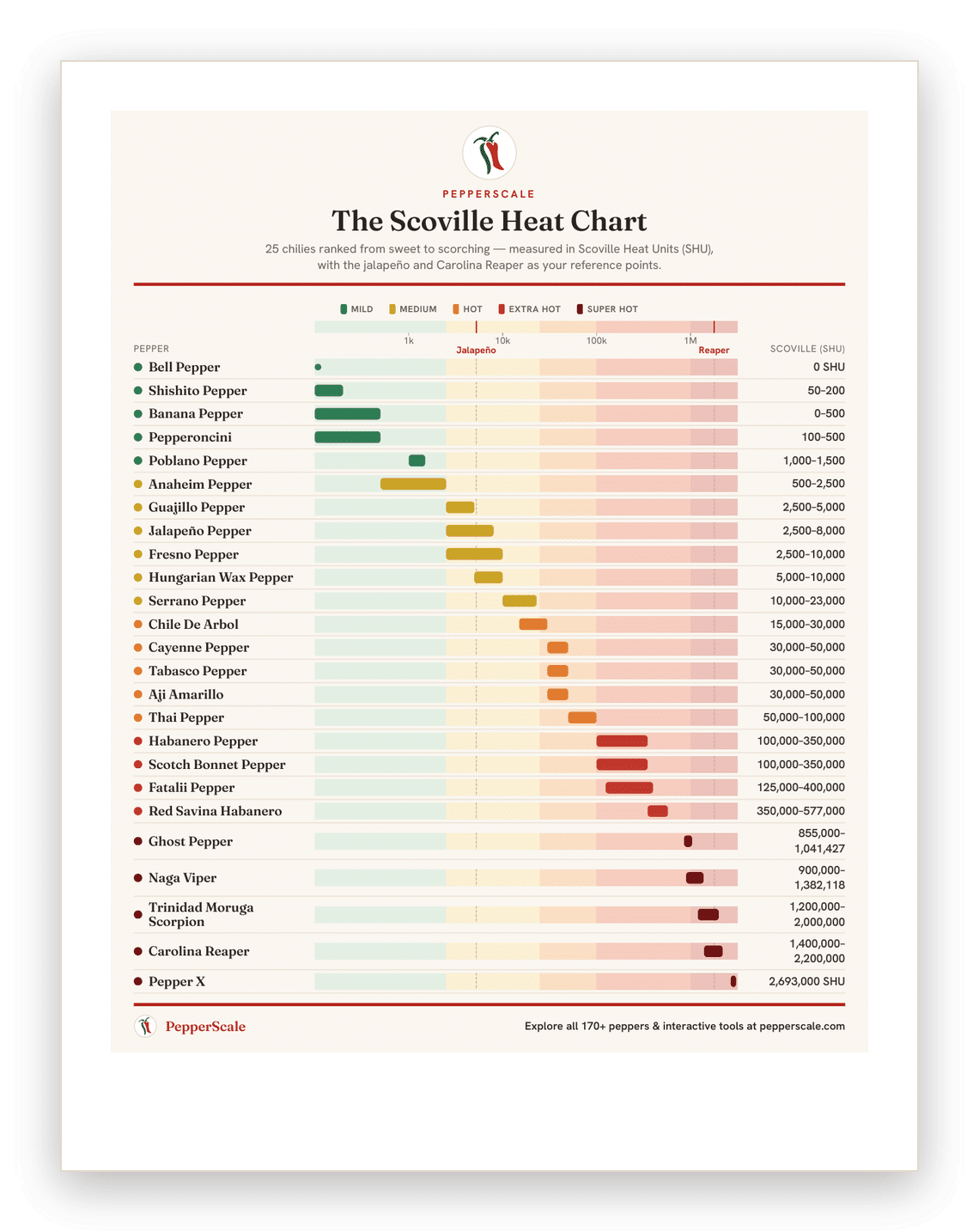
Get the free PepperScale Scoville Heat Chart
A printable, at-a-glance ranking of 25 chilies from sweet to scorching — with the jalapeño and Carolina Reaper as your reference points. Join the newsletter and we’ll send it straight to your inbox.
No spam — just Wicked Wednesday recipes and occasional extra dashes of chili pepper inspiration. Unsubscribe anytime.
Related Reading
- Our Hot Sauce Rankings: Our picks for the best bottles out there, sorted by heat and by style.
- What Is Gochujang?: The fermented Korean chili paste behind so much sweet, savory, slow-building heat.
- The Hot Pepper List: Browse chilies by heat level and flavor to find your next favorite.