Paprika is one of the most recognizable spices in the pantry, valued as much for its vivid red color as for its gentle, pepper-forward flavor. It appears everywhere, from classic deviled eggs and potato salads to stews, soups, rubs, and sauces. Yet despite its ubiquity, paprika is often misunderstood and underutilized.
When treated thoughtfully, paprika adds warmth, subtle sweetness, and visual appeal that few other spices can match. This guide walks through how paprika works, how to choose the right type, and how to use it in ways that elevate everyday cooking.


Last update on 2026-09-25. We earn a commission if you make a purchase, at no additional cost to you.
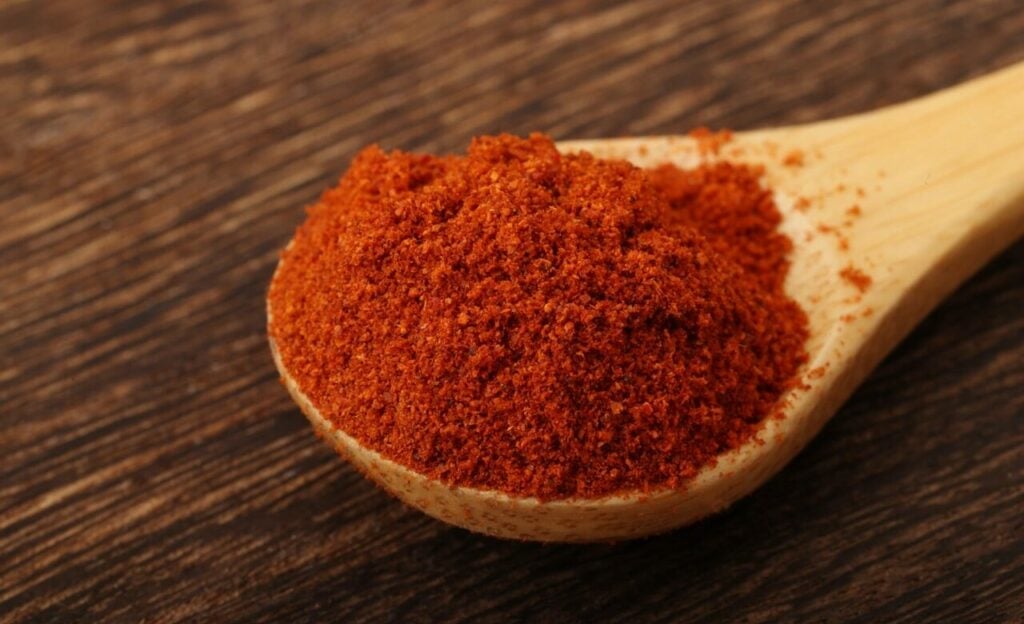
What Paprika Is And Why It Varies So Much
At its core, paprika is made from dried and ground red peppers, most commonly varieties of Capsicum annuum. What makes paprika unique is not the base ingredient but the processing. The type of pepper, whether the seeds are included, how the peppers are dried, and whether smoke is involved all influence the final flavor.
This is why paprika can taste mild and sweet in one jar, earthy and smoky in another, and gently spicy in a third. Unlike many spices with a narrow flavor range, paprika is a category rather than a single flavor. Understanding this variability helps explain why recipes that call for specific styles of paprika are often very precise.
Learn More: Is Paprika Spicy?
The Main Types Of Paprika
Sweet paprika is the most widely available and commonly used variety. It has a mild, slightly fruity flavor with no noticeable heat. This makes it ideal for dishes where paprika is meant to add warmth and color rather than spice, such as egg dishes, potato recipes, creamy sauces, and mild soups.
Hot paprika introduces a gentle heat that builds slowly without overwhelming the palate. It is well suited for stews, braised meats, and heartier dishes where a little warmth enhances the overall flavor without turning the dish spicy.
Smoked paprika stands apart due to its drying process over wood fires, often oak. This gives it a deep, smoky character that can add the impression of long cooking or grilling even in quick recipes. It works particularly well in bean dishes, roasted vegetables, barbecue rubs, and sauces where smokiness adds depth.
Hungarian and Spanish paprikas are the most commonly referenced regional styles. Both offer sweet, hot, and smoked versions, but their flavor profiles differ enough that substituting one for the other can noticeably change a dish.
Learn More: Hungarian Vs. Spanish Paprika – How Do They Compare?
How Much Paprika To Use
Paprika is a mild spice by design, even when labeled hot. It is intended to be used in larger quantities than many other ground spices. Measuring paprika by the teaspoon or tablespoon is common and often necessary to fully express its flavor.
Because paprika contributes aroma, sweetness, and color more than heat, it integrates smoothly into dishes without overpowering them. Underusing paprika is far more common than adding too much, especially in soups, stews, and rubs where its flavor needs volume to stand out.
When To Add Paprika During Cooking
Timing plays a major role in how paprika performs. Extended exposure to high heat can mute its flavor and dull its color, while gentle cooking allows it to shine.
In liquid-based dishes like soups, stews, and braises, paprika can be added earlier because the presence of liquid protects it from scorching. In sautéed dishes, paprika should be added briefly or incorporated just before liquid ingredients to preserve its character.
Paprika also works exceptionally well as a finishing spice. Adding a final sprinkle just before serving refreshes aroma and color, reinforcing flavors that may have softened during cooking.
Cooking Paprika In Fat (Blooming) Without Burning It
Blooming paprika in fat is a classic technique, especially in Hungarian cuisine. This method quickly releases paprika’s color and aroma, creating a flavorful base for many dishes. However, it is also where many cooks go wrong.
Paprika burns extremely easily due to its natural sugar content. Even a few seconds over high heat can turn it from vibrant red to bitter brown. Once burned, paprika cannot be salvaged and will negatively affect the entire dish.
To bloom paprika successfully, always use low heat, stir constantly, and limit cooking time to just a few seconds. Adding broth, wine, or water immediately after blooming helps regulate temperature and prevents scorching.
Pairing Paprika With Other Ingredients
Paprika thrives in dishes that contain fat and ingredients that carry flavor well. Eggs, potatoes, poultry, pork, beans, rice, and creamy sauces all benefit from paprika’s warmth and subtle sweetness.
It also pairs naturally with garlic, onion, cumin, caraway, bay leaf, and black pepper. In many cuisines, paprika works as a bridge spice, tying together savory, sweet, and smoky elements into a cohesive whole rather than standing out on its own. See below for a table of common herb and spice pairings and how the flavors work together:
| Spice | Why it pairs well with paprika | Best uses |
|---|---|---|
| Garlic powder | Enhances paprika’s savory depth and mild sweetness | Rubs, roasted vegetables, poultry |
| Onion powder | Rounds out paprika’s flavor and adds gentle sweetness | Soups, stews, sauces |
| Black pepper | Adds sharp contrast and mild heat | Eggs, meats, dry rubs |
| Cumin | Brings earthy warmth that complements paprika’s fruitiness | Chili, beans, tacos |
| Coriander | Adds citrusy brightness that lifts paprika | Sausages, marinades, rubs |
| Caraway seed | Traditional pairing that deepens savory dishes | Stews, cabbage, pork |
| Bay leaf | Supports paprika in slow cooked dishes | Soups, braises |
| Cayenne pepper | Boosts heat without masking paprika’s flavor | Rubs, sauces |
| Chili powder | Adds complexity and heat alongside paprika | Chili, barbecue |
| Smoked paprika | Reinforces smoky depth when layered carefully | Barbecue, roasted meats |
| Thyme | Adds herbal balance to paprika’s warmth | Chicken, vegetables |
| Oregano | Complements paprika in Mediterranean style dishes | Tomato sauces, grilled meats |
Using Paprika For Color and Presentation
Paprika is one of the most visually impactful spices in the kitchen. Its red hue instantly adds warmth and richness, making dishes appear more inviting.
A light dusting of paprika on deviled eggs, hummus, soups, or roasted vegetables just before serving enhances presentation without altering texture. Even when flavor impact is minimal, the visual improvement is significant and intentional.
Storing Paprika For Maximum Freshness
Paprika’s fine grind gives it a large surface area, which accelerates flavor and color loss. To slow this process, store paprika in an airtight container away from heat and direct light.
For best results, replace paprika every six months. Fresh paprika should smell lightly sweet and peppery. If it smells flat, dusty, or faint, it is no longer contributing much to your cooking.
While color can be a helpful indicator, aroma and taste are more reliable signs of freshness. Bright color without aroma often means the spice has already lost much of its flavor.
Exploring Paprika Beyond Powder
Powdered paprika is the most common form, but paprika paste offers a different and often more intense experience. Paste delivers concentrated flavor and blends seamlessly into sauces, marinades, and stews.
Using paprika paste instead of powder can deepen flavor while adding body to a dish. It is especially useful in slow cooked recipes where the spice needs to remain present after long simmering.
Paprika And Heat Expectations
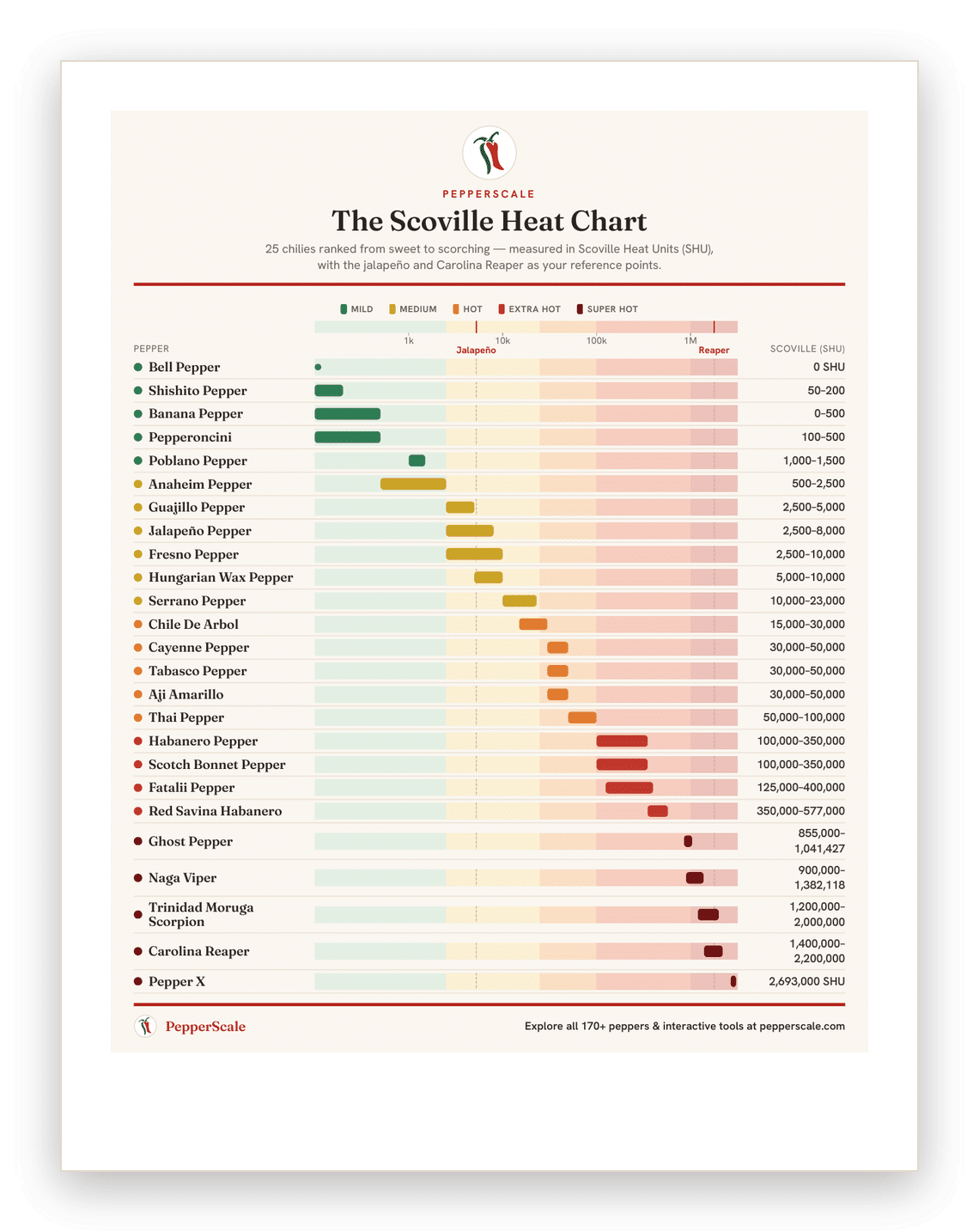
Paprika should not be relied on for bold heat. Even hot varieties are relatively restrained compared to chili powders like cayenne or crushed red pepper.
For dishes that need both paprika’s flavor and significant heat, pairing it with a hotter chili powder is the best approach. This preserves paprika’s color and aroma while allowing precise control over spice level.

Related Posts
- Smoked Paprika Potato Chips: One of our favorite homemade snacks – mildly spicy and a touch smoky.
- What’s A Good Paprika Substitute? What are your options if you have none in the spice rack?
- Too Much Paprika? Here’s how you can fix your dish.
What paprika is the brightest red? Spanish 110 asta, 160 asta or Hungarian?
“Do add paprika early in the cooking process Paprika’s color and flavor are both diminished the longer the spice is cooked. Add it near the end of your dish’s cooking time to get its full effect. ” Both methods work amd sometimes both in the same dish! Actually, no one knows more about Paprika than the Spanish although the Turks, Macedonians, Bulgarians and Hungarians come close for a 4 way tie in second place!. Paprika can be cooked from the beginning and it will lose some color. Solution is to addf it twice, once at beginning of sauce or gravy… Read more »