The ingredients list for a standard salsa recipe includes some of the most versatile ingredients in the world: tomatoes, onions, and cilantro. And, of course, for many salsas: chili peppers. If you have run out of ideas for using salsa and have leftovers, you still have options. Plenty of them, in fact, sorted below by what you want the salsa to do: cook into a dish, season something from the inside, become another sauce, or go on top.
Before taking any steps with that extra salsa, consider when you last opened the jar. Salsa can go bad. If it has been weeks (or months), then it may be best to simply throw it out, even if it has been in the refrigerator. You can also opt to freeze extra salsa, though that comes with some cons as well. Consider how quickly you can use it vs. our options below.
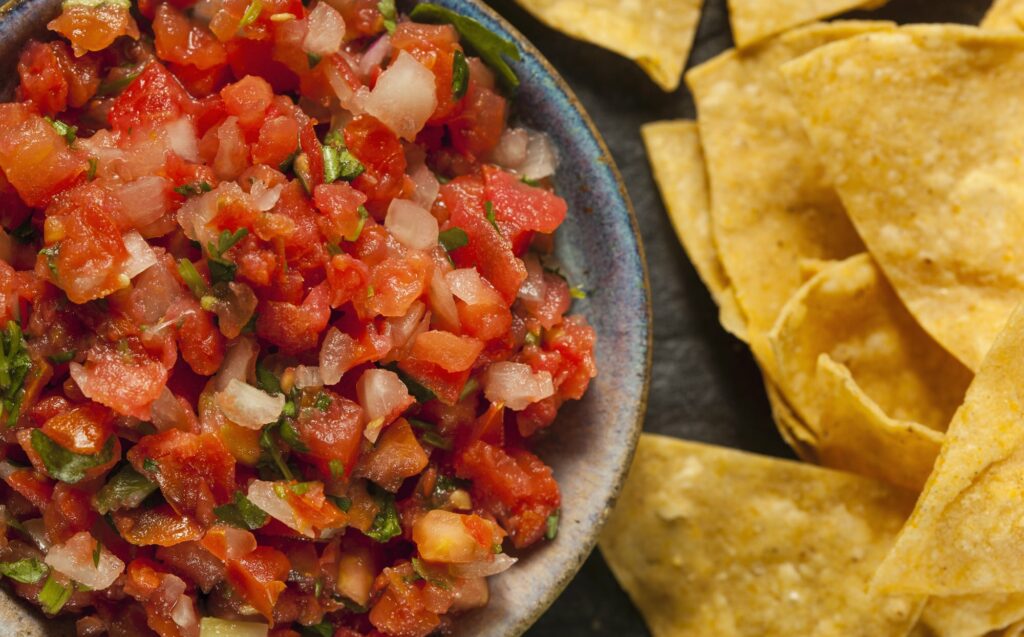
What salsa brings to a dish
Read the ingredients list of your salsa (and any recipe instructions you have) before using it in pairings. Beyond those fresh tomatoes or tomatillos, a basic salsa (red or green) often contains many spices, including salt, fresh cilantro, and ground cumin. If you add salsa, you may not need to spice your dish any more than what the salsa provides.
So treat a spoonful as several ingredients at once: tomato or tomatillo, onion, chili heat, salt, and a sour edge from lime juice or vinegar. Taste first, then decide on more salt or acid. Heat’s what varies most, since jars come labeled mild, medium or hot and homemade batches run anywhere you like. Our guide to the types of salsa covers what each kind is built on.
What about texture? Jarred salsa carries a lot of liquid, and fresh salsa keeps weeping juice the longer it sits. Anything that should stay thick, like a dip or a filling, wants the salsa drained in a sieve first. Anything that simmers can take the liquid, so pour it in.
Cook it into the dish
In these, salsa replaces the chopped onion, tomato, garlic and chili you’d otherwise start with. Cooked or jarred salsas suit this best, though fresh works fine once it hits the heat.
Cook rice in it
Sometimes called Mexican rice or red rice, Spanish rice recipes typically require all or most of the ingredients that you might see in a typical salsa roja recipe. Having a pre-made salsa ready to go eliminates a few steps and makes the preparation easier. Toast the rice in a little oil, stir in the salsa, then add stock or water, using a bit less liquid than usual to allow for the salsa. Salsa taquera, salsa verde, and corn salsa all can be used to make versions of Spanish rice.
Our spicy Mexican rice calls for half a cup of tomato sauce, and the same amount of salsa can go in its place. Use vegetable stock or water for the liquid and it’ll stay vegan.
Simmer tortillas in it
Chilaquiles are a breakfast built for using up stale tortillas. Fried tortilla pieces get simmered in red or green salsa just long enough to soften at the edges, then topped with crema, cheese, onion and often a fried egg. Got a bag of broken tortilla chips? Those work too, so long as you serve them straight away.
Our chilaquiles roast a salsa roja from scratch with cherry tomatoes and cayennes, but a jar of red salsa can stand in when you’re short on time.
Poach eggs in it
What about breakfast? Warm a cup or two of salsa in a skillet until it bubbles, make a few wells, and crack an egg into each. Cover the pan and cook until the whites are set, then serve it with warm tortillas. Huevos rancheros take the other route, with fried eggs set on tortillas and warm salsa spooned over the top. Our huevos divorciados go one step further and give each egg its own homemade salsa, one red and one green.
Braise meat in it
Got a full jar to use? It’s a ready-made braising liquid. Put chicken thighs or chunks of pork shoulder in a slow cooker or covered pot, pour salsa over them, and cook low until the meat shreds with a fork. Add a splash of stock if your salsa is thick. That’s taco or burrito filling for a crowd. So with tomatillo salsa verde and pork, you’re close to the idea behind chile verde.
Stir it into chili
A typical red salsa will have most of the ingredients needed for a flavorful chili. Not only will it have chili peppers for a source of heat, but it will also have tomatoes and onions. You have the option of sweating the salsa at the start with your meat or pureeing it to add later for a wetter texture.
Add it to soup
Salsa is a good addition to soup because it gives the soup a kick of flavor. The salsa’s spices (and potentially spiciness) add a depth of flavor that can’t be matched by just using herbs alone. It works best with soups with a tomato base, but salsa can work in other cases too. Adding it as a topper to a bowl of cheese soup (like our beer cheese soup) is a good use case here.
For a quick tortilla-style soup, simmer salsa in chicken broth with shredded chicken and a can of black beans, then top each bowl with crushed chips. Soup is also where frozen salsa earns its keep, since the softer texture it has after thawing won’t show in the pot.
Season something from the inside
Here the salsa disappears into something else. Its job? Seasoning.
Mix it into meatloaf or meatballs
Salsa does the work of the onion, the seasoning and some of the liquid in a meatloaf or a batch of meatballs. Drain it first if it’s watery. Our simple spicy salsa meatloaf takes this as far as it goes. It mixes an entire 15-ounce jar into the meat.
Use it as a marinade
The flavor profile of salsa allows it to work well as a seasoning. From the onion and lime juice to the garlic that you find in some salsa recipes, salsa can make a great marinade. Spoon it over chicken, fish, or pork that you plan to roast or grill. Blend a chunky salsa smooth first so it coats evenly. Keep fish to about 30 minutes, since a long soak in anything with lime juice softens it.
Marinate in the fridge, not on the counter. Want some salsa to serve with the cooked meat? Set it aside before the raw meat goes in. And don’t reuse the salsa the meat sat in unless you bring it to a full boil first.
Season taco or fajita meat with it
Another way to use it is to add it to ground or shaved beef to make meat for tacos or fajitas. Brown the beef, season it with a spoonful of our homemade taco seasoning, then stir in salsa where a packet would have you add water, and simmer until it’s thick. Fajita marinades usually lean on lime juice, and salsa brings that tartness along with everything else. Our chipotle chicken fajitas already suggest salsa on the side, so you could use the same jar for both jobs.
Layer it into enchiladas or a casserole
Spoon salsa over rolled enchiladas in place of enchilada sauce, salsa verde especially. Or layer it between tortillas, beans, meat and cheese and bake it like a lasagna. Our Mexican lasagna already stirs salsa roja into its meat sauce, so a little extra there is easy.
Turn it into another sauce or dip
A few of these are a single stir. But the last two need a blender.
Make a creamy dip
Salsa alone is a great dip, but mixing it with something creamy gives you a thicker, richer one. The best mixing options are either sour cream or cream cheese. They both can be served with tortilla chips or crackers. Or they can be used as a topping for tacos, burritos, enchiladas, or even burgers.
Greek yogurt works the same way if you want it tangier. For a party platter, our seven-layer taco dip spreads a full jar of chunky salsa over its layers of beans and jalapeño cream cheese.

Melt it into queso
The simplest recipe for queso dip consists of an easy-to-melt cheese combined with a salsa roja or salsa fresca. Serve your queso dip with tortilla chips. Processed cheese melts smoothest. If you’d like to start from real cheddar, make our spicy nacho cheese and stir in drained salsa at the end.
Fold it into guacamole
Mash a ripe avocado with lime juice and salt, then fold in a few spoonfuls of drained salsa. Our simple guacamole calls for chopped tomato, onion, jalapeño and cilantro, and salsa can cover all four if you don’t have them.
Dress a salad with it
Salsa is a great way to add flavor to a green salad. It pairs well with greens and other vegetables, and it adds a delicious tangy flavor. Is it lighter than dressing? By a long way. Two tablespoons of jarred salsa come to about 10 calories, and we break down the rest of the label in our salsa nutrition guide.
And don’t overlook adding additional ingredients to the salsa salad topping. Black beans, pinto beans, corn, onions, and other ingredients all work well. Want it pourable? Blend salsa with a little olive oil and lime juice, or stir it into ranch.
Blend it into gazpacho
The typical gazpacho recipe will include cucumber, but aside from that, the ingredients are the same ones that show up in salsa recipes. Add cucumber to your salsa, puree it, and you have most of what a gazpacho recipe will require. You may need to add oil, vinegar, and water. A slice of stale bread blended in thickens it the way many Andalusian versions are made. It’s best served well chilled. Our Spanish gazpacho is the from-scratch version.
Mix it into a Bloody Mary
When you think of ways to use up excess salsa, a beverage might not be the first thing that springs to mind. That said, everything in salsa can work as a complement to the famous tomato-based drink. Almost any savory salsa makes a great addition to a Bloody Mary. A traditional salsa will have a spicy kick from jalapeños or other hot peppers.
Note that you will have to run most salsas through a blender to make them drinkable, and a strainer helps too. You don’t want your Bloody Mary too chunky. Our Cajun Bloody Mary makes a good base. Swap an ounce or so of its tomato juice for the strained salsa.
Just spoon it on top
- Eggs: Fried, scrambled, folded into an omelet, or rolled into a breakfast burrito.
- Pork chops and chicken: A chunky red salsa makes an excellent side or topper to white meats like pork or chicken. Grilled fish takes it well too.
- Baked potatoes: With sour cream and cheese, or in place of the sour cream.
- Nachos: Our spicy chicken nachos use a full cup of chunky salsa.
- Burgers: Fresh salsa on the patty is the point of our messy Mexican burger.
- Mac and cheese: Stir a few spoonfuls through, or spoon it over a bowl of our jalapeño mac and cheese.
- Burrito bowls: Rice, beans, meat and salsa. Our spicy chicken burrito bowl makes a fresh tomato and jalapeño salsa, and a jar works in a pinch.
- Quesadillas and grilled cheese: Drained, inside with the cheese, or on the side for dipping.
- Avocado toast: A spoonful over the avocado, plus a pinch of salt.
- Cottage cheese: Stirred together for a quick snack with crackers or chips.
Fresh or jarred: which salsa for which job
Which jar should you open? Fresh salsa, like pico de gallo, is raw and chunky. It tastes best cold or barely warm, so use it on top, in guacamole and salads, and blended into gazpacho, and drain it first for dips. Homemade fresh salsa keeps four to six days in the fridge, so plan to use it fast.
Jarred and cooked salsas are smoother and more even, and they’re made to take heat. Pick one when the salsa goes into the pan: rice, eggs, chili, queso, braises. Once opened, a shelf-stable jar lasts a month or more in the fridge. Green salsa verde brings more tang than red, which makes it the one for chilaquiles verdes, enchiladas and pork. There’s more on the split in pico de gallo vs. salsa.
Whichever you’ve got, keep it covered and cold, and freeze only what you’ll cook with later.
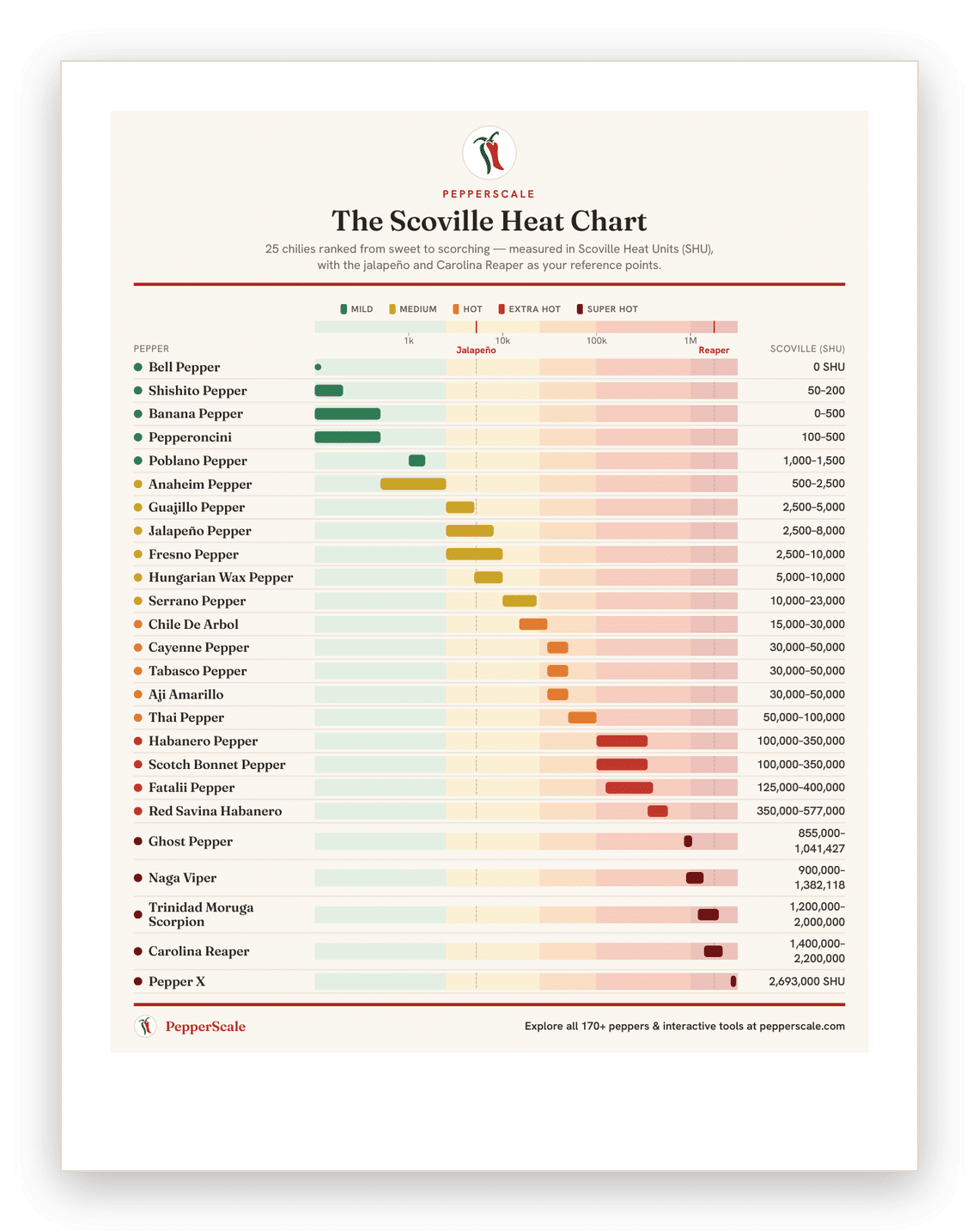
Get the free PepperScale Scoville Heat Chart
A printable, at-a-glance ranking of 25 chilies from sweet to scorching — with the jalapeño and Carolina Reaper as your reference points. Join the newsletter and we’ll send it straight to your inbox.
No spam — just Wicked Wednesday recipes and occasional extra dashes of chili pepper inspiration. Unsubscribe anytime.
Related Reading
- Basic Homemade Salsa Recipe: It’s super simple to make.
- What Is Salsa Verde? What’s in the green salsa that makes it green?
- How To Make Homemade Salsa Hotter: Sure, you can simply add more fresh chilies, but you have other options. The tips can also work with store-bought salsa.
The best way to use up salsa is to either dump it into your favorite Italian tomato-based sauce recipes or top your Italian dishes with it as you would a Mexican dish!! Lasagna, spaghetti, pizza – it doesn’t matter.
Unless you’re actually in Chicago or New York, chances are your pizza won’t have enough sauce and the sauce it does have will be too sweet so, just top it with some salsa! As long as you haven’t overdone the cilantro (the most ridiculous and blasphemous food fad in history!!) in your salsa, you’re good to go!