Salsa takes on many different forms, as you might expect from a sauce with roots that run back centuries. By the time the Spanish arrived, the Aztecs were making chili sauces they called chilmolli, and across Mexico and Central and South America, cooks have been building table sauces around chilies ever since. The list below covers 16 types of salsa that you should know. They run from the pico de gallo on so many taqueria counters to oily, crunchy salsa macha, plus a few favorites from beyond Mexico. Each has its own best use cases, so learn them and use them well!
Types of salsa at a glance
Here’s every salsa below in one place, grouped the same way the guide is: fresh, cooked, dried chili, then a few from further south. Heat depends on the chili and how much of it goes in, so the last column tells you what usually brings the fire.
| Salsa | Built on | Raw or cooked | Typical chili |
|---|---|---|---|
| Pico de gallo | Tomato, onion, cilantro, lime | Raw | Jalapeño or serrano |
| Fruit salsa | Mango, pineapple or other fruit, lime | Raw | Jalapeño or habanero |
| Avocado salsa | Avocado, tomatillo | Raw, blended | Serrano or jalapeño |
| Xnipec | Red onion, sour orange | Raw | Habanero |
| Salsa roja | Tomato, dried red chilies, or both | Usually cooked | Varies, often árbol or guajillo |
| Salsa verde | Tomatillo | Raw or cooked | Serrano or jalapeño |
| Salsa ranchera | Roasted tomato, onion, garlic | Cooked | Serrano or jalapeño |
| Salsa de molcajete | Charred tomato or tomatillo, garlic | Roasted, hand-ground | Varies |
| Salsa taquera | Tomatillo or tomato, garlic | Cooked, blended | Chile de árbol |
| Guajillo salsa | Tomatillo, garlic | Cooked, blended | Guajillo |
| Salsa macha | Oil, garlic, nuts or seeds | Fried | Árbol, morita |
| Salsa borracha | Pulque, garlic | Blended | Pasilla |
| Salsa de cacahuate | Peanuts, garlic | Toasted, blended | Chile de árbol |
| Salsa criolla | Red onion, lime | Raw | Ají amarillo |
| Pebre | Cilantro, onion, garlic, oil, vinegar | Raw | Ají verde |
| Chimichurri | Parsley, oregano, garlic, vinegar, oil | Raw | Red pepper flakes |
What is salsa?
Salsa is simply Spanish for sauce, and the word comes from the Latin for salted. The Nahuatl word chilmolli shows up in Alonso de Molina’s 1571 Nahuatl-Spanish dictionary, which translates it as a salsa or stew made with chilies. So in Mexico, salsa covers a lot of ground: chunky, raw and spoonable, smooth and pourable, or dark chili oil you drizzle by the teaspoon.
Raw or cooked salsa?
Which is better, raw or cooked? Neither, they just do different jobs. Raw salsas like pico de gallo and salsa verde cruda are bright and sharp, and they taste best the day you make them. Roasting or charring the tomatoes, tomatillos and chilies first gives you a deeper, smokier salsa, and simmered salsas turn smooth and saucy enough to spoon over eggs or meat. Want to know how to turn up any of them? Our guide to making homemade salsa hotter walks through it.
Fresh salsas
These are the uncooked salsas, or salsas crudas. Everything goes in raw, so the flavors are bright and the texture stays crisp.
Pico de gallo

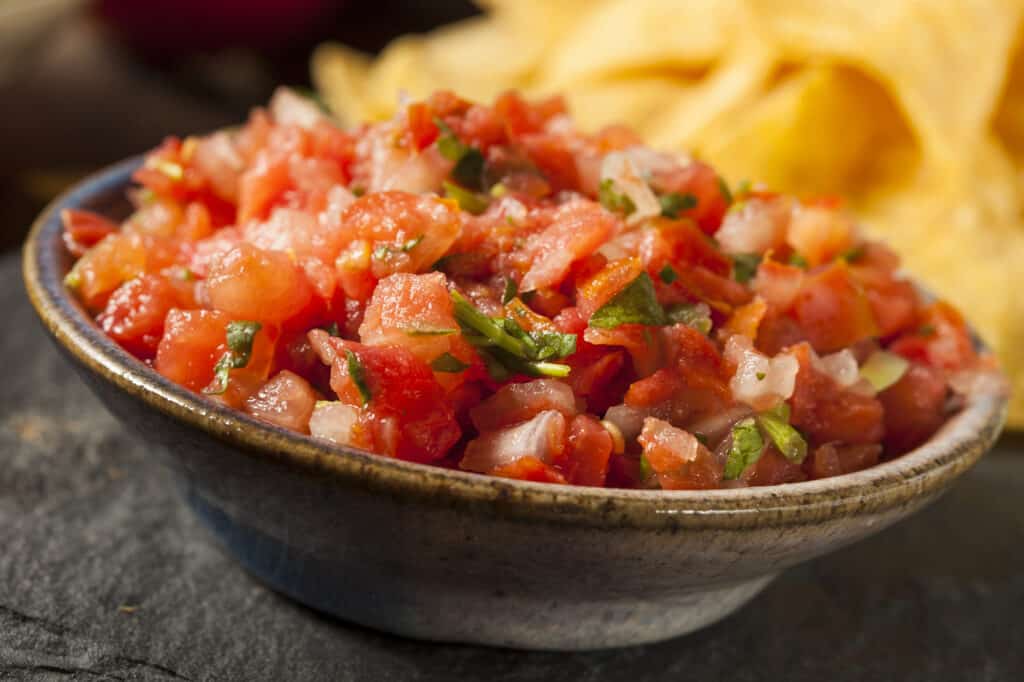
Pico de gallo is an uncooked salsa, also called a salsa cruda, made with fresh ingredients. In Mexico you’ll also hear it called salsa mexicana. The typical pico de gallo contains tomato, onion, and peppers along with cilantro and lime juice. You can make it hot with jalapeño or serrano chilies or you can use bell peppers for a mild version. It is possible to eat pico de gallo as a dip, but it is not a liquid or even a paste, which means that it is not ideal for that purpose. Pico de gallo works best when you use it to top tacos and various other Mexican dishes. You can even eat it by itself as a refreshing salad alternative. Making a big batch? Here’s whether you can freeze pico de gallo.
Fruit salsa

Trade the tomato for fruit and you get a fruit salsa, sweet and tart with a kick behind it. Mango, pineapple and peach are the classics, and they’re great with fish tacos, grilled chicken or pork, or just a bowl of chips. In parts of central Mexico, including Jalisco, the name pico de gallo can even mean a fruit salad of jicama, cucumber and orange, dressed with lime, salt and powdered chili. For more heat, our pineapple habanero salsa pairs the sweetest fruit with one of the hottest common chilies.
Avocado salsa

How’s it different from guacamole? Guacamole is mashed and chunky. Avocado salsa, the kind a lot of taquerias set out instead, is blended smooth with raw tomatillo, a green chili, cilantro and a little water, so it pours. The tomatillo adds a tart edge that cuts through rich tacos al pastor or carnitas, and it’s thin enough to drizzle over just about anything.
Xnipec
Xnipec (shnee-pek) is a Yucatecan salsa, and it’s about as simple as they come: diced red onion, minced habanero and sour orange juice, with salt and often a little tomato and cilantro. The name is Mayan for dog’s nose, and the usual explanation is that the heat leaves your nose wet like one. It’s the classic partner for cochinita pibil, panuchos and salbutes. No sour oranges? A mix of orange and lime juice is a common stand-in.
Cooked and roasted salsas
Simmering, roasting or charring changes everything. These salsas are deeper, smokier or smoother than the raw ones.
Salsa roja

With a name that means “red sauce,” salsa roja is one of the better known Mexican salsas. The red can come from ripe tomatoes, from dried red chilies like chile de árbol and guajillo, or, most often, from both. Most versions are cooked in some way, with the tomatoes broiled or boiled and the chilies toasted or simmered before it all goes in the blender. Most recipes will include onions, garlic, and chili peppers. Salsa roja is traditionally used as a condiment for tacos and burritos, and it’s also used as a topper for meats like chicken and beef.
Salsa verde

To give it the green color referred to in the name, the Mexican version of salsa verde is usually made with tomatillos instead of tomatoes. Aside from the tomatillos, the typical salsa verde ingredients include peppers (usually serrano or jalapeño), onions, garlic, and cilantro. It can be raw (salsa verde cruda), with the tomatillos simply blended, or cooked, with them boiled or roasted first for a softer, rounder tang. Our full guide to salsa verde covers the different versions, including the Italian herb sauce that shares the name.
Salsa ranchera
Salsa ranchera delivers a few twists on the standard red sauce recipe, since it involves roasting the tomatoes for a smokier, more savory flavor. The roasted tomatoes get blended or chopped with serrano or jalapeño, onion and garlic, then simmered in a little oil until it thickens. Salsa ranchera is best known as the sauce for huevos rancheros, served warm over fried eggs and tortillas. But you can use it like any other tomato-based salsa, as a topping or a dip.
Salsa de molcajete
A molcajete is a three-legged mortar carved from volcanic stone, and salsa de molcajete (also called salsa molcajeteada) is any salsa ground by hand in one. Most start with tomatoes or tomatillos, chilies and garlic charred on a dry comal, then crushed with coarse salt. You end up with a chunky, rustic salsa with more texture than anything that comes out of a blender, and the charring gives it a smoky depth.
Salsa taquera
Taco sauce is what this salsa’s name translates to, and it’s traditionally served at Mexican taco stands. There’s no single recipe, but the common thread is dried chile de árbol, blended with tomatillos or tomatoes, garlic, and often a little oil. Expect it smooth and fiery, since it’s meant to wake up a taco with just a spoonful. While its main function is as a taco condiment, it works as a dip as well.
Dried chili salsas
Dried chilies bring a different kind of flavor, toasty, fruity or smoky, and a few of Mexico’s hottest table salsas, like salsa macha, are built on them.
Guajillo salsa

Guajillos are one of the most common dried chilies in Mexico, and in salsa they bring a tangy, berry-like flavor with gentle heat. Toasted, simmered with tomatillos and blended, they make a brick-red salsa that’s great on tacos, eggs and grilled meat. Want something with a little more depth? Our cascabel sauce works the same way with the nutty, round cascabel chili.
Salsa macha
Salsa macha comes from Veracruz, and it’s closer to a chili oil than a sauce. Dried chilies (often árbol and morita) are fried in plenty of oil with garlic, then crushed, and many versions add peanuts or sesame seeds for crunch. The name may come from macho, for its strength, or from machacada, meaning crushed, and nobody’s quite sure which. Spoon a little over tacos, eggs or grilled vegetables, and go easy, since it’s potent. If you like chili crisp, you’ll love this.
Salsa borracha
Salsa borracha means drunken salsa, and the drink in question is traditionally pulque, the fermented agave sap of central Mexico. It’s made from pasilla chilies blended with pulque, garlic and oil, and some versions add tomatillo or crumbled aged cheese. Look for it next to barbacoa, especially Hidalgo-style lamb barbacoa, its classic partner. Beer is a common modern stand-in where pulque is hard to find.
Salsa de cacahuate
Salsa de cacahuate is a nutty, rich salsa of peanuts and chile de árbol, blended with garlic and sometimes tomato, vinegar or sesame. It shows up in kitchens across Mexico, and the peanuts soften the heat without taming it. Not sure what to put it on? Start with tacos, grilled meat or roasted vegetables.
Salsas from beyond Mexico
Salsa isn’t only Mexican. Head south and you’ll find table sauces with their own long traditions, often built on different chilies and herbs.
Salsa criolla
Unlike most of the other salsas on this list, salsa criolla is red onion-based rather than tomato-based. Other ingredients include aji amarillo peppers and cilantro. A salsa criolla will also have lime juice as a source of acidity, so you can think of it as a ceviche without the seafood. You determine how hot it is by how much of the pepper you add. And it’s from Peru rather than being a Tex-Mex or Mexican staple. You serve salsa criolla primarily as a side, though it also works as a condiment. You’ll find it on pan con chicharrón and butifarra sandwiches, and with tamales.
Pebre

Pebre is Chile’s everyday table salsa: lots of cilantro, onion, garlic, oil and vinegar, with ají verde for heat and often some chopped tomato. It goes on bread, empanadas, sopaipillas and anything off the grill. Ají verde can be hard to find outside Chile, so our version uses a jalapeño instead.
Chimichurri

Chimichurri is the bright green sauce of Argentina and Uruguay, made with parsley, oregano, garlic, vinegar and oil, and a pinch of red pepper flakes for heat. Grilled steak is its classic match. But it’s just as good on chicken, sausage or roasted vegetables. Some people file it under salsa verde, too, since it’s a green sauce. Cilantro shows up in some versions elsewhere in Latin America, but it isn’t part of the traditional Argentine recipe.
Which salsa should you make?
Still not sure? Here’s a quick guide by what’s on the table.
- For chips: Pico de gallo, salsa roja or a fruit salsa.
- For tacos: Salsa verde, salsa taquera or avocado salsa.
- For eggs: Salsa ranchera, or a spoonful of salsa macha.
- For grilled meat: Chimichurri, pebre or salsa borracha.
- For the most heat: Xnipec or salsa taquera.
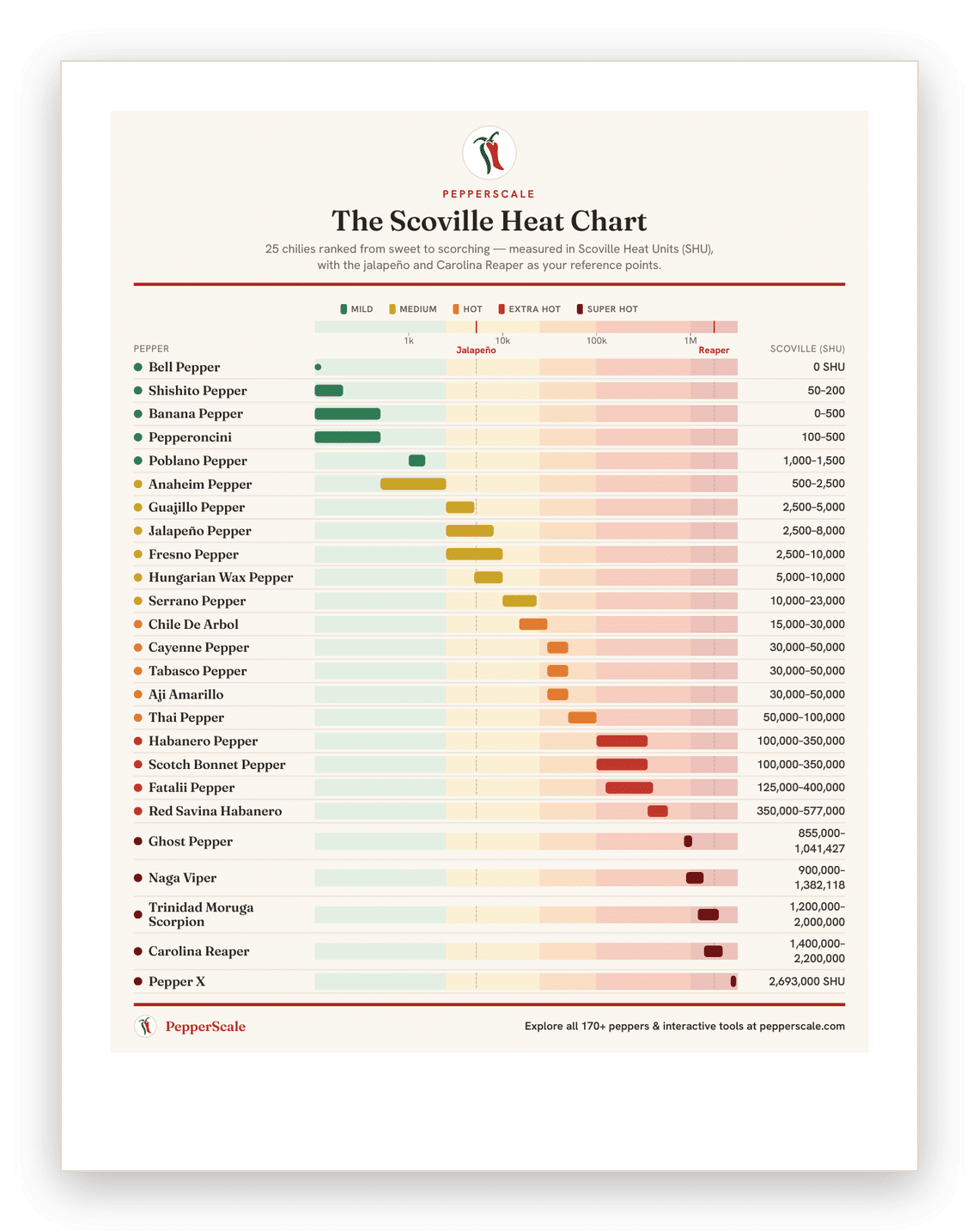
Get the free PepperScale Scoville Heat Chart
A printable, at-a-glance ranking of 25 chilies from sweet to scorching — with the jalapeño and Carolina Reaper as your reference points. Join the newsletter and we’ll send it straight to your inbox.
No spam — just Wicked Wednesday recipes and occasional extra dashes of chili pepper inspiration. Unsubscribe anytime.
Related reading
- Extra Salsa? 12 Delicious Salsa Uses: What to do with the rest of the jar, or the bowl.
- Mexican Peppers: The Must-Know Chilies, Fresh And Dried: The chilies behind all of these salsas, from poblano to habanero.
- Sauce Too Hot? How To Make Sauce Less Spicy: Easy fixes when a salsa comes out hotter than you planned.
I love how you love the mexican recipes SHOUT OUT TO ~MEXICO~ that my home, por todo los mexicanos #yomecedoencasa
I love that you broke these down for both the novice and the experienced salsa maker! :beg: