Hoisin on its own is already a fine glaze for grilled pork or chicken, but it isn’t barbecue sauce. Add ketchup, soy sauce, and rice wine vinegar and it becomes one: sweeter and deeper than a standard tomato sauce, with a savory backbone you don’t get from the bottle at the store. It’s five ingredients, one bowl, and no cooking at all.

🌶️ Quick recipe snapshot
| Flavor profile | Sweet and salty up front, tangy behind it, with a deep fermented savoriness holding the whole thing together |
| Primary heat source | None by default. Sriracha or cayenne, both optional |
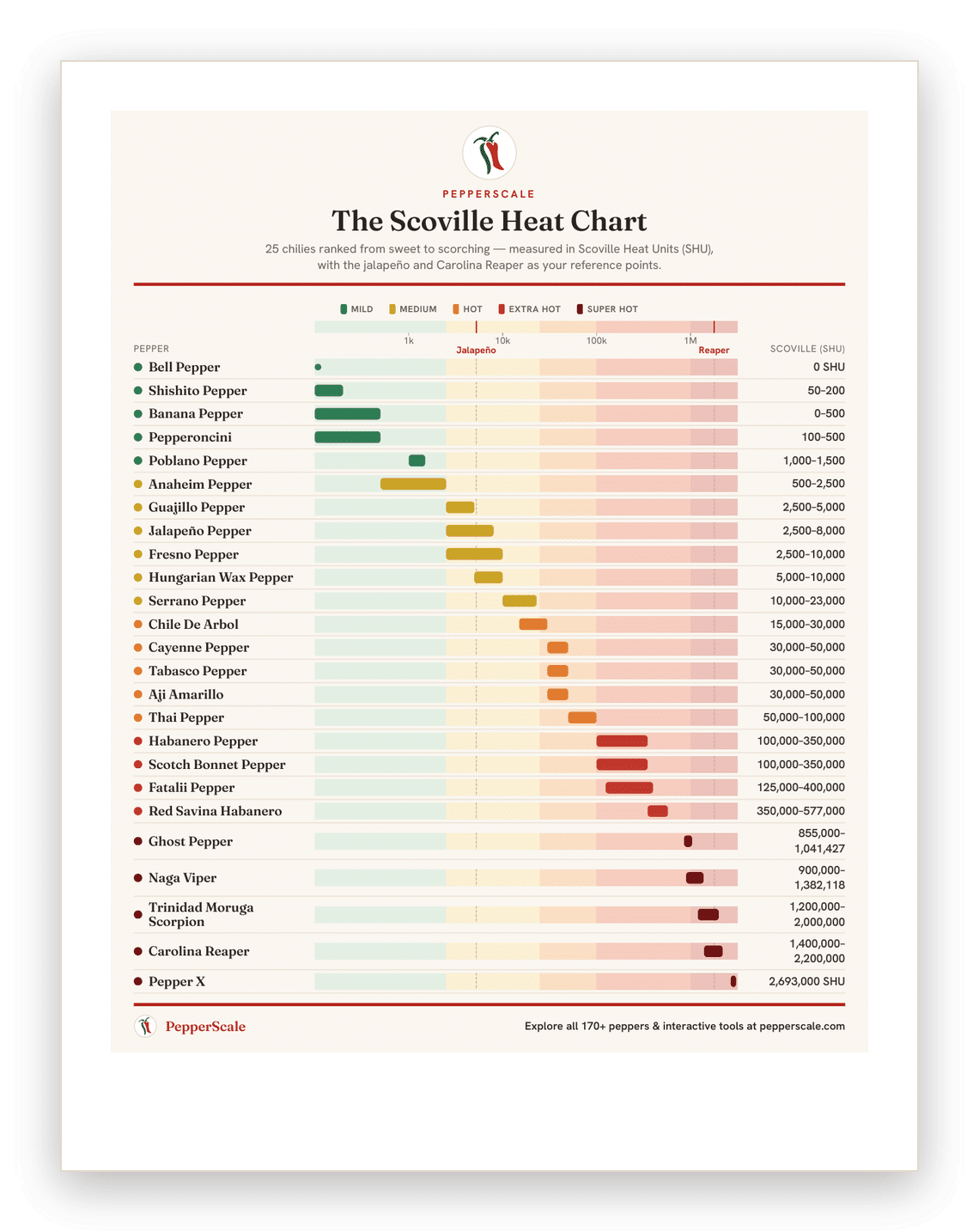
| Heat level | Very mild. A teaspoon of Sriracha across eight servings is a whisper, and this sauce is built for flavor rather than burn |
| Texture | Thick, glossy, and pourable straight from the bowl, with no cooking required |
| Best uses | A glaze for grilled pork and chicken, a dip for meatballs or wings, or a finishing sauce for noodles |
| Customization ideas | More Sriracha or a pinch of cayenne for heat, low-sodium soy to cut the salt, or a short simmer to thicken it |
Flavor notes
What makes this work is that it’s two barbecue traditions stacked on top of each other. American barbecue sauce is built on tomato, vinegar, and sugar. Hoisin is built on fermented soybean, sugar, and garlic. They’re doing the same job from opposite ends of the world: sweet, salty, tangy, with something savory underneath holding it in place. Ketchup brings the bright version of that savoriness and hoisin brings the darker, funkier one, and putting them together gets you a depth that neither has on its own.
Nothing here needs cooking, which is the other reason it works. Every ingredient is already a finished condiment, so you’re blending rather than building, and a few minutes of stirring gives you a sauce that tastes like it simmered for an hour. The rice wine vinegar matters more than it looks: it’s the mild, round kind of tang, where a cider vinegar would turn sharp and start fighting the hoisin. Heat follows the same logic. Sriracha is the right hot sauce here because it’s garlicky and a little sweet, so it disappears into the sauce, while a thin, vinegar-forward hot sauce would just pile sourness onto sourness.
Adaptation ideas
- Add heat, or leave it out: The Sriracha is optional and it’s there for warmth rather than flavor. A quarter to half teaspoon of cayenne powder does the same job if that’s what you have, though stir it thoroughly or you’ll find it in pockets.
- Push it hotter: A spoonful of gochujang or sambal oelek takes it further, and gochujang in particular is fermented like the hoisin is, so it deepens the sauce instead of fighting it.
- Cut the salt: Between hoisin, soy sauce, and ketchup this lands around 560mg of sodium per serving. Low-sodium soy sauce is the easiest fix and costs you nothing in flavor.
- Make the hoisin yourself: Our homemade hoisin sauce gives you control over the sweetness and the salt at the source, which matters more here than in most recipes because hoisin is half the sauce.
- Simmer it to thicken: Five minutes over low heat turns this from a sauce into a proper sticky glaze. It thickens further as it cools, so pull it sooner than you think.
Serving ideas
It’s a barbecue sauce, but it’s a good deal more versatile than that:
- Glaze pork or chicken on the grill: Brush it on in the last few minutes rather than at the start. There’s a lot of sugar in here between the hoisin and the ketchup, and sugar burns well before the meat is done.
- Serve it as a dip: Meatballs, wings, dumplings, or spring rolls, where the sweet-salty balance does the same job a duck sauce would.
- Toss it through noodles or a stir-fry: Thin it with a splash of water and it coats noodles or vegetables without needing anything else.
- Put it on a sandwich: Pulled pork especially, where it stands in for a standard barbecue sauce and brings more depth. For more in this direction, we rounded up six tasty hoisin sauce uses.
Storage notes
Nothing gets cooked here, but that matters less than it sounds. Every ingredient is a finished condiment already loaded with salt, sugar, and acid, so the sauce keeps well. In a sealed jar in the fridge it’s good for a couple of weeks, and it may separate slightly as it sits, which a stir fixes. It is not shelf stable, so it lives in the fridge rather than the pantry. If you’re wondering about the hoisin bottle itself, we looked at whether hoisin sauce goes bad separately.
The one rule worth being strict about is basting. Pour off whatever you plan to serve at the table before the brush ever touches raw pork or chicken, and throw out what’s left in the basting bowl when you’re done. Sauce that’s been brushed onto raw meat and set aside is not something to put back in the jar, no matter how much is left.
Like this recipe? You’ll love these too:
- Cherry Habanero BBQ Sauce: Dark fruit against serious habanero heat, and a real step up from this one on the Scoville front.
- Spicy Bourbon BBQ Sauce: Bourbon brings an earthy sweetness that plays the same role hoisin does here.
- Spicy Chinese BBQ Sauce: The closest cousin to this sauce on the site, if the hoisin direction is the part you liked.
50 quick, bold sauces and salsas: classic salsas and fun twists, BBQ sauces with a kick, and dippers with bang. Simple to make, big on flavor.
Wicked Wednesday subscribers save 15% — join free.

Hoisin BBQ Sauce
Ingredients
- 6 tablespoons hoisin sauce
- 6 tablespoons ketchup
- 2 tablespoons rice wine vinegar
- 2 tablespoons soy sauce
- 1 teaspoon Sriracha sauce optional
Instructions
- Add all ingredients to a mixing bowl and stir until fully combined.