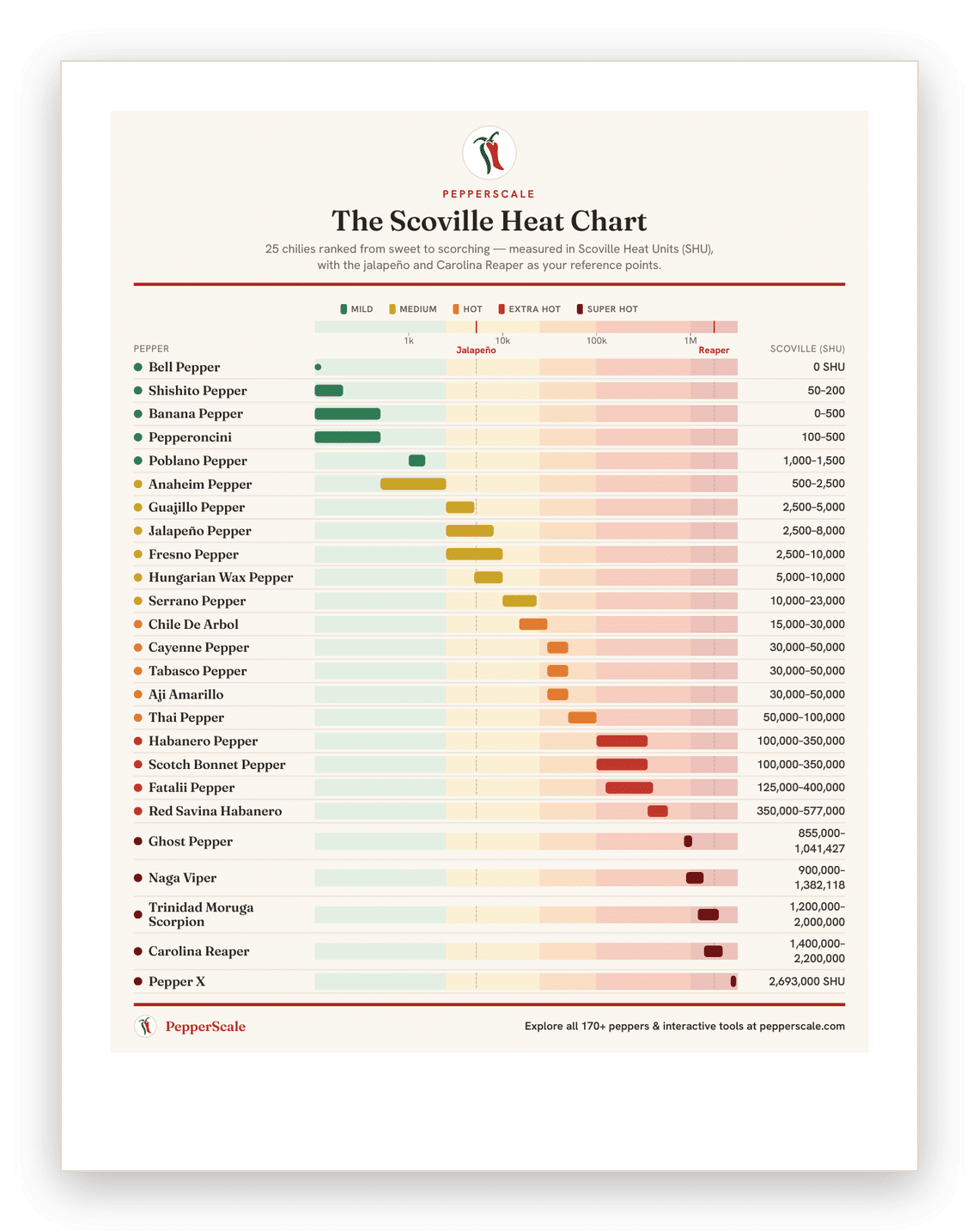
Korean meatballs are full of bold flavors: ginger and sesame oil give them a warm, nutty backbone. But the true star of these meatballs is gochujang. This fermented Korean chili paste provides both an earthy and pungent fire to the flavor. They are hot, but not so spicy as to turn off the most modestly adventurous eater. And if “too spicy” is a concern, remove the additional cayenne pepper from the sauce recipe to temper some heat.
🌶️ Quick recipe snapshot
| Flavor profile | Sweet, tangy and savory, with fermented heat from the gochujang, warm ginger and toasted sesame. |
| Primary heat source | Gochujang, 2 tablespoons in all, split between the meatballs and the sauce, plus ¼ teaspoon cayenne. |
| Heat level | Moderate. Most of it comes from the gochujang, so the brand you buy sets the level. |
| Texture | Tender, browned meatballs in a thick, glossy, sticky glaze. |
| Best uses | An appetizer, or a meal over rice or noodles. |
| Customization ideas | No cayenne for less heat, extra gochujang or gochugaru for more, ground pork, scallions. |
| Before you start | Grate the ginger and mince the garlic and shallot. Start to finish it takes about 35 minutes, and you may need to brown the meatballs in two batches. Makes 4 servings. |
Flavor notes
Gochujang does double duty here. A tablespoon goes into the meat itself, along with the shallot, garlic, ginger and sesame oil, so you’ll taste it all the way through each meatball. Another tablespoon goes into the sauce.
The sauce is where the sweet and tangy side comes in. Ketchup and brown sugar make a thick, glossy base, rice vinegar keeps it from turning cloying, and the gochujang and a pinch of cayenne bring the heat. Garlic and ginger go into the pan first, so they’ll pick up whatever the meatballs left behind.
You can pick up gochujang at most well-stocked supermarkets, but if you are truly adventurous (and have time to source the ingredients), you can make this Korean chili paste at home. See our recipe for it here (a simplified version, plus a video on how to make it).
Three minutes in the pan only browns the meatballs. They’ll finish cooking in the sauce, so give them the full four to five minutes there. Ground beef is done at 160°F, and a quick check with a thermometer takes the guesswork out of it. Not there yet? Leave them in the sauce for a few more minutes.
Adaptation ideas
Want to change things up? Try one of these:
- Milder: Skip the cayenne and buy a gochujang that’s labeled mild.
- Hotter: Stir an extra spoonful of gochujang into the sauce, or sprinkle in some Korean chili flakes (gochugaru).
- Other meats: Ground pork, or a mix of pork and beef, works too. If you’re using ground chicken or turkey, you’ll need to cook them to 165°F.
- Toast your own garnish: For nutty, toasted sesame seeds, shake plain ones in a dry pan over medium heat until golden, then scatter them over the top.
- More green: Finish with thinly sliced scallions along with the sesame seeds.
Serving ideas
Serve Korean meatballs as an appetizer or as a meal over rice. They don’t take long to make (as long as you have gochujang in-house), so this recipe is an excellent “quick and easy” meal to make on busy days. In fact, it’s a ton more flavorful than most quick meals. A few ways to serve them:
- Over rice: Spoon the meatballs and every bit of sauce over a bowl of steamed short-grain rice.
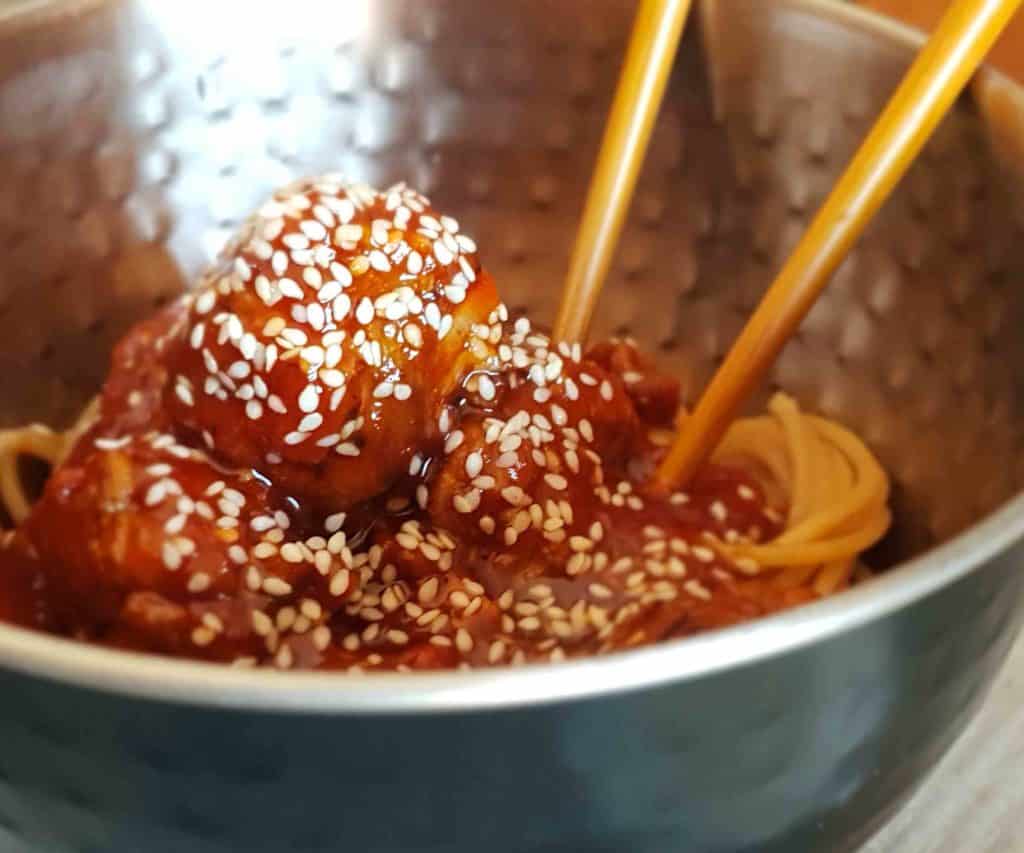
- With noodles: Toss them with noodles, as in the photo, so the sticky sauce coats every strand.
- As an appetizer: Spear each one with a toothpick and put them out on a platter.
- In lettuce wraps: Tuck a meatball and a little rice into a crisp lettuce leaf.
- With kimchi: A spoonful on the side adds crunch and a sour edge next to the sweet sauce.
Storage notes
Got leftovers? Keep them covered in the refrigerator and eat them within 3 to 4 days, in line with FoodSafety.gov’s guidance for cooked meat. They freeze in their sauce, too: the same chart gives cooked meat 2 to 6 months in the freezer.
To reheat, warm them in a pan over low heat with a splash of water to loosen the sauce, stirring now and then, until they’re steaming in the middle.
Like this recipe? You’ll love these too:
- Korean Bibimbap Sauce: Another gochujang-powered recipe, perfect over rice or with red meats.
- Sizzling Sriracha Meatballs: Sriracha and ginger pair up for another take on meatballs.
- Sticky Korean Pork Chops: Serve with rice and vegetables, or use them for delicious pork sandwiches.

A globe-spanning collection of 100 bold, fiery recipes — soups, fiery mains, curries, handhelds, snacks, sauces, even brunch — drawn from over a decade of PepperScale favorites.
Wicked Wednesday subscribers save 15% — join free.

Spicy Korean Meatballs
Ingredients
For the meatballs
- 1 1/2 pounds ground beef
- 1 shallot minced
- 2 cloves garlic minced
- 2 tablespoons vegetable oil
- 1 tablespoon gochujang
- 2 teaspoons ginger grated
- 1 teaspoons sesame oil
- 1/2 teaspoon salt
- 2 teaspoons Toasted sesame seeds for garnish
For the sauce
- 1 cup ketchup
- 1/4 cup light brown sugar packed
- 1 cloves garlic minced
- 2 tablespoons rice vinegar
- 1 tablespoon gochujang
- 1 teaspoon ginger grated
- 1 teaspoon sesame oil
- 1/4 teaspoon cayenne pepper
Instructions
Cook the meatballs
- In a mixing bowl, add the beef, garlic, shallot, gochujang, ginger, sesame oil, and salt (as per amounts under meatballs section above). Stir to combine.
- Create the meatballs by rolling a heaping tablespoon’s amount of beef into a ball. They should be approximately an inch wide.
- Add the vegetable oil to a large pan over medium heat. Once the oil is hot, add the meatballs (may take two rounds of cooking, adding oil each time). Cook the meatballs for 3 minutes, flipping once or twice during the cooking. The meatballs will be lightly browned.
- Transfer the meatballs to a paper towel to allow them to rest (and the oil to soak into the paper towel).
Make the sauce
- Use the same pan as used for meatballs. Reduce the heat to medium, then add the garlic and ginger. Cook, stirring often, until the spices are aromatic (30 seconds to one minute).
- Add the ketchup, light brown sugar, rice vinegar, gochujang, sesame oil, and cayenne pepper (based on the portions under sauce section above). Stir well.
- Bring to a quick boil, then reduce heat to low and simmer the sauce for 3 to 4 minutes.
Finishing the Korean meatballs
- Add the meatballs back to the pan with the sauce and cook, stirring often, for 4 to 5 minutes.
- Serve immediately, sprinkling toasted sesame seeds on top as garnish.