Your tagine recipe calls for ras el hanout, and the cupboard’s out of it. Now what? Mix your own, since it’s built from spices most kitchens already have. Ras el hanout is a favorite for seasoning Moroccan tagines and other North African dishes, but as popular as this complex spice blend is for this regional fare, it can be tough to source for the everyday chef. Short on time? Garam masala, curry powder or baharat can stand in.

Last update on 2026-11-17. We earn a commission if you make a purchase, at no additional cost to you.
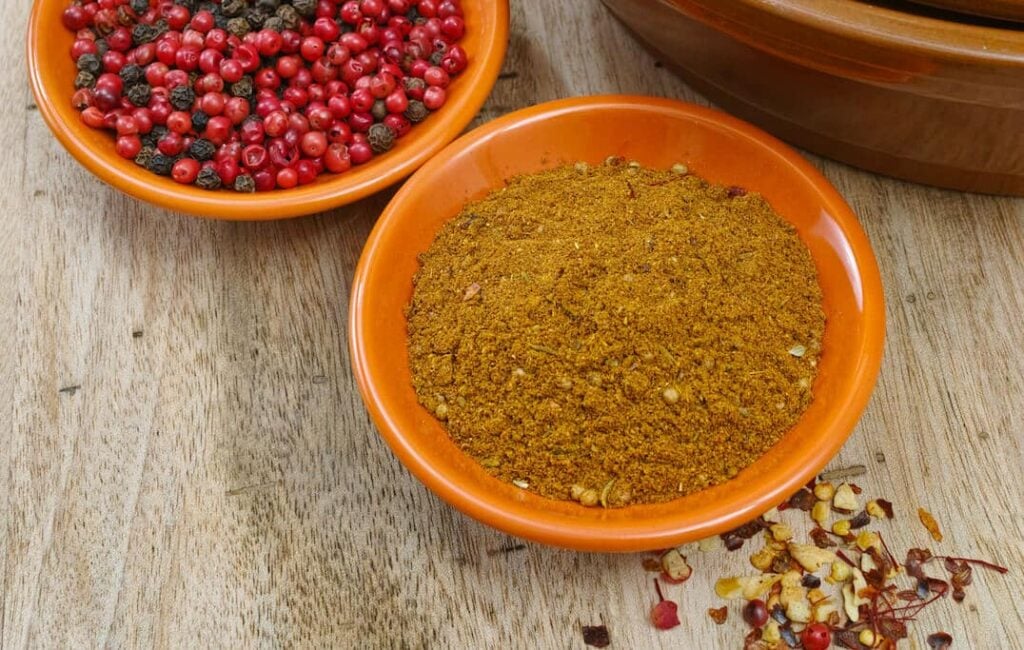
Your best bet: Make your own
Ras el hanout, as a prepared spice mix, may be hard to source, but as the sum of its parts, it’s a whole lot easier. Really the meaning of the seasoning’s name says it all. Ras el hanout means “the head of the shop” in Arabic. It’s a mix of the best spices that the spice seller has.
So the good news: There are many homemade ras el hanout recipes that use ingredients common to a well-stocked spice rack. PepperScale’s recipe uses 13 ingredients, with extra heat from extra cayenne powder, which is optional. A little searching opens up many more ras el hanout recipes. Each will vary, as “the head of the shop” can mean many things.

A simplified approach: A simple four-spice mix
If your spice rack is short on spices, you can opt to simplify the mix down to four of the more prevalent flavors found in ras el hanout. These four are common finds even on basic spice racks:
- 1 part cumin
- 1/2 part coriander
- 1/2 part ginger powder
- 1/2 part paprika (or cayenne if you like it hotter)
This simple mix provides an earthy cumin kick with a warm, ginger-fueled twist. The mix is certainly not as complex as a typical ras el hanout recipe, but it will work if you’re in a pinch with many recipes where ras el hanout is required. Got cinnamon or allspice? A pinch of either brings it a little closer.
Two potential seasoning substitutions: Garam masala or curry powder
Both of these Indian spice mixes can work as an alternative to ras el hanout. Garam masala especially shares many common ingredients, like cumin, coriander, cinnamon, and cloves. It tends to not be as spicy, so consider adding in a pinch of cayenne pepper powder to liven things up.
Curry powder, too, shares similar ingredients, though curry powder recipes can vary just as much as ras el hanout recipes. Some opt for similar warm aromatics like ginger and cinnamon, while others take a more pungent approach with dried mustard. Opt for the former, not the latter, if possible.
Another blend to try: Baharat
Baharat, an Arab blend whose name simply means “spices,” is another good stand-in. Like ras el hanout, it changes from place to place. Many versions include cinnamon, coriander, black pepper and paprika, which puts it close to the warm, earthy side of ras el hanout. Our baharat explainer covers the regional versions, and you can make your own baharat too.
One to skip: Harissa
What about harissa? It comes from the same part of the world, but it’s a poor swap. Harissa is built on chilies, so it brings heat where ras el hanout brings a balance of warm, sweet spices. Want a fiery tagine? Use harissa alongside your substitute instead.
Match the substitute to the dish
- Tagines and stews: A homemade blend, or garam masala with a pinch of cayenne. Both bring cinnamon and cloves, two of ras el hanout’s warm notes.
- Dry rubs for lamb or chicken: The four-spice mix. Cumin and paprika carry a rub well on their own.
- Couscous: Garam masala or baharat, stirred into the broth the couscous cooks in.
- Roasted carrots or sweet potatoes: Any of them. A ginger-heavy curry powder works nicely here too.
How much should you use?
- Homemade ras el hanout: Use the same amount the recipe calls for.
- The four-spice mix: The same amount, then taste. Add a pinch of cinnamon if it seems flat.
- Garam masala: The same amount, plus a pinch of cayenne for each teaspoon if you want the heat.
- Curry powder: Start with about three-quarters of the amount, since many curry powders lean heavily on turmeric, and add more to taste.
- Baharat: The same amount.
Pulling it all together
Making your own ras el hanout is the closest you’ll get, and our recipe takes about five minutes. Short on spices? The four-spice mix covers the basics. And if you’d rather use a jar you already own, garam masala is the best match, with curry powder and baharat close behind.
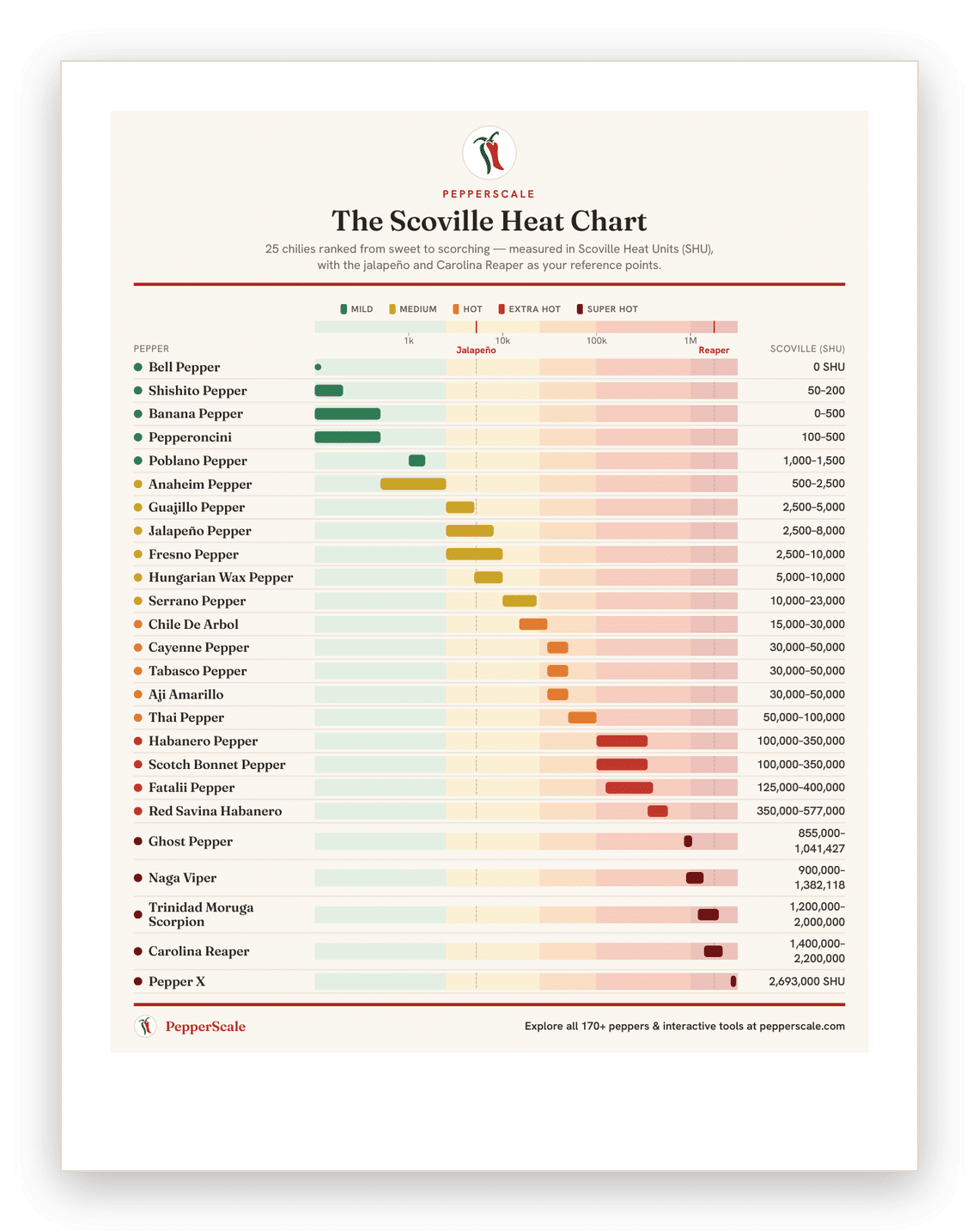
Get the free PepperScale Scoville Heat Chart
A printable, at-a-glance ranking of 25 chilies from sweet to scorching — with the jalapeño and Carolina Reaper as your reference points. Join the newsletter and we’ll send it straight to your inbox.
No spam — just Wicked Wednesday recipes and occasional extra dashes of chili pepper inspiration. Unsubscribe anytime.
Related reading
- Spicy Seasonings Guide: Discover some of the spiciest blends on the planet.
- Our Hot Pepper List: We profile over 175 chilies. Search our list by name, heat, flavor, origin, and more.
- Homemade Rasam Powder: Discover another complex spice blend.