Here’s something most people never stop to think about when they’re cooking with chili peppers: the same pepper, in the same amount, can taste noticeably hotter or milder depending on one thing that has nothing to do with the pepper itself — temperature. A warm salsa and that same salsa cold out of the fridge are two different experiences, even though the recipe never changed.
That’s not your imagination. Temperature genuinely changes how spicy a pepper tastes, and once you understand why, you can start using hot and cold like another seasoning in your kitchen.
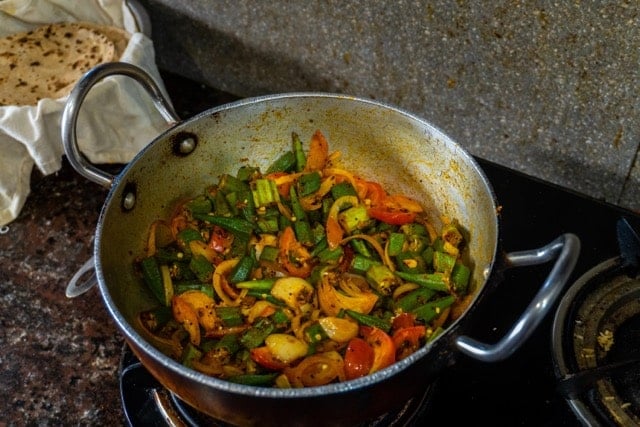
Why heat makes heat feel hotter
Here’s the short version of what’s going on. The burn from a chili pepper comes from capsaicin, and capsaicin works by latching onto a receptor in your mouth called TRPV1. The funny thing about that receptor is that it isn’t really a “spicy” detector — it’s a heat-and-pain detector. It’s the same one that fires when you sip coffee that’s too hot or grab a pan you shouldn’t have.
Capsaicin tricks it. It binds to TRPV1 and tells your brain “this is hot” even though nothing is actually burning you. So when you eat something spicy, your mouth is reporting heat that isn’t really there.
Now think about what happens when the food itself is physically hot. You’ve already got capsaicin pulling the trigger on that receptor, and then you pile real warmth on top of it. The two stack up. The receptor fires harder, and the burn feels more intense. That’s why a bowl of chili straight off the stove hits harder than the exact same chili after it’s cooled on the counter.
Why cold pulls the punch
Cold does the opposite. Drop the temperature and you quiet that receptor down, so the capsaicin has less to work with. On top of that, cold trips a different receptor — TRPM8, the one menthol hits — that sends a cooling signal, and that cooling signal competes with the burn for your attention. Your mouth is hot and bothered on one channel and cool and calm on another.
One important catch: the cold doesn’t get rid of the capsaicin. It’s still in there, every bit of it, just muffled. So a chilled hot sauce or a cold salsa can fool you on the first bite and then sneak up as it warms in your mouth or sits on a warm chip. That cold scoop of habanero salsa that seemed totally manageable can catch up with you about ten seconds later.
And to kill a common myth while we’re here: chilling or freezing a pepper doesn’t make it any less hot. Capsaicin is remarkably tough stuff — it shrugs off cooking, freezing, all of it. You’re not changing the pepper, you’re only changing how your mouth reads it.
Putting it to work
This is the fun part. Once you know that hot amplifies and cold mutes, you can actually aim it.
Chill it to tame it. This is the move when you’ve built something spicier than your crowd can handle. Mango-habanero salsa is the classic example — habaneros run anywhere from 100,000 to 350,000 SHU, which is no joke. Make it, refrigerate it a few hours, and serve it cold. The sweetness leads, the burn follows politely behind. Just warn people that it builds.
Serve it hot to punch above the pepper’s weight. Flip side: if all you’ve got is something mild and you want it to register, heat is your amplifier. A jalapeño only sits around 2,500 to 8,000 SHU, but drop it into a warm queso or a quesadilla straight off the griddle and it reads a lot hotter than the same jalapeño would in a cold pico de gallo. Want the most impact out of a modest pepper? Serve it steaming.
Go heavier in cold dishes. Because cold dulls the perception, cold dishes let you be more generous than you’d dare otherwise. You can work a good amount of serrano (roughly 10,000 to 23,000 SHU) into a cold cucumber salad or a chilled noodle bowl, and it lands as a clean background warmth instead of a front-loaded slap. Try that same quantity in a hot stir-fry and you’d be reaching for the milk.
Play the temperature contrast for fun. Some of the best heat experiences ride the line between cold and hot. A scoop of mango sorbet with a whisper of Thai bird’s eye chili (50,000 to 100,000 SHU) starts out cold and sweet, then the heat blooms as the sorbet melts on your tongue. It’s a whole little arc in a single bite. Same idea behind a chili-rimmed frozen margarita — the cold glass keeps things gentle right up front, then the warmth catches up.
The leftover-chili effect is real. Ever notice that day-after chili tastes spicier? Part of that is the capsaicin spreading evenly through the fat and liquid as it sits overnight, and part of it is simply that you’re reheating it good and hot. Temperature is doing some of the work there.
So next time you’re cooking with peppers, don’t just think about which pepper and how much. Think about temperature too. It’s the simplest tool in your kitchen, and it doesn’t cost you a thing.
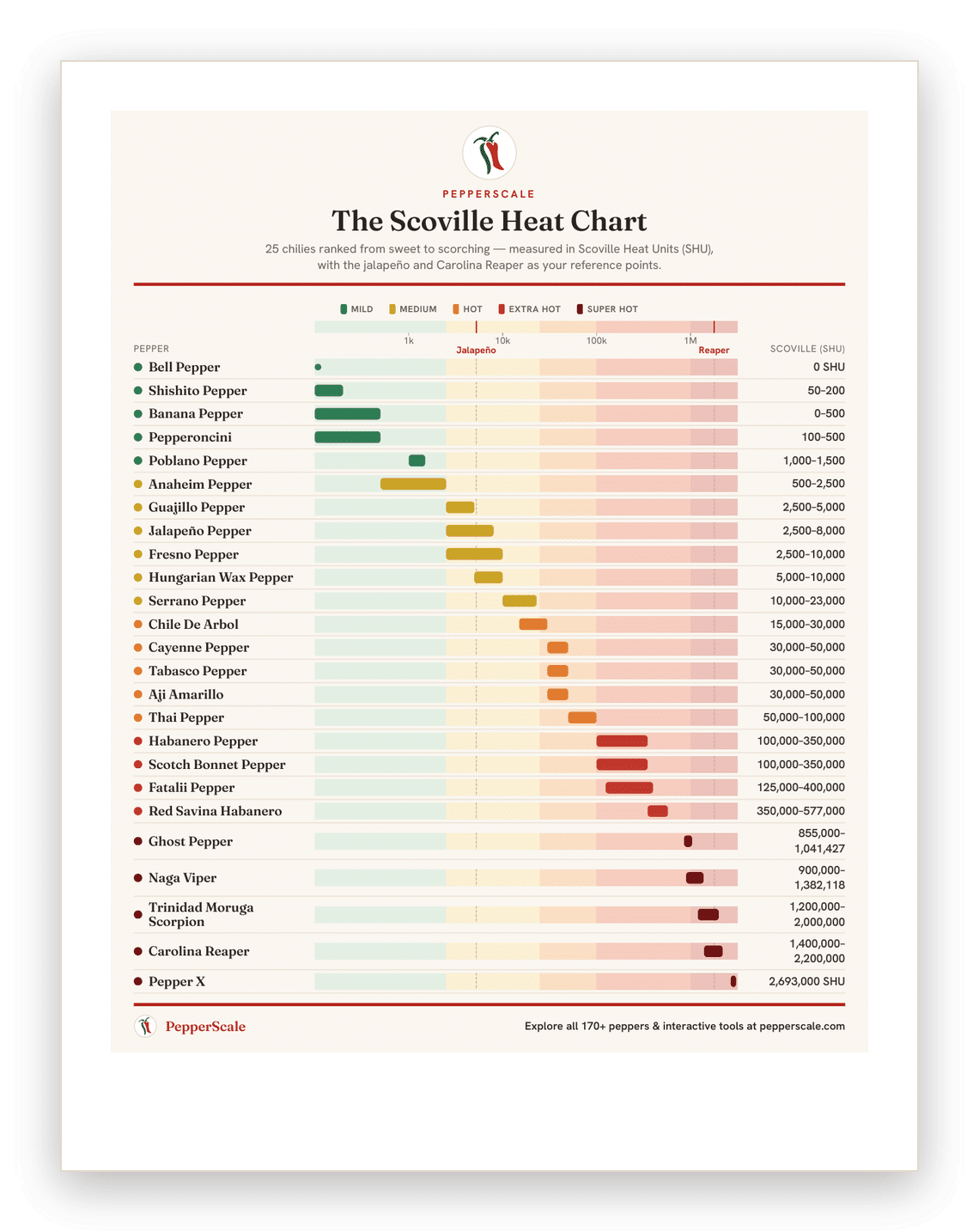
Get the free PepperScale Scoville Heat Chart
A printable, at-a-glance ranking of 25 chilies from sweet to scorching — with the jalapeño and Carolina Reaper as your reference points. Join the newsletter and we’ll send it straight to your inbox.
No spam — just Wicked Wednesday recipes and occasional extra dashes of chili pepper inspiration. Unsubscribe anytime.
Related reading
- The Chili Pepper Flavor Pairing Tool: Based on the logic from our ebook The Capsaicin Code, discover pepper flavor pairings that just work.
- Does Cooking Peppers Make Them Hotter? We know what heat does now to the eating experience, but doe the actual cooking change anything in a chili to increase spiciness?
- The Hot Pepper List: We profile 170+ chilies. Search them by heat, flavor, origin, and more. Know your spice.