Any well-stocked spice rack has a bottle of chili powder at the ready, and probably right nearby is a bottle of cayenne pepper powder. Both are red, both are ground, and both promise some heat. So what’s the difference? Isn’t cayenne the same as chili powder? Can you substitute one for the other without any worries?
The short version: cayenne is a single pepper, ground, and it’s there for heat. Chili powder is a seasoning blend, mostly mild, built to flavor a pot of chili. Here’s how they compare, and what to watch for when you swap one for the other.


Last update on 2026-11-21. We earn a commission if you make a purchase, at no additional cost to you.
🌶️ Quick comparison
| Cayenne | Chili powder | |
|---|---|---|
| Made from | One pepper: ground, dried cayenne | A blend: ground chilies plus cumin, garlic, oregano and more |
| Heat | 30,000 to 50,000 SHU, often sold by heat grade | Usually mild, from an ancho-style base; hot blends exist |
| Flavor | Clean, sharp heat | Earthy and savory, with cumin and garlic |
| Color | Bright orange-red | Deeper brick red to maroon |
| How much | A pinch | By the spoonful |
| Best for | Adding heat without changing the dish | Seasoning chili, tacos and rubs |
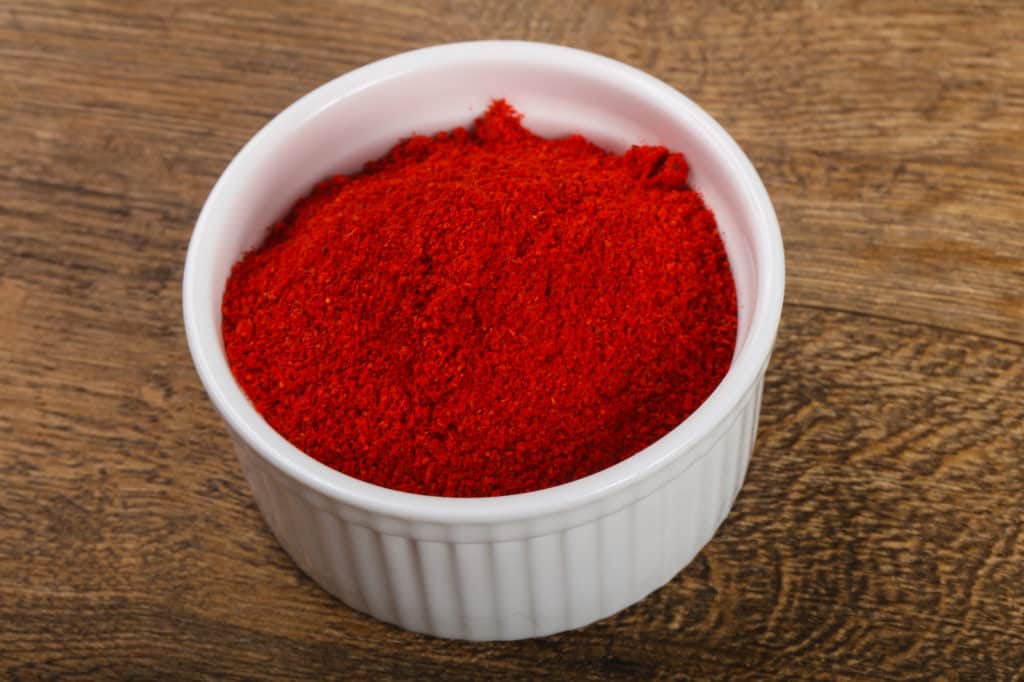
What’s the difference between cayenne and chili powder?
First things first: cayenne pepper powder is technically a chili powder. It’s 100% ground chili pepper, dried cayenne pepper and nothing else, which is a lot more than you get from a typical bottle labeled chili powder.
American chili powder is a blend. The chili base leads, cumin, garlic and oregano follow, and many store brands add salt plus something to keep the powder flowing. Look at McCormick’s ingredient list: “Chili Pepper, Spices, Salt, Silicon Dioxide (to Make Free Flowing) and Garlic.” The cumin and oregano hide inside that one word, spices. For a jar-by-jar breakdown, see what’s in chili powder.
Names add to the confusion. Ancho powder, chipotle powder and other single-pepper jars hold one ground pepper and nothing else, so they have more in common with cayenne than with a chili powder blend. Our ancho chili powder vs. chili powder comparison covers that mix-up.
Which is hotter, cayenne or chili powder?
Cayenne, almost every time. Cayenne peppers run 30,000 to 50,000 Scoville heat units (SHU), firmly in medium-hot territory. The powder varies by supplier, since spice companies grade ground cayenne by heat, from 25,000 to 35,000 at Frontier up to 90,000 at Starwest. A grocery jar rarely says which, but it’ll be hot either way.
Most chili powders use peppers further down the pepper scale. The classic base is ancho, a dried poblano at just 1,000 to 1,500 SHU, and even when a blend uses hotter peppers, cumin, garlic and the rest dilute the heat by the spoonful. So pure cayenne takes the heat title between the two.
The exception is the hot blend. If the label says “hot” or “extra hot,” expect a hotter pepper in the mix, sometimes cayenne itself. Neither jar gives you a Scoville number, though, so taste a pinch before you measure.
How does each taste?
Cayenne is heat first and flavor a distant second: a sharp, fast burn, a hint of sweetness, little else. That makes it handy when you want a dish spicier but still tasting like itself. On our flavor map, it belongs with the Sharp, Pungent and Floral peppers.
Chili powder is all about flavor. The chili base brings a sweet, earthy depth, cumin adds its warm, nutty note, and garlic and oregano round it out into the taste most Americans know from a bowl of chili. Because every brand uses its own recipe, two chili powders can taste noticeably different, while one cayenne tastes much like another.
Can you tell them apart by color?
Side by side, you can usually tell them apart. Cayenne is a bright orange-red. Chili powder made with ancho runs deeper, toward brick red or maroon. Color isn’t a reliable test, though, since some blends use brighter peppers, so read the label when it matters.
Which is more useful in the kitchen?
Cayenne works best in tiny amounts. Want more heat without changing a dish’s flavor? A pinch lifts soups, sauces, rubs and scrambled eggs, and it provides the heat in our spicy almonds and our cayenne lemonade. Go slowly: you can always add more.
Use chili powder by the spoonful when you want its full flavor: chili, tacos, enchiladas, rubs and roasted vegetables. The two aren’t rivals, either. Our sweet and spicy chili uses a quarter cup of chili powder for flavor and a single teaspoon of cayenne for heat, and our homemade chili powder stirs cayenne right into the blend.
Can you substitute cayenne for chili powder, and vice versa?
While you can, there are a few things you need to be aware of first. Using cayenne in place of chili powder can take a family-friendly recipe and turn it into something meant for spicy food fans. Trim the quantity hard, from a spoonful down to a pinch or two, and expect to miss the cumin, garlic and oregano. Add those back on their own if you have them.
Using chili powder in place of cayenne goes the other way: you’ll get far less heat, plus flavors the recipe didn’t ask for. If you must, check the label and consider cutting back on the cumin or garlic the recipe already calls for. Need a closer match? See our cayenne pepper substitutes and chili powder substitutes.
Overall: cayenne for heat, chili powder for flavor
Cayenne and chili powder look like spice rack cousins, but they do different jobs. Cayenne is a single pepper and a heat source: plain, sharp and predictable. Chili powder is a mild, savory blend with a recipe that changes from brand to brand. Keep both on hand: cayenne, a pinch at a time, when a dish needs more fire, and chili powder, a spoonful at a time, when it needs that Tex-Mex seasoning. Used that way, they rarely need to stand in for each other.
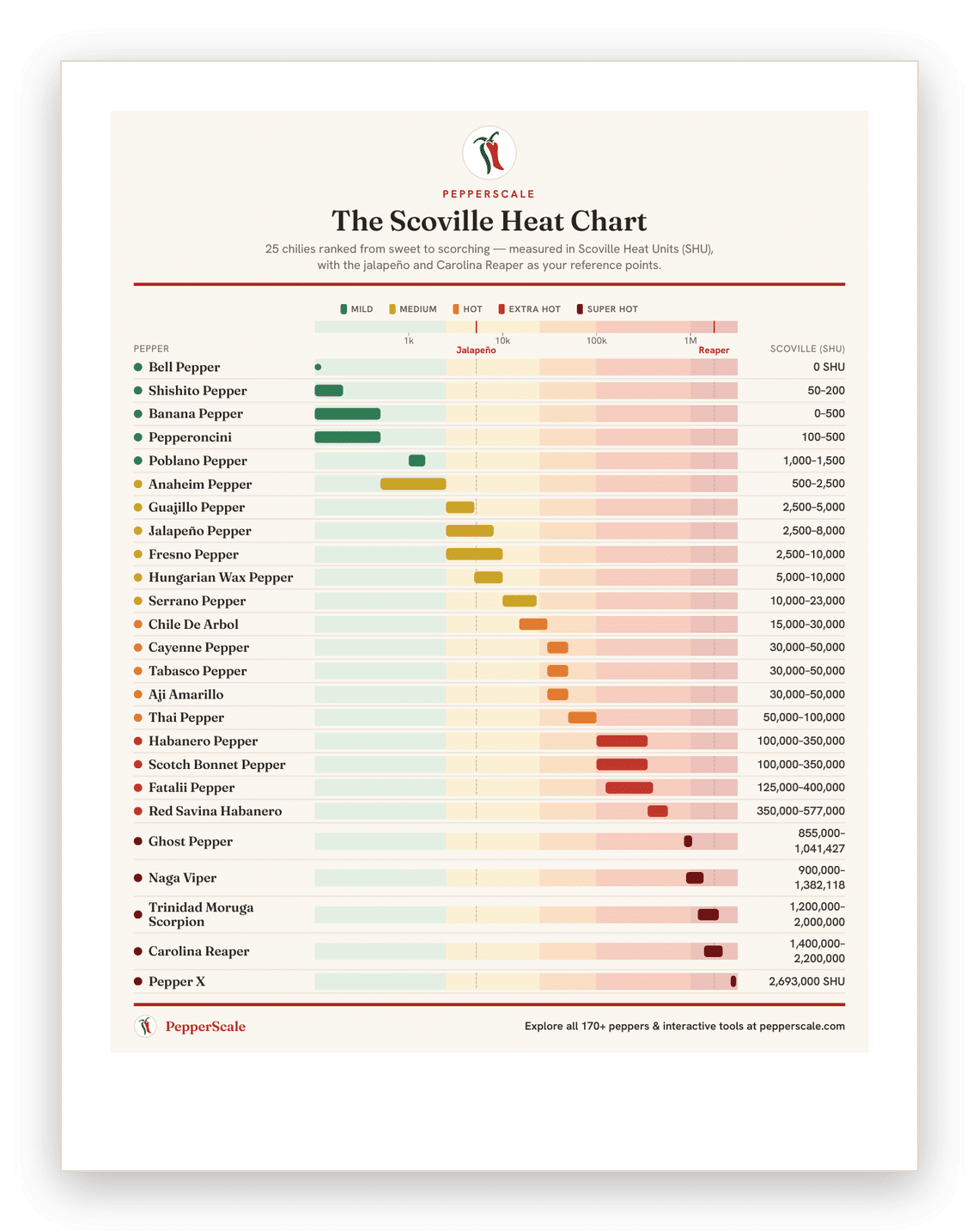
Get the free PepperScale Scoville Heat Chart
A printable, at-a-glance ranking of 25 chilies from sweet to scorching — with the jalapeño and Carolina Reaper as your reference points. Join the newsletter and we’ll send it straight to your inbox.
No spam — just Wicked Wednesday recipes and occasional extra dashes of chili pepper inspiration. Unsubscribe anytime.
Related reading
- Cayenne Pepper Vs. Paprika: Cayenne against the other red powder in the rack, which brings color and sweetness instead of fire.
- Chili Flakes Vs. Chili Powder: Flakes or powder? How the two differ in heat, texture and where each works best.
- Crushed Red Pepper Vs. Cayenne: Flakes against powder, and why they don’t behave the same in the pan.