Cajun seasoning is a blend of ground red pepper, paprika, black pepper, garlic and onion, usually with a little thyme and oregano and, in most store-bought jars, a lot of salt. It’s the blend behind blackened fish, Cajun fries and a good pot of jambalaya. Here’s where it comes from, what goes in it, how hot it gets, how much salt you’re shaking on, and how it differs from Creole seasoning.

Last update on 2026-10-26. We earn a commission if you make a purchase, at no additional cost to you.
What is Cajun seasoning?
Cajun seasoning, also sold as Cajun spice, is a dry blend for seasoning meat, seafood, rice and stews in the style of south Louisiana. There’s no one official recipe, and every brand and cook makes it a little differently, but nearly all of them build on the same core: red pepper for heat, black pepper for bite, garlic, and salt.
Store-bought blends keep it short. The label on Slap Ya Mama Original Cajun Seasoning reads salt, red pepper, black pepper and garlic, and that’s all. Homemade versions usually add paprika for color, onion powder, and dried herbs like thyme and oregano.
Where does Cajun seasoning come from?
The Cajuns descend from the Acadians, French settlers in what’s now eastern Canada. Between 1755 and 1764, the British deported thousands of them, and many eventually settled in south Louisiana, where “Acadian” became “Cajun.” Their cooking grew up in the countryside, and it’s distinct from the Creole cooking of New Orleans.
Cajun cooks traditionally seasoned each pot by hand, with cayenne, black pepper and the holy trinity of onion, celery and bell pepper, and not from a jar. So where did the jar come from? In 1972, Tony Chachere of Opelousas, Louisiana, published his Cajun Country Cookbook, and its seasoning recipe became Tony Chachere’s Original Creole Seasoning, which has been a Louisiana pantry staple since the 1970s. Yes, a Cajun-country cook named his blend “Creole,” which tells you how loosely the two words get used.
Then came Paul Prudhomme, who grew up on a farm near Opelousas and opened K-Paul’s Louisiana Kitchen in New Orleans in 1979. His blackened redfish caught on so fast in the 1980s that commercial fishing for redfish had to be restricted to protect the species. He also sold his own line of Magic Seasoning Blends, and between the two, Cajun seasoning went national.
What’s in Cajun seasoning?
Here’s what you’ll usually find, from the hot end down:
- Cayenne or red pepper: the main heat, and the ingredient that decides how hot your blend is. Cayenne runs 30,000 to 50,000 Scoville heat units.
- Paprika: mostly for color and a mild, sweet pepper flavor. In the U.S., plain paprika is usually mild, though, as we cover in is paprika spicy?, some kinds aren’t.
- Black pepper: a sharp, quick bite on top of the cayenne’s slower burn.
- Garlic and onion powder: the savory backbone, and what makes it taste like more than salt and pepper.
- Thyme and oregano: common in homemade blends and blackening blends, less so in the four-ingredient jars.
- Salt: often the first ingredient on store-bought blends, which means there’s more of it by weight than anything else.
Is Cajun seasoning hot?
It’s moderately hot, but less than you might expect. The cayenne in the blend is a medium-hot chili, about 30,000 to 50,000 on the Scoville scale, but it’s cut with paprika, garlic, herbs and salt, so a sprinkle gives you a warm kick. Brands vary a lot, and many sell a hotter version next to the original.
Black pepper adds its own kind of heat. Its bite comes from piperine, a different compound from the capsaicin in chilies, and it feels sharper and fades faster. A blend heavy on black pepper can taste hotter than its cayenne alone would suggest.
Is Cajun food supposed to be fiery? Traditional Cajun cooking leans toward a milder, well-balanced heat. Much of its blazing reputation comes from the “Cajun hot” craze of the 1980s and 1990s, when blackened everything swept the country.
How much salt is in Cajun seasoning?
More than most people realize. On jars where salt is the first ingredient, a quarter teaspoon can carry around 340 milligrams of sodium. Tony Chachere’s Original lists about that much, roughly 15 percent of the daily value, in a single quarter teaspoon. So if a recipe calls for both Cajun seasoning and salt, add the seasoning first and taste before you salt.
Want the flavor without the sodium? Make your own and you control the salt, or go without it entirely with our salt-free Cajun seasoning.
What’s the difference between Cajun and Creole seasoning?
The two overlap so much that brands use the names almost interchangeably. In general, though, Creole seasoning leans on herbs, with more thyme, oregano and sometimes basil or bay, and it tends to be milder. Cajun seasoning leans on pepper, with more cayenne and black pepper, and it’s usually the hotter of the two. Our guide to what Creole seasoning is goes into the history behind the difference.
Is Cajun seasoning the same as blackening seasoning?
Close, but they’re not quite the same thing. Blackening is a cooking method Paul Prudhomme invented in the 1970s, not a traditional Cajun technique. Fish or chicken gets dipped in melted butter, coated in a spice blend, and seared in a very hot cast-iron skillet until the butter and spices form a dark crust. Blackening blends usually carry more herbs than a basic Cajun seasoning, typically thyme and oregano along with the peppers, garlic and onion.
You can blacken with plain Cajun seasoning, too. Just expect a saltier, hotter crust, and turn on the vent fan first, because the method makes a lot of smoke.
How to use Cajun seasoning
If you’d season it with salt and pepper, you can season it with this. A few places it shines:
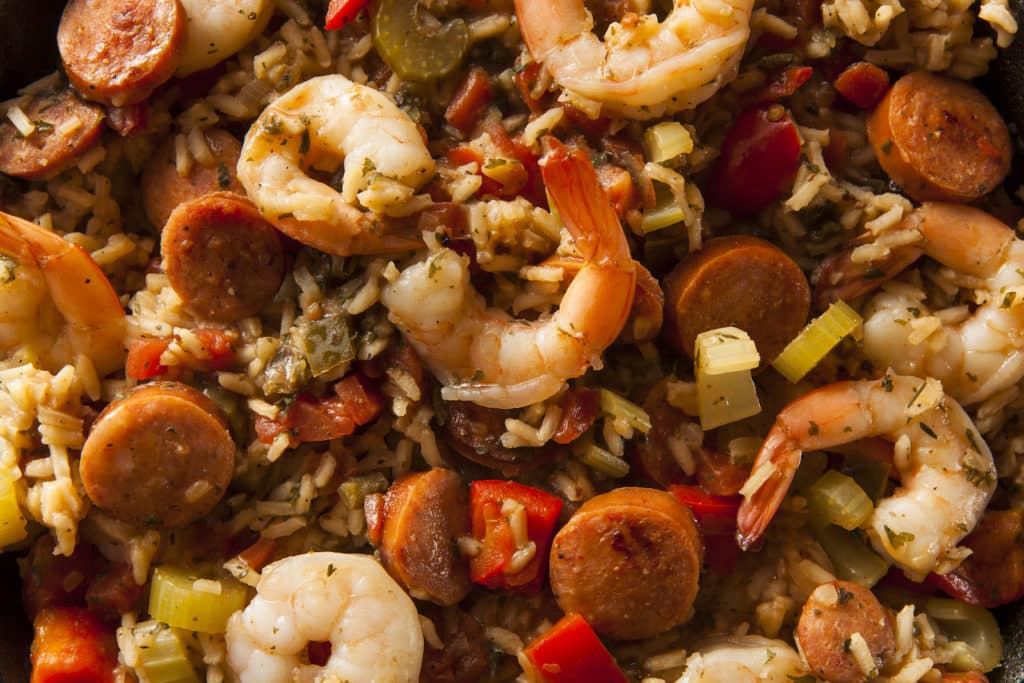
- Gumbo, jambalaya and red beans: stir it into the pot, as in our Louisiana seafood gumbo and spicy red beans and rice.
- Blackened fish and chicken: press it onto buttered fillets or cutlets before they hit a hot skillet.
- Shrimp and seafood: toss shrimp in it before grilling or sautéing.
- Fries, potatoes and popcorn: shake it on while they’re hot so it sticks.
- Dips and sauces: stir it into mayo, sour cream or ranch, like our Cajun ranch dipping sauce.
- Drinks: rim a glass with it, or stir it into a Cajun Bloody Mary.
One place it doesn’t belong: a crawfish boil. Boils use their own seafood boil seasoning, like Zatarain’s, made to flavor a huge pot of water.
Can you make Cajun seasoning at home?
Yes, and it takes about five minutes. Our Cajun seasoning recipe mixes a tablespoon each of paprika and garlic powder with a teaspoon each of cayenne, oregano, thyme, coarse salt, black pepper and onion powder. That’s a lot less salt than most jars, and you can double the cayenne for more heat or swap some of it for paprika to tame it.
Get the free PepperScale Scoville Heat Chart
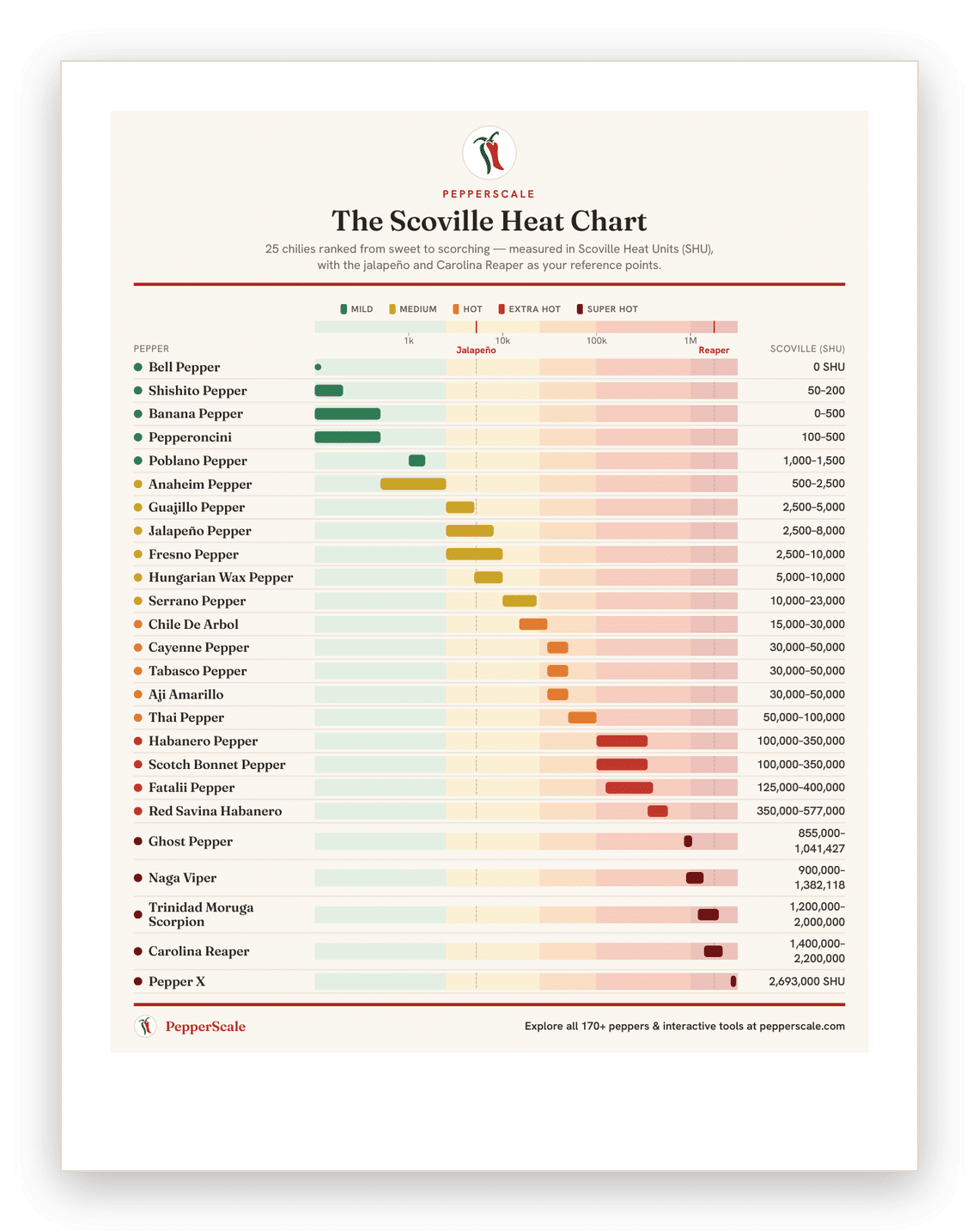
A printable, at-a-glance ranking of 25 chilies from sweet to scorching — with the jalapeño and Carolina Reaper as your reference points. Join the newsletter and we’ll send it straight to your inbox.
No spam — just Wicked Wednesday recipes and occasional extra dashes of chili pepper inspiration. Unsubscribe anytime.
Related Reading
- Old Bay Vs. Cajun Seasoning: How Do They Compare?: Two regional American blends with very different jobs.
- What Is The Cajun Holy Trinity?: The onion, celery and bell pepper base under most Cajun cooking.
- What’s A Good Substitute For Cajun Seasoning?: What to grab when the jar is empty.