If you’re aiming for authentic Ethiopian cuisine, getting to know berbere spice mix is a critical first step. It’s a blend that’s used for everything from a steak and chicken rub to a finishing season for vegetables and dips. The heat is mild, and it comes from chili powder (a spice mix itself) and paprika. This berbere spice mix recipe is quick to make, using pre-ground spices, many of which are common to a well-stocked spice rack.
🌶️ Quick recipe snapshot
| Flavor profile | Earthy chili powder and paprika up front, with warm cardamom, fenugreek, ginger and coriander, and a little cinnamon, allspice, nutmeg and clove. |
| Primary heat source | 1/2 cup of chili powder. Its heat depends on the brand you buy. |
| Heat level | Mild. Traditional berbere usually runs hotter, and the adaptation ideas below show how to turn it up. |
| Texture | A fine, brick-red powder. |
| Best uses | Ethiopian stews like doro wat and misir wat, rubs for chicken and steak, roasted vegetables and dips. |
| Customization ideas | Cayenne for heat, pure ground chilies, toasted whole spices, a little salt or smoked paprika. |
| Before you start | About 5 minutes. Makes about 13 tablespoons, a little over 3/4 cup. |
Flavor notes
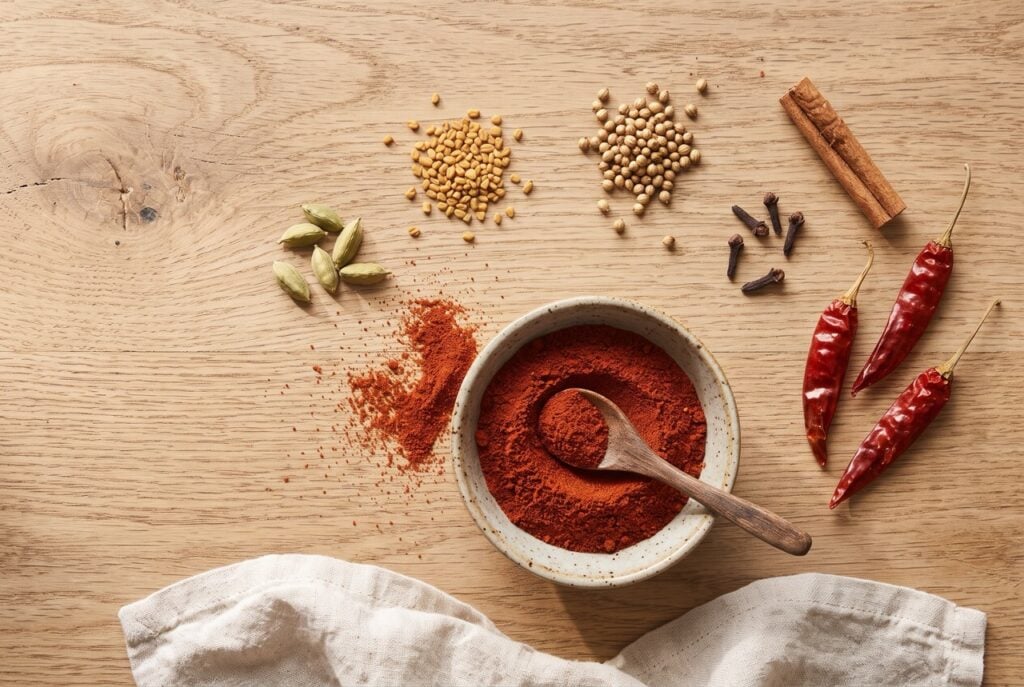
Berbere is the spice blend at the heart of Ethiopian and Eritrean cooking, and it’s what gives a stew like doro wat its deep red color. There’s no one recipe for berbere, and blends change from cook to cook. But chili peppers are the base, with fenugreek, ginger, coriander and warm spices like cardamom, cinnamon and cloves around them. Our guide to berbere covers its story.
This version keeps that shape and leans on the pantry. Chili powder and paprika make up about nine-tenths of the mix, and the other ten spices add up to a little over a tablespoon. So the chili carries the blend, and the rest season it.
That’s also why it’s mild. American chili powder is itself a blend, usually ground chilies with cumin, garlic powder and onion, and its heat depends on the chilies in the brand. Regular paprika adds color and sweetness and barely any heat. And traditional berbere usually runs hotter, so if you’ve had it in an Ethiopian restaurant, expect this one to be gentler.
Fenugreek is the spice to watch: it has a maple-syrup sweetness with a bitter edge, and a little goes a long way, so there’s only half a teaspoon in the mix. Traditional blends often include korarima, sometimes called Ethiopian cardamom, and regular cardamom takes its place here.
Adaptation ideas
Most of these turn up the heat or move the blend closer to traditional berbere.
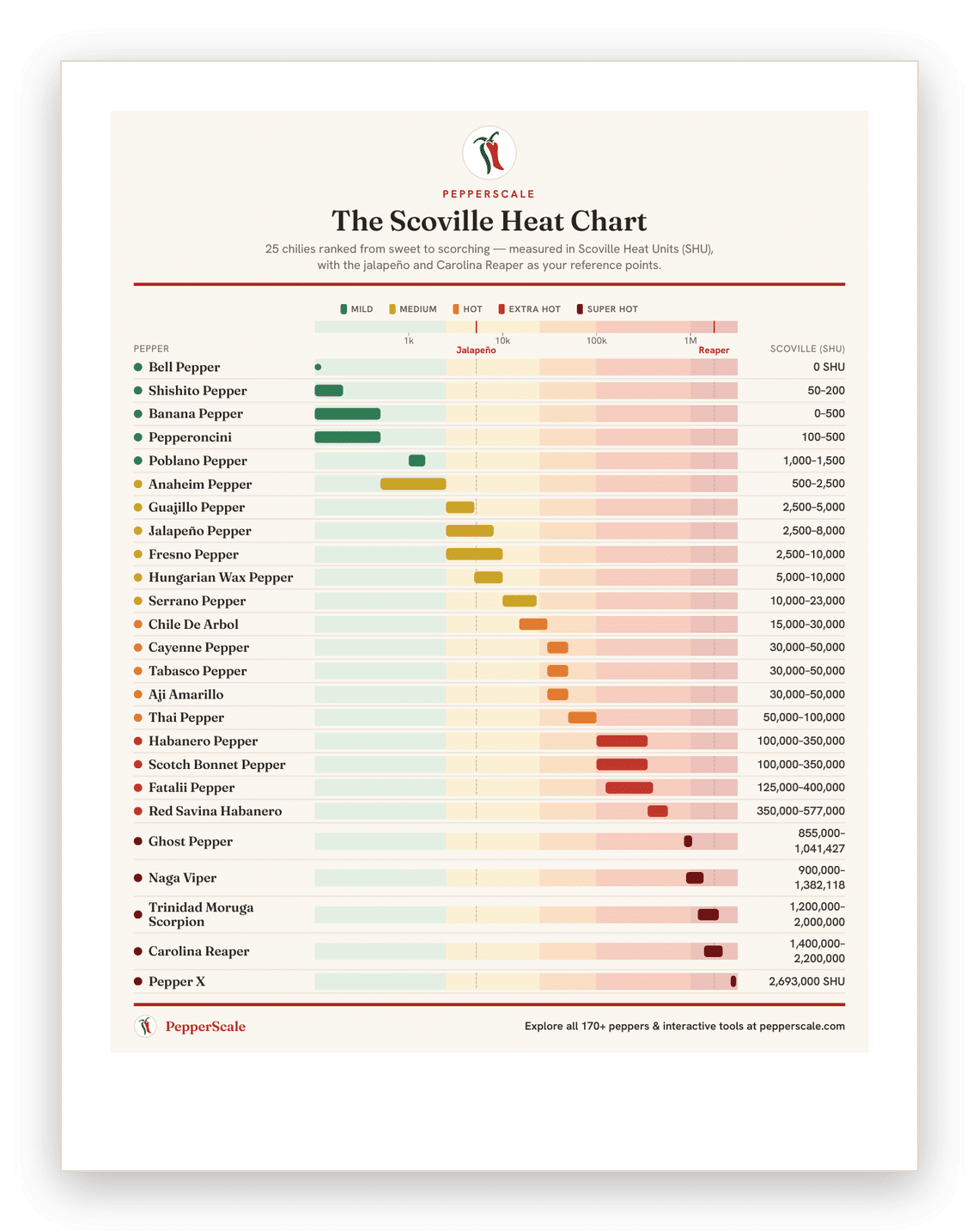
- Want it hotter? Add 1 teaspoon of cayenne, which runs 30,000 to 50,000 Scoville heat units, then taste and add another if you want more.
- Want it closer to traditional berbere? Swap some of the chili powder for pure ground red chili, with no cumin or garlic in it. Add 1/2 teaspoon of garlic powder to make up for what the chili powder brought.
- Want a deeper flavor? Start with coriander seed, fenugreek seed, cardamom pods, cloves, allspice berries and black peppercorns in place of the ground versions. Toast them in a dry skillet until fragrant, let them cool, then grind them in a spice grinder or with a mortar and pestle.
- Want a ready-to-use rub? Add 1 to 2 teaspoons of salt. Check your chili powder’s label first, since some brands already include it.
- Want it smoky? Use smoked paprika in place of the regular paprika.
Serving ideas
Use it anywhere you’d use store-bought berbere, starting with a little less than you think and adding more to taste.
- In stews: Doro wat, the chicken stew, and misir wat, a lentil stew, both build on berbere.
- As a rub: Pressed onto chicken or steak with a little oil before it hits the grill or the pan.
- On roasted vegetables: Tossed with carrots, cauliflower or sweet potatoes, oil and salt before they go in the oven.
- As a paste: Mixed with a little oil, water or vinegar, for brushing onto meat or stirring into sauces.
- In dips: Stirred into yogurt or hummus for color and a warm, mild kick.
- In burgers and meatloaf: Mixed into the ground meat before you shape it.
Storage notes
Keep it in a small airtight jar in a cool, dark cupboard, away from the heat and steam of the stove. Ground spices won’t spoil, but they lose their aroma over time, and our guide to whether chili powder goes bad covers what to look for.
Before you use an older jar, rub a pinch between your fingers and smell it. If it’s faint or dusty, the flavor’s fading, and it’s time to mix a fresh batch.
Like this recipe? You’ll love these too:
- Mitmita Lamb Chops With Spicy Fasolia: Lamb chops in a marinade of mitmita, berbere’s hotter, simpler cousin.
- Baharat Spice Blend: A warm Middle Eastern blend for rubbing onto chicken, beef or lamb.
- Tandoori Masala Spice Mix: Paprika, fenugreek and warm spices, built for a yogurt marinade.

A globe-spanning collection of 100 bold, fiery recipes — soups, fiery mains, curries, handhelds, snacks, sauces, even brunch — drawn from over a decade of PepperScale favorites.
Wicked Wednesday subscribers save 15% — join free.
Berbere Spice Mix
Ingredients
- 1/2 cup chili powder
- 1/4 cup paprika
- 1/2 teaspoon ground ginger
- 1/2 teaspoon ground cardamom
- 1/2 teaspoon ground turmeric
- 1/2 teaspoon ground coriander
- 1/2 teaspoon ground fenugreek
- 1/4 teaspoon ground cinnamon
- 1/4 teaspoon ground nutmeg
- 1/4 teaspoon ground allspice
- 1/8 teaspoon ground cloves
- 1/8 teaspoon black pepper
Instructions
- In a mixing bowl, combine all ingredient. Store in an airtight jar or container.